Denying congressional consent for President Donald J. Trump to accept any present, Emolument, Office, or Title, of any kind whatever, from any King, Prince, or foreign state throughout the tenure of his Presidency.
USA115th CongressHJRES-26| House
| Updated: 1/13/2017
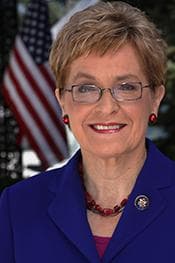
Marcy Kaptur
Democratic Representative
Ohio
Cosponsors (39)
Tim Ryan (Democratic)John Garamendi (Democratic)Barbara Lee (Democratic)Raúl M. Grijalva (Democratic)Mark Pocan (Democratic)Lisa Blunt Rochester (Democratic)David N. Cicilline (Democratic)Jackie Speier (Democratic)Darren Soto (Democratic)Sheila Jackson Lee (Democratic)Joe Courtney (Democratic)Carol Shea-Porter (Democratic)Katherine M. Clark (Democratic)Steve Cohen (Democratic)Scott H. Peters (Democratic)Paul Tonko (Democratic)Rosa L. DeLauro (Democratic)André Carson (Democratic)John B. Larson (Democratic)Mark DeSaulnier (Democratic)Keith Ellison (Democratic)John Conyers (Democratic)Marcia L. Fudge (Democratic)Jerrold Nadler (Democratic)Mark Takano (Democratic)Pramila Jayapal (Democratic)Kathy Castor (Democratic)James P. McGovern (Democratic)Eddie Bernice Johnson (Democratic)Peter Welch (Democratic)Bennie G. Thompson (Democratic)Earl Blumenauer (Democratic)Linda T. Sánchez (Democratic)Cheri Bustos (Democratic)Alcee L. Hastings (Democratic)Lloyd Doggett (Democratic)Gerald E. Connolly (Democratic)Chellie Pingree (Democratic)Colleen Hanabusa (Democratic)
Oversight and Government Reform Committee
- Introduced
- In Committee
- On Floor
- Passed Chamber
- Enacted
No Congressional Consent for President Donald J. Trump To Accept Foreign Emoluments of Any Kind Whatsoever This joint resolution declares that: the President, as holder of a federal office, is subject to the strict scrutiny of the Emoluments Clause of the Constitution; as a holder of office of profit or trust, the President shall not accept any present, emolument, office, or title of any kind whatever from any king, prince, or foreign state, without the consent of Congress; historic meaning and precedent provides that what qualifies as an emolument is given broad construction, further broadened by the inclusion "of any kind whatever," leaving Congress with the power to consent or deny consent to a full spectrum of transactions; and emoluments reach not only foreign states, but also their agents and instrumentalities, and precedent has determined that corporations owned or controlled by a foreign government are presumptively foreign states. The joint resolution: (1) declares that the Emoluments Clause denies congressional consent to allow President Trump to accept any present, emolument, office, or title of any kind whatever from any king, prince, or foreign state; and (2) requires President Trump to report to Congress on matters relevant to this resolution, including a detailed account of actions taken to ensure compliance with the Emoluments Clause.
View Full TextSuggested Questions
Get AI-generated questions to help you understand this bill better
Timeline
Introduced in House
Referred to the House Committee on Oversight and Government Reform.
Sponsor introductory remarks on measure. (CR E68)
Government Operations and Politics
Business ethicsCongressional oversightConstitution and constitutional amendmentsCorporate finance and managementGovernment ethics and transparency, public corruptionPresidents and presidential powers, Vice PresidentsTrade restrictionsU.S. and foreign investments
Denying congressional consent for President Donald J. Trump to accept any present, Emolument, Office, or Title, of any kind whatever, from any King, Prince, or foreign state throughout the tenure of his Presidency.
USA115th CongressHJRES-26| House
| Updated: 1/13/2017
No Congressional Consent for President Donald J. Trump To Accept Foreign Emoluments of Any Kind Whatsoever This joint resolution declares that: the President, as holder of a federal office, is subject to the strict scrutiny of the Emoluments Clause of the Constitution; as a holder of office of profit or trust, the President shall not accept any present, emolument, office, or title of any kind whatever from any king, prince, or foreign state, without the consent of Congress; historic meaning and precedent provides that what qualifies as an emolument is given broad construction, further broadened by the inclusion "of any kind whatever," leaving Congress with the power to consent or deny consent to a full spectrum of transactions; and emoluments reach not only foreign states, but also their agents and instrumentalities, and precedent has determined that corporations owned or controlled by a foreign government are presumptively foreign states. The joint resolution: (1) declares that the Emoluments Clause denies congressional consent to allow President Trump to accept any present, emolument, office, or title of any kind whatever from any king, prince, or foreign state; and (2) requires President Trump to report to Congress on matters relevant to this resolution, including a detailed account of actions taken to ensure compliance with the Emoluments Clause.
View Full TextSuggested Questions
Get AI-generated questions to help you understand this bill better
Timeline
Introduced in House
Referred to the House Committee on Oversight and Government Reform.
Sponsor introductory remarks on measure. (CR E68)
Marcy Kaptur
Democratic Representative
Ohio
Cosponsors (39)
Tim Ryan (Democratic)John Garamendi (Democratic)Barbara Lee (Democratic)Raúl M. Grijalva (Democratic)Mark Pocan (Democratic)Lisa Blunt Rochester (Democratic)David N. Cicilline (Democratic)Jackie Speier (Democratic)Darren Soto (Democratic)Sheila Jackson Lee (Democratic)Joe Courtney (Democratic)Carol Shea-Porter (Democratic)Katherine M. Clark (Democratic)Steve Cohen (Democratic)Scott H. Peters (Democratic)Paul Tonko (Democratic)Rosa L. DeLauro (Democratic)André Carson (Democratic)John B. Larson (Democratic)Mark DeSaulnier (Democratic)Keith Ellison (Democratic)John Conyers (Democratic)Marcia L. Fudge (Democratic)Jerrold Nadler (Democratic)Mark Takano (Democratic)Pramila Jayapal (Democratic)Kathy Castor (Democratic)James P. McGovern (Democratic)Eddie Bernice Johnson (Democratic)Peter Welch (Democratic)Bennie G. Thompson (Democratic)Earl Blumenauer (Democratic)Linda T. Sánchez (Democratic)Cheri Bustos (Democratic)Alcee L. Hastings (Democratic)Lloyd Doggett (Democratic)Gerald E. Connolly (Democratic)Chellie Pingree (Democratic)Colleen Hanabusa (Democratic)
Oversight and Government Reform Committee
Government Operations and Politics
- Introduced
- In Committee
- On Floor
- Passed Chamber
- Enacted
Business ethicsCongressional oversightConstitution and constitutional amendmentsCorporate finance and managementGovernment ethics and transparency, public corruptionPresidents and presidential powers, Vice PresidentsTrade restrictionsU.S. and foreign investments