To amend the Food and Nutrition Act of 2008 to require that supplemental nutrition assistance program benefits be calculated with reference to the cost of the low-cost food plan as determined by the Secretary of Agriculture, and for other purposes.
USA115th CongressHR-1276| House
| Updated: 3/23/2017
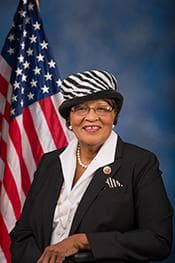
Alma S. Adams
Democratic Representative
North Carolina
Cosponsors (117)
Dwight Evans (Democratic)Al Lawson (Democratic)Stacey E. Plaskett (Democratic)Donald Norcross (Democratic)Marcy Kaptur (Democratic)Tom O'Halleran (Democratic)John Garamendi (Democratic)Richard M. Nolan (Democratic)Ruben Gallego (Democratic)Jared Huffman (Democratic)Marc A. Veasey (Democratic)Adam B. Schiff (Democratic)Barbara Lee (Democratic)Joseph P. Kennedy (Democratic)Raúl M. Grijalva (Democratic)Mark Pocan (Democratic)Karen Bass (Democratic)James R. Langevin (Democratic)David N. Cicilline (Democratic)Jackie Speier (Democratic)Kathleen M. Rice (Democratic)Sheila Jackson Lee (Democratic)Derek Kilmer (Democratic)Carolyn B. Maloney (Democratic)Sanford D. Bishop (Democratic)C. A. Dutch Ruppersberger (Democratic)Pete Aguilar (Democratic)Juan Vargas (Democratic)Bobby L. Rush (Democratic)Carol Shea-Porter (Democratic)J. Luis Correa (Democratic)Eric Swalwell (Democratic)Michael F. Doyle (Democratic)Niki Tsongas (Democratic)Katherine M. Clark (Democratic)Steve Cohen (Democratic)Tony Cárdenas (Democratic)Susan A. Davis (Democratic)Suzan K. DelBene (Democratic)Scott H. Peters (Democratic)Paul Tonko (Democratic)John P. Sarbanes (Democratic)Rosa L. DeLauro (Democratic)Michael E. Capuano (Democratic)Anthony G. Brown (Democratic)Adriano Espaillat (Democratic)Lucille Roybal-Allard (Democratic)Vicente Gonzalez (Democratic)Ted Lieu (Democratic)Michelle Lujan Grisham (Democratic)Ro Khanna (Democratic)A. Donald McEachin (Democratic)Elizabeth H. Esty (Democratic)Alan S. Lowenthal (Democratic)Sean Patrick Maloney (Democratic)André Carson (Democratic)Joaquin Castro (Democratic)Stephen F. Lynch (Democratic)Mark DeSaulnier (Democratic)Keith Ellison (Democratic)G. K. Butterfield (Democratic)John Conyers (Democratic)Doris O. Matsui (Democratic)Gene Green (Democratic)Gregory W. Meeks (Democratic)David E. Price (Democratic)Hakeem S. Jeffries (Democratic)Marcia L. Fudge (Democratic)Jerrold Nadler (Democratic)Theodore E. Deutch (Democratic)John Lewis (Democratic)Anna G. Eshoo (Democratic)Mark Takano (Democratic)Luis V. Gutierrez (Democratic)Pramila Jayapal (Democratic)Eleanor Holmes Norton (Democratic)Brad Sherman (Democratic)Bonnie Watson Coleman (Democratic)Denny Heck (Democratic)Richard E. Neal (Democratic)Norma J. Torres (Democratic)Salud O. Carbajal (Democratic)Jamie Raskin (Democratic)Elijah E. Cummings (Democratic)Diana DeGette (Democratic)Janice D. Schakowsky (Democratic)James P. McGovern (Democratic)Maxine Waters (Democratic)Adam Smith (Democratic)Nydia M. Velázquez (Democratic)Julia Brownley (Democratic)William R. Keating (Democratic)Eddie Bernice Johnson (Democratic)Yvette D. Clarke (Democratic)Rick Larsen (Democratic)Jose E. Serrano (Democratic)Peter Welch (Democratic)Cedric L. Richmond (Democratic)Earl Blumenauer (Democratic)Charlie Crist (Democratic)Robert A. Brady (Democratic)Seth Moulton (Democratic)Mike Thompson (Democratic)Linda T. Sánchez (Democratic)Zoe Lofgren (Democratic)Nanette Diaz Barragán (Democratic)Frank Pallone (Democratic)Gwen Moore (Democratic)John K. Delaney (Democratic)Jimmy Gomez (Democratic)Grace Meng (Democratic)Alcee L. Hastings (Democratic)Gerald E. Connolly (Democratic)Chellie Pingree (Democratic)Colleen Hanabusa (Democratic)Grace F. Napolitano (Democratic)Judy Chu (Democratic)
Agriculture Committee, Nutrition and Foreign Agriculture Subcommittee
- Introduced
- In Committee
- On Floor
- Passed Chamber
- Enacted
Closing the Meal Gap Act of 2017 This bill amends the Food and Nutrition Act of 2008 to revise the requirements for calculating Supplemental Nutrition Assistance Program (SNAP, formerly known as the food stamp program) benefits. The bill increases the minimum SNAP benefit and requires benefits to be calculated using a low-cost food plan. The Department of Agriculture (USDA) must determine the requirements for the low-cost food plan, which is the diet required to feed a family of four, consisting of: a man and a woman 19-50 years of age, a child 6-8 years of age, and a child 9-11 years of age. USDA must make adjustments to the plan to account for household size, changes in the cost of the diet, and the costs of food in specified areas. The bill revises the amounts authorized for nutrition assistance block grants for Puerto Rico and American Samoa and requires the amounts to be modified based on adjustments to the low-cost food plan. The bill modifies the requirements for calculating household income to determine SNAP eligibility by: (1) authorizing a standard medical expense deduction for households containing an elderly or disabled member, and (2) eliminating the cap on the deduction for excess shelter expenses. The bill exempts from SNAP work requirements able-bodied adults without dependents who are not offered a position in a SNAP Employment and Training Program.
View Full TextSuggested Questions
Get AI-generated questions to help you understand this bill better
Timeline
Introduced in House
Referred to the House Committee on Agriculture.
Referred to the Subcommittee on Nutrition.
Agriculture and Food
AlaskaAmerican SamoaCaribbean areaEmployment and training programsFood assistance and reliefGuamHawaiiNutrition and dietPoverty and welfare assistancePuerto RicoU.S. territories and protectoratesVirgin Islands
To amend the Food and Nutrition Act of 2008 to require that supplemental nutrition assistance program benefits be calculated with reference to the cost of the low-cost food plan as determined by the Secretary of Agriculture, and for other purposes.
USA115th CongressHR-1276| House
| Updated: 3/23/2017
Closing the Meal Gap Act of 2017 This bill amends the Food and Nutrition Act of 2008 to revise the requirements for calculating Supplemental Nutrition Assistance Program (SNAP, formerly known as the food stamp program) benefits. The bill increases the minimum SNAP benefit and requires benefits to be calculated using a low-cost food plan. The Department of Agriculture (USDA) must determine the requirements for the low-cost food plan, which is the diet required to feed a family of four, consisting of: a man and a woman 19-50 years of age, a child 6-8 years of age, and a child 9-11 years of age. USDA must make adjustments to the plan to account for household size, changes in the cost of the diet, and the costs of food in specified areas. The bill revises the amounts authorized for nutrition assistance block grants for Puerto Rico and American Samoa and requires the amounts to be modified based on adjustments to the low-cost food plan. The bill modifies the requirements for calculating household income to determine SNAP eligibility by: (1) authorizing a standard medical expense deduction for households containing an elderly or disabled member, and (2) eliminating the cap on the deduction for excess shelter expenses. The bill exempts from SNAP work requirements able-bodied adults without dependents who are not offered a position in a SNAP Employment and Training Program.
View Full TextSuggested Questions
Get AI-generated questions to help you understand this bill better
Timeline
Introduced in House
Referred to the House Committee on Agriculture.
Referred to the Subcommittee on Nutrition.
Alma S. Adams
Democratic Representative
North Carolina
Cosponsors (117)
Dwight Evans (Democratic)Al Lawson (Democratic)Stacey E. Plaskett (Democratic)Donald Norcross (Democratic)Marcy Kaptur (Democratic)Tom O'Halleran (Democratic)John Garamendi (Democratic)Richard M. Nolan (Democratic)Ruben Gallego (Democratic)Jared Huffman (Democratic)Marc A. Veasey (Democratic)Adam B. Schiff (Democratic)Barbara Lee (Democratic)Joseph P. Kennedy (Democratic)Raúl M. Grijalva (Democratic)Mark Pocan (Democratic)Karen Bass (Democratic)James R. Langevin (Democratic)David N. Cicilline (Democratic)Jackie Speier (Democratic)Kathleen M. Rice (Democratic)Sheila Jackson Lee (Democratic)Derek Kilmer (Democratic)Carolyn B. Maloney (Democratic)Sanford D. Bishop (Democratic)C. A. Dutch Ruppersberger (Democratic)Pete Aguilar (Democratic)Juan Vargas (Democratic)Bobby L. Rush (Democratic)Carol Shea-Porter (Democratic)J. Luis Correa (Democratic)Eric Swalwell (Democratic)Michael F. Doyle (Democratic)Niki Tsongas (Democratic)Katherine M. Clark (Democratic)Steve Cohen (Democratic)Tony Cárdenas (Democratic)Susan A. Davis (Democratic)Suzan K. DelBene (Democratic)Scott H. Peters (Democratic)Paul Tonko (Democratic)John P. Sarbanes (Democratic)Rosa L. DeLauro (Democratic)Michael E. Capuano (Democratic)Anthony G. Brown (Democratic)Adriano Espaillat (Democratic)Lucille Roybal-Allard (Democratic)Vicente Gonzalez (Democratic)Ted Lieu (Democratic)Michelle Lujan Grisham (Democratic)Ro Khanna (Democratic)A. Donald McEachin (Democratic)Elizabeth H. Esty (Democratic)Alan S. Lowenthal (Democratic)Sean Patrick Maloney (Democratic)André Carson (Democratic)Joaquin Castro (Democratic)Stephen F. Lynch (Democratic)Mark DeSaulnier (Democratic)Keith Ellison (Democratic)G. K. Butterfield (Democratic)John Conyers (Democratic)Doris O. Matsui (Democratic)Gene Green (Democratic)Gregory W. Meeks (Democratic)David E. Price (Democratic)Hakeem S. Jeffries (Democratic)Marcia L. Fudge (Democratic)Jerrold Nadler (Democratic)Theodore E. Deutch (Democratic)John Lewis (Democratic)Anna G. Eshoo (Democratic)Mark Takano (Democratic)Luis V. Gutierrez (Democratic)Pramila Jayapal (Democratic)Eleanor Holmes Norton (Democratic)Brad Sherman (Democratic)Bonnie Watson Coleman (Democratic)Denny Heck (Democratic)Richard E. Neal (Democratic)Norma J. Torres (Democratic)Salud O. Carbajal (Democratic)Jamie Raskin (Democratic)Elijah E. Cummings (Democratic)Diana DeGette (Democratic)Janice D. Schakowsky (Democratic)James P. McGovern (Democratic)Maxine Waters (Democratic)Adam Smith (Democratic)Nydia M. Velázquez (Democratic)Julia Brownley (Democratic)William R. Keating (Democratic)Eddie Bernice Johnson (Democratic)Yvette D. Clarke (Democratic)Rick Larsen (Democratic)Jose E. Serrano (Democratic)Peter Welch (Democratic)Cedric L. Richmond (Democratic)Earl Blumenauer (Democratic)Charlie Crist (Democratic)Robert A. Brady (Democratic)Seth Moulton (Democratic)Mike Thompson (Democratic)Linda T. Sánchez (Democratic)Zoe Lofgren (Democratic)Nanette Diaz Barragán (Democratic)Frank Pallone (Democratic)Gwen Moore (Democratic)John K. Delaney (Democratic)Jimmy Gomez (Democratic)Grace Meng (Democratic)Alcee L. Hastings (Democratic)Gerald E. Connolly (Democratic)Chellie Pingree (Democratic)Colleen Hanabusa (Democratic)Grace F. Napolitano (Democratic)Judy Chu (Democratic)
Agriculture Committee, Nutrition and Foreign Agriculture Subcommittee
Agriculture and Food
- Introduced
- In Committee
- On Floor
- Passed Chamber
- Enacted
AlaskaAmerican SamoaCaribbean areaEmployment and training programsFood assistance and reliefGuamHawaiiNutrition and dietPoverty and welfare assistancePuerto RicoU.S. territories and protectoratesVirgin Islands