To expand the workforce of veterinarians specialized in the care and conservation of wild animals and their ecosystems, and to develop educational programs focused on wildlife and zoological veterinary medicine.
USA115th CongressHR-159| House
| Updated: 2/10/2017
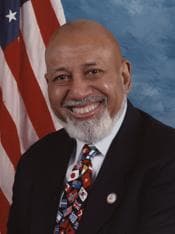
Alcee L. Hastings
Democratic Representative
Florida
Cosponsors (16)
Val Butler Demings (Democratic)Marcy Kaptur (Democratic)Raúl M. Grijalva (Democratic)David N. Cicilline (Democratic)Frederica S. Wilson (Democratic)Carol Shea-Porter (Democratic)Steve Cohen (Democratic)Kurt Schrader (Democratic)Filemon Vela (Democratic)Eleanor Holmes Norton (Democratic)Jamie Raskin (Democratic)Nydia M. Velázquez (Democratic)Jose E. Serrano (Democratic)Jared Polis (Democratic)Bennie G. Thompson (Democratic)Debbie Wasserman Schultz (Democratic)
Federal Lands Subcommittee, Livestock, Dairy, and Poultry Subcommittee, Agriculture Committee, Water, Wildlife and Fisheries Subcommittee, Natural Resources Committee
- Introduced
- In Committee
- On Floor
- Passed Chamber
- Enacted
Wildlife Veterinarians Employment and Training Act or the Wildlife VET Act This bill authorizes the Department of the Interior to award grants to wildlife or veterinary institutions to create additional clinical and research positions for wildlife and zoological veterinarians. Preference must be given to institutions that will create positions in areas of need, including wildlife disease research and training, disease surveillance, ecology and wildlife population management, and conservation and management of the health of endangered, threatened, and sensitive species. Interior must establish: (1) the Wildlife and Zoological Veterinary Workforce Loan Repayment Program to pay educational loans of eligible individuals for a doctoral degree in veterinary medicine or a graduate degree in veterinary medicine, and (2) the Wildlife and Zoological Veterinary Workforce Scholarship Program to award students enrolled in an accredited school or college of veterinary medicine scholarships. Those loans may be repaid and the awards may be given only if the recipient of the loan or the award agrees to serve for at least four consecutive years at a wildlife or veterinary institution as a wildlife or zoological veterinarian. Interior must also: (1) establish a pilot program to award grants to accredited schools and colleges of veterinary medicine to develop or improve new or existing curricula that specialize in wildlife or zoological veterinary medicine, and (2) award grants to eligible wildlife or veterinary institutions to establish or expand training programs that will enhance the ability of a trainee to practice as a wildlife or zoological veterinarian.
View Full TextSuggested Questions
Get AI-generated questions to help you understand this bill better
Timeline
Introduced in House
Referred to the Committee on Agriculture, and in addition to the Committee on Natural Resources, for a period to be subsequently determined by the Speaker, in each case for consideration of such provisions as fall within the jurisdiction of the committee concerned.
Referred to the Subcommittee on Livestock and Foreign Agriculture.
Referred to the Subcommittee on Water, Power and Oceans.
Referred to the Subcommittee on Federal Lands.
Animals
Animal and plant healthEducation programs fundingEndangered and threatened speciesHealth personnelMedical educationMedical researchStudent aid and college costsVeterinary medicine and animal diseasesWildlife conservation and habitat protection
To expand the workforce of veterinarians specialized in the care and conservation of wild animals and their ecosystems, and to develop educational programs focused on wildlife and zoological veterinary medicine.
USA115th CongressHR-159| House
| Updated: 2/10/2017
Wildlife Veterinarians Employment and Training Act or the Wildlife VET Act This bill authorizes the Department of the Interior to award grants to wildlife or veterinary institutions to create additional clinical and research positions for wildlife and zoological veterinarians. Preference must be given to institutions that will create positions in areas of need, including wildlife disease research and training, disease surveillance, ecology and wildlife population management, and conservation and management of the health of endangered, threatened, and sensitive species. Interior must establish: (1) the Wildlife and Zoological Veterinary Workforce Loan Repayment Program to pay educational loans of eligible individuals for a doctoral degree in veterinary medicine or a graduate degree in veterinary medicine, and (2) the Wildlife and Zoological Veterinary Workforce Scholarship Program to award students enrolled in an accredited school or college of veterinary medicine scholarships. Those loans may be repaid and the awards may be given only if the recipient of the loan or the award agrees to serve for at least four consecutive years at a wildlife or veterinary institution as a wildlife or zoological veterinarian. Interior must also: (1) establish a pilot program to award grants to accredited schools and colleges of veterinary medicine to develop or improve new or existing curricula that specialize in wildlife or zoological veterinary medicine, and (2) award grants to eligible wildlife or veterinary institutions to establish or expand training programs that will enhance the ability of a trainee to practice as a wildlife or zoological veterinarian.
View Full TextSuggested Questions
Get AI-generated questions to help you understand this bill better
Timeline
Introduced in House
Referred to the Committee on Agriculture, and in addition to the Committee on Natural Resources, for a period to be subsequently determined by the Speaker, in each case for consideration of such provisions as fall within the jurisdiction of the committee concerned.
Referred to the Subcommittee on Livestock and Foreign Agriculture.
Referred to the Subcommittee on Water, Power and Oceans.
Referred to the Subcommittee on Federal Lands.
Alcee L. Hastings
Democratic Representative
Florida
Cosponsors (16)
Val Butler Demings (Democratic)Marcy Kaptur (Democratic)Raúl M. Grijalva (Democratic)David N. Cicilline (Democratic)Frederica S. Wilson (Democratic)Carol Shea-Porter (Democratic)Steve Cohen (Democratic)Kurt Schrader (Democratic)Filemon Vela (Democratic)Eleanor Holmes Norton (Democratic)Jamie Raskin (Democratic)Nydia M. Velázquez (Democratic)Jose E. Serrano (Democratic)Jared Polis (Democratic)Bennie G. Thompson (Democratic)Debbie Wasserman Schultz (Democratic)
Federal Lands Subcommittee, Livestock, Dairy, and Poultry Subcommittee, Agriculture Committee, Water, Wildlife and Fisheries Subcommittee, Natural Resources Committee
Animals
- Introduced
- In Committee
- On Floor
- Passed Chamber
- Enacted
Animal and plant healthEducation programs fundingEndangered and threatened speciesHealth personnelMedical educationMedical researchStudent aid and college costsVeterinary medicine and animal diseasesWildlife conservation and habitat protection