To provide that the salaries of Members of a House of Congress will be held in escrow if that House has not agreed to a concurrent resolution on the budget for fiscal year 2018 by April 15, 2017, to eliminate automatic pay adjustments for Members of Congress, to prohibit the use of funds provided for the official travel expenses of Members of Congress and other officers and employees of the legislative branch for first-class airline accommodations, and to amend title 18, United States Code, to establish a uniform 5-year post-employment ban on lobbying by former Members of Congress.
USA115th CongressHR-1951| House
| Updated: 4/26/2017
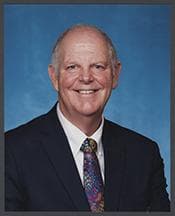
Tom O'Halleran
Democratic Representative
Arizona
Cosponsors (7)
Committee on House Administration, Judiciary Committee, Constitution and Limited Government Subcommittee, Oversight and Government Reform Committee
- Introduced
- In Committee
- On Floor
- Passed Chamber
- Enacted
No Ongoing Perks Enrichment Act or the NOPE Act This bill withholds the salaries of Members of a house of Congress that has not agreed to a budget resolution for FY2018 by April 15, 2017, as required by the Congressional Budget Act of 1974. Salaries are withheld from April 16, 2017, until the house of Congress agrees to a budget resolution or the last day of the 115th Congress, whichever is earlier. The bill amends the Legislative Reorganization Act of 1946 to eliminate automatic pay adjustments for Members of Congress. The bill prohibits use of funds appropriated or otherwise made available for the official travel of a Member of Congress or other officer or employee of the legislative branch for airline accommodations that are not coach-class accommodations. This prohibition shall not apply to an individual if the use would be permitted for an employee of an agency subject to specified federal regulations for temporary duty travel allowances. The bill amends the federal criminal code to increase to five years the post-employment lobbying ban on a former member of the U.S. Senate (currently, two years) or a former member of the U.S. House of Representatives (currently, one year).
View Full TextSuggested Questions
Get AI-generated questions to help you understand this bill better
Timeline
Introduced in House
Referred to the Committee on House Administration, and in addition to the Committees on the Judiciary, and Oversight and Government Reform, for a period to be subsequently determined by the Speaker, in each case for consideration of such provisions as fall within the jurisdiction of the committee concerned.
Referred to the Subcommittee on the Constitution and Civil Justice.
Congress
Aviation and airportsBudget deficits and national debtBudget processCongressional officers and employeesCongressional oversightGovernment employee pay, benefits, personnel managementGovernment ethics and transparency, public corruptionHouse of RepresentativesInflation and pricesMembers of CongressPublic participation and lobbyingTransportation costs
To provide that the salaries of Members of a House of Congress will be held in escrow if that House has not agreed to a concurrent resolution on the budget for fiscal year 2018 by April 15, 2017, to eliminate automatic pay adjustments for Members of Congress, to prohibit the use of funds provided for the official travel expenses of Members of Congress and other officers and employees of the legislative branch for first-class airline accommodations, and to amend title 18, United States Code, to establish a uniform 5-year post-employment ban on lobbying by former Members of Congress.
USA115th CongressHR-1951| House
| Updated: 4/26/2017
No Ongoing Perks Enrichment Act or the NOPE Act This bill withholds the salaries of Members of a house of Congress that has not agreed to a budget resolution for FY2018 by April 15, 2017, as required by the Congressional Budget Act of 1974. Salaries are withheld from April 16, 2017, until the house of Congress agrees to a budget resolution or the last day of the 115th Congress, whichever is earlier. The bill amends the Legislative Reorganization Act of 1946 to eliminate automatic pay adjustments for Members of Congress. The bill prohibits use of funds appropriated or otherwise made available for the official travel of a Member of Congress or other officer or employee of the legislative branch for airline accommodations that are not coach-class accommodations. This prohibition shall not apply to an individual if the use would be permitted for an employee of an agency subject to specified federal regulations for temporary duty travel allowances. The bill amends the federal criminal code to increase to five years the post-employment lobbying ban on a former member of the U.S. Senate (currently, two years) or a former member of the U.S. House of Representatives (currently, one year).
View Full TextSuggested Questions
Get AI-generated questions to help you understand this bill better
Timeline
Introduced in House
Referred to the Committee on House Administration, and in addition to the Committees on the Judiciary, and Oversight and Government Reform, for a period to be subsequently determined by the Speaker, in each case for consideration of such provisions as fall within the jurisdiction of the committee concerned.
Referred to the Subcommittee on the Constitution and Civil Justice.
Tom O'Halleran
Democratic Representative
Arizona
Cosponsors (7)
Committee on House Administration, Judiciary Committee, Constitution and Limited Government Subcommittee, Oversight and Government Reform Committee
Congress
Related Bills
- HR 115-342: To repeal the provision of law that provides automatic pay adjustments for Members of Congress.
- HR 115-429: To provide that the salaries of Members of a House of Congress will be held in escrow if that House has not agreed to a concurrent resolution on the budget for fiscal year 2018 by April 15, 2017.
- HR 115-668: To eliminate automatic pay adjustments for Members of Congress, and for other purposes.
- Introduced
- In Committee
- On Floor
- Passed Chamber
- Enacted
Aviation and airportsBudget deficits and national debtBudget processCongressional officers and employeesCongressional oversightGovernment employee pay, benefits, personnel managementGovernment ethics and transparency, public corruptionHouse of RepresentativesInflation and pricesMembers of CongressPublic participation and lobbyingTransportation costs