To authorize the Administrator of the Office of Juvenile Justice and Delinquency Prevention of the Department of Justice to award grants to local educational agencies to establish, expand, and support programs to train school staff to recognize and respond to signs of labor and sex trafficking and to provide classroom curricula to students on how to avoid becoming victims of labor and sex trafficking.
USA115th CongressHR-2268| House
| Updated: 5/1/2017
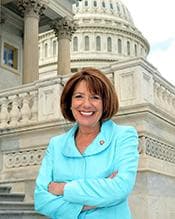
Susan A. Davis
Democratic Representative
California
Cosponsors (11)
Education and Workforce Committee
- Introduced
- In Committee
- On Floor
- Passed Chamber
- Enacted
Empowering Educators to Prevent Trafficking Act This bill authorizes the Department of Justice's Office of Juvenile Justice and Delinquency Prevention to award grants to local educational agencies: (1) to train school staff to recognize and respond to signs of labor and sex trafficking, and (2) to provide classroom curricula to students on how to avoid becoming victims of labor and sex trafficking.
View Full TextSuggested Questions
Get AI-generated questions to help you understand this bill better
Timeline
Introduced in House
Referred to the House Committee on Education and the Workforce.
Crime and Law Enforcement
Crimes against childrenCrime victimsEducation programs fundingElementary and secondary educationEmployment discrimination and employee rightsFraud offenses and financial crimesHuman traffickingSex offensesTeaching, teachers, curriculaWorker safety and health
To authorize the Administrator of the Office of Juvenile Justice and Delinquency Prevention of the Department of Justice to award grants to local educational agencies to establish, expand, and support programs to train school staff to recognize and respond to signs of labor and sex trafficking and to provide classroom curricula to students on how to avoid becoming victims of labor and sex trafficking.
USA115th CongressHR-2268| House
| Updated: 5/1/2017
Empowering Educators to Prevent Trafficking Act This bill authorizes the Department of Justice's Office of Juvenile Justice and Delinquency Prevention to award grants to local educational agencies: (1) to train school staff to recognize and respond to signs of labor and sex trafficking, and (2) to provide classroom curricula to students on how to avoid becoming victims of labor and sex trafficking.
View Full TextSuggested Questions
Get AI-generated questions to help you understand this bill better
Timeline
Introduced in House
Referred to the House Committee on Education and the Workforce.
Susan A. Davis
Democratic Representative
California
Cosponsors (11)
Education and Workforce Committee
Crime and Law Enforcement
- Introduced
- In Committee
- On Floor
- Passed Chamber
- Enacted
Crimes against childrenCrime victimsEducation programs fundingElementary and secondary educationEmployment discrimination and employee rightsFraud offenses and financial crimesHuman traffickingSex offensesTeaching, teachers, curriculaWorker safety and health