To eliminate discrimination and promote women's health and economic security by ensuring reasonable workplace accommodations for workers whose ability to perform the functions of a job are limited by pregnancy, childbirth, or a related medical condition.
USA115th CongressHR-2417| House
| Updated: 6/7/2017
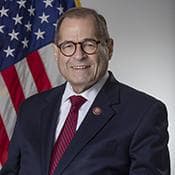
Jerrold Nadler
Democratic Representative
New York
Cosponsors (131)
Dwight Evans (Democratic)Donald Norcross (Democratic)Tim Ryan (Democratic)Marcy Kaptur (Democratic)John Katko (Republican)John Garamendi (Democratic)Ruben Gallego (Democratic)Marc A. Veasey (Democratic)Robert C. "Bobby" Scott (Democratic)Adam B. Schiff (Democratic)Barbara Lee (Democratic)Nita M. Lowey (Democratic)Robin L. Kelly (Democratic)Joseph P. Kennedy (Democratic)Raúl M. Grijalva (Democratic)Mark Pocan (Democratic)James R. Langevin (Democratic)Joyce Beatty (Democratic)David N. Cicilline (Democratic)Emanuel Cleaver (Democratic)Brian Higgins (Democratic)Jackie Speier (Democratic)Kathleen M. Rice (Democratic)Darren Soto (Democratic)Sheila Jackson Lee (Democratic)Derek Kilmer (Democratic)John A. Yarmuth (Democratic)Madeleine Z. Bordallo (Democratic)Carolyn B. Maloney (Democratic)Bill Foster (Democratic)Joe Courtney (Democratic)C. A. Dutch Ruppersberger (Democratic)Pete Aguilar (Democratic)Eliot L. Engel (Democratic)Frederica S. Wilson (Democratic)Carol Shea-Porter (Democratic)Eric Swalwell (Democratic)Dina Titus (Democratic)Niki Tsongas (Democratic)Debbie Dingell (Democratic)Katherine M. Clark (Democratic)Steve Cohen (Democratic)Tony Cárdenas (Democratic)Susan A. Davis (Democratic)Suzan K. DelBene (Democratic)Scott H. Peters (Democratic)Paul Tonko (Democratic)Donald M. Payne (Democratic)Thomas R. Suozzi (Democratic)John P. Sarbanes (Democratic)Rosa L. DeLauro (Democratic)Michael E. Capuano (Democratic)Adriano Espaillat (Democratic)Danny K. Davis (Democratic)Lucille Roybal-Allard (Democratic)Peter A. DeFazio (Democratic)Michelle Lujan Grisham (Democratic)Ro Khanna (Democratic)A. Donald McEachin (Democratic)Elizabeth H. Esty (Democratic)Alan S. Lowenthal (Democratic)Sean Patrick Maloney (Democratic)Henry C. "Hank" Johnson (Democratic)Matt Cartwright (Democratic)John B. Larson (Democratic)Stephen F. Lynch (Democratic)Mark DeSaulnier (Democratic)Keith Ellison (Democratic)Jim Cooper (Democratic)Kyrsten Sinema (Independent)John Conyers (Democratic)Doris O. Matsui (Democratic)David E. Price (Democratic)Raja Krishnamoorthi (Democratic)Marcia L. Fudge (Democratic)James A. Himes (Democratic)Sander M. Levin (Democratic)John Lewis (Democratic)Ami Bera (Democratic)Mark Takano (Democratic)Pramila Jayapal (Democratic)Kathy Castor (Democratic)Betty McCollum (Democratic)Eleanor Holmes Norton (Democratic)Brad Sherman (Democratic)Bonnie Watson Coleman (Democratic)Denny Heck (Democratic)Daniel Lipinski (Democratic)Norma J. Torres (Democratic)Jamie Raskin (Democratic)Ruben J. Kihuen (Democratic)Elijah E. Cummings (Democratic)Mike Quigley (Democratic)Lois Frankel (Democratic)Donald S. Beyer (Democratic)Louise McIntosh Slaughter (Democratic)Diana DeGette (Democratic)Janice D. Schakowsky (Democratic)James P. McGovern (Democratic)Adam Smith (Democratic)Ron Kind (Democratic)Nydia M. Velázquez (Democratic)Julia Brownley (Democratic)Joseph Crowley (Democratic)William R. Keating (Democratic)Jerry McNerney (Democratic)Beto O'Rourke (Democratic)Yvette D. Clarke (Democratic)Rick Larsen (Democratic)Jose E. Serrano (Democratic)Peter Welch (Democratic)Cedric L. Richmond (Democratic)Earl Blumenauer (Democratic)Robert A. Brady (Democratic)Seth Moulton (Democratic)Suzanne Bonamici (Democratic)Linda T. Sánchez (Democratic)Ed Perlmutter (Democratic)Zoe Lofgren (Democratic)Mike Coffman (Republican)Gwen Moore (Democratic)John K. Delaney (Democratic)Jimmy Gomez (Democratic)Grace Meng (Democratic)Cheri Bustos (Democratic)Alcee L. Hastings (Democratic)Debbie Wasserman Schultz (Democratic)Gerald E. Connolly (Democratic)Chellie Pingree (Democratic)Bill Pascrell (Democratic)Judy Chu (Democratic)
Committee on House Administration, Judiciary Committee, Constitution and Limited Government Subcommittee, Education and Workforce Committee, Oversight and Government Reform Committee
- Introduced
- In Committee
- On Floor
- Passed Chamber
- Enacted
Pregnant Workers Fairness Act This bill prohibits employment practices that discriminate against making reasonable accommodations for job applicants or employees affected by pregnancy, childbirth, or related medical conditions. Specifically, the bill declares that it is an unlawful employment practice to: (1) fail to make reasonable accommodations to known limitations of such job applicants or employees, unless the accommodation would impose an undue hardship on an entity's business operation; (2) deny employment opportunities based on the need of the entity to make such reasonable accommodations; (3) require such job applicants or employees to accept an accommodation that they choose not to accept, if such accommodation is unnecessary to perform the job; (4) require such employees to take paid or unpaid leave if another reasonable accommodation can be provided to their known limitations; or (5) take adverse action in terms, conditions, or privileges of employment against an employee requesting or using such reasonable accommodations. The bill sets forth enforcement procedures and remedies under the Civil Rights Act of 1964, the Congressional Accountability Act of 1995, the Government Employee Rights Act of 1991, and the rights and protections extended to presidential offices. The Equal Employment Opportunity Commission must provide examples of reasonable accommodations that shall be provided to affected job applicants or employees unless the employer can demonstrate that doing so would impose an undue hardship. The bill prohibits state immunity under the Eleventh Amendment to the Constitution from an action for a violation of this bill.
View Full TextSuggested Questions
Get AI-generated questions to help you understand this bill better
Timeline
Introduced in House
Referred to the Committee on Education and the Workforce, and in addition to the Committees on House Administration, Oversight and Government Reform, and the Judiciary, for a period to be subsequently determined by the Speaker, in each case for consideration of such provisions as fall within the jurisdiction of the committee concerned.
Referred to the Subcommittee on the Constitution and Civil Justice.
Labor and Employment
Administrative law and regulatory proceduresChild care and developmentCivil actions and liabilityEmployee hiringEmployee leaveEmployment discrimination and employee rightsEqual Employment Opportunity Commission (EEOC)Government employee pay, benefits, personnel managementGovernment liabilitySex and reproductive healthSex, gender, sexual orientation discriminationState and local government operationsWomen's employmentWomen's health
To eliminate discrimination and promote women's health and economic security by ensuring reasonable workplace accommodations for workers whose ability to perform the functions of a job are limited by pregnancy, childbirth, or a related medical condition.
USA115th CongressHR-2417| House
| Updated: 6/7/2017
Pregnant Workers Fairness Act This bill prohibits employment practices that discriminate against making reasonable accommodations for job applicants or employees affected by pregnancy, childbirth, or related medical conditions. Specifically, the bill declares that it is an unlawful employment practice to: (1) fail to make reasonable accommodations to known limitations of such job applicants or employees, unless the accommodation would impose an undue hardship on an entity's business operation; (2) deny employment opportunities based on the need of the entity to make such reasonable accommodations; (3) require such job applicants or employees to accept an accommodation that they choose not to accept, if such accommodation is unnecessary to perform the job; (4) require such employees to take paid or unpaid leave if another reasonable accommodation can be provided to their known limitations; or (5) take adverse action in terms, conditions, or privileges of employment against an employee requesting or using such reasonable accommodations. The bill sets forth enforcement procedures and remedies under the Civil Rights Act of 1964, the Congressional Accountability Act of 1995, the Government Employee Rights Act of 1991, and the rights and protections extended to presidential offices. The Equal Employment Opportunity Commission must provide examples of reasonable accommodations that shall be provided to affected job applicants or employees unless the employer can demonstrate that doing so would impose an undue hardship. The bill prohibits state immunity under the Eleventh Amendment to the Constitution from an action for a violation of this bill.
View Full TextSuggested Questions
Get AI-generated questions to help you understand this bill better
Timeline
Introduced in House
Referred to the Committee on Education and the Workforce, and in addition to the Committees on House Administration, Oversight and Government Reform, and the Judiciary, for a period to be subsequently determined by the Speaker, in each case for consideration of such provisions as fall within the jurisdiction of the committee concerned.
Referred to the Subcommittee on the Constitution and Civil Justice.
Jerrold Nadler
Democratic Representative
New York
Cosponsors (131)
Dwight Evans (Democratic)Donald Norcross (Democratic)Tim Ryan (Democratic)Marcy Kaptur (Democratic)John Katko (Republican)John Garamendi (Democratic)Ruben Gallego (Democratic)Marc A. Veasey (Democratic)Robert C. "Bobby" Scott (Democratic)Adam B. Schiff (Democratic)Barbara Lee (Democratic)Nita M. Lowey (Democratic)Robin L. Kelly (Democratic)Joseph P. Kennedy (Democratic)Raúl M. Grijalva (Democratic)Mark Pocan (Democratic)James R. Langevin (Democratic)Joyce Beatty (Democratic)David N. Cicilline (Democratic)Emanuel Cleaver (Democratic)Brian Higgins (Democratic)Jackie Speier (Democratic)Kathleen M. Rice (Democratic)Darren Soto (Democratic)Sheila Jackson Lee (Democratic)Derek Kilmer (Democratic)John A. Yarmuth (Democratic)Madeleine Z. Bordallo (Democratic)Carolyn B. Maloney (Democratic)Bill Foster (Democratic)Joe Courtney (Democratic)C. A. Dutch Ruppersberger (Democratic)Pete Aguilar (Democratic)Eliot L. Engel (Democratic)Frederica S. Wilson (Democratic)Carol Shea-Porter (Democratic)Eric Swalwell (Democratic)Dina Titus (Democratic)Niki Tsongas (Democratic)Debbie Dingell (Democratic)Katherine M. Clark (Democratic)Steve Cohen (Democratic)Tony Cárdenas (Democratic)Susan A. Davis (Democratic)Suzan K. DelBene (Democratic)Scott H. Peters (Democratic)Paul Tonko (Democratic)Donald M. Payne (Democratic)Thomas R. Suozzi (Democratic)John P. Sarbanes (Democratic)Rosa L. DeLauro (Democratic)Michael E. Capuano (Democratic)Adriano Espaillat (Democratic)Danny K. Davis (Democratic)Lucille Roybal-Allard (Democratic)Peter A. DeFazio (Democratic)Michelle Lujan Grisham (Democratic)Ro Khanna (Democratic)A. Donald McEachin (Democratic)Elizabeth H. Esty (Democratic)Alan S. Lowenthal (Democratic)Sean Patrick Maloney (Democratic)Henry C. "Hank" Johnson (Democratic)Matt Cartwright (Democratic)John B. Larson (Democratic)Stephen F. Lynch (Democratic)Mark DeSaulnier (Democratic)Keith Ellison (Democratic)Jim Cooper (Democratic)Kyrsten Sinema (Independent)John Conyers (Democratic)Doris O. Matsui (Democratic)David E. Price (Democratic)Raja Krishnamoorthi (Democratic)Marcia L. Fudge (Democratic)James A. Himes (Democratic)Sander M. Levin (Democratic)John Lewis (Democratic)Ami Bera (Democratic)Mark Takano (Democratic)Pramila Jayapal (Democratic)Kathy Castor (Democratic)Betty McCollum (Democratic)Eleanor Holmes Norton (Democratic)Brad Sherman (Democratic)Bonnie Watson Coleman (Democratic)Denny Heck (Democratic)Daniel Lipinski (Democratic)Norma J. Torres (Democratic)Jamie Raskin (Democratic)Ruben J. Kihuen (Democratic)Elijah E. Cummings (Democratic)Mike Quigley (Democratic)Lois Frankel (Democratic)Donald S. Beyer (Democratic)Louise McIntosh Slaughter (Democratic)Diana DeGette (Democratic)Janice D. Schakowsky (Democratic)James P. McGovern (Democratic)Adam Smith (Democratic)Ron Kind (Democratic)Nydia M. Velázquez (Democratic)Julia Brownley (Democratic)Joseph Crowley (Democratic)William R. Keating (Democratic)Jerry McNerney (Democratic)Beto O'Rourke (Democratic)Yvette D. Clarke (Democratic)Rick Larsen (Democratic)Jose E. Serrano (Democratic)Peter Welch (Democratic)Cedric L. Richmond (Democratic)Earl Blumenauer (Democratic)Robert A. Brady (Democratic)Seth Moulton (Democratic)Suzanne Bonamici (Democratic)Linda T. Sánchez (Democratic)Ed Perlmutter (Democratic)Zoe Lofgren (Democratic)Mike Coffman (Republican)Gwen Moore (Democratic)John K. Delaney (Democratic)Jimmy Gomez (Democratic)Grace Meng (Democratic)Cheri Bustos (Democratic)Alcee L. Hastings (Democratic)Debbie Wasserman Schultz (Democratic)Gerald E. Connolly (Democratic)Chellie Pingree (Democratic)Bill Pascrell (Democratic)Judy Chu (Democratic)
Committee on House Administration, Judiciary Committee, Constitution and Limited Government Subcommittee, Education and Workforce Committee, Oversight and Government Reform Committee
Labor and Employment
- Introduced
- In Committee
- On Floor
- Passed Chamber
- Enacted
Administrative law and regulatory proceduresChild care and developmentCivil actions and liabilityEmployee hiringEmployee leaveEmployment discrimination and employee rightsEqual Employment Opportunity Commission (EEOC)Government employee pay, benefits, personnel managementGovernment liabilitySex and reproductive healthSex, gender, sexual orientation discriminationState and local government operationsWomen's employmentWomen's health