To provide for a method by which the economic costs of significant regulatory actions may be offset by the repeal of other regulatory actions, and for other purposes.
USA115th CongressHR-2623| House
| Updated: 11/30/2017
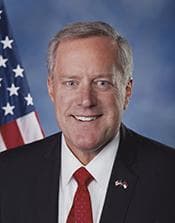
Mark Meadows
Republican Representative
North Carolina
Cosponsors (14)
Paul A. Gosar (Republican)Bob Gibbs (Republican)Steven M. Palazzo (Republican)Mike Johnson (Republican)Alexander X. Mooney (Republican)Jim Jordan (Republican)Luke Messer (Republican)Jody B. Hice (Republican)Mark Walker (Republican)Dave Brat (Republican)Matt Gaetz (Republican)Bill Posey (Republican)Ralph Norman (Republican)Ted Budd (Republican)
Administrative State, Regulatory Reform, and Antitrust Subcommittee, Judiciary Committee, Oversight and Government Reform Committee
- Introduced
- In Committee
- On Floor
- Passed Chamber
- Enacted
Lessening Regulatory Costs and Establishing a Federal Regulatory Budget Act of 2017 This bill requires federal agencies to: (1) designate regulatory reform officers to oversee reduction, cost control, planning, review, and termination of regulatory programs; and (2) establish task forces to recommend, within a five-year period, the repeal or amendment of regulations that eliminate or inhibit jobs, impose costs exceeding benefits, create inconsistency, interfere with regulatory reform, are inconsistent with Paperwork Reduction Act guidelines, were made to implement executive orders or presidential directives subsequently rescinded or modified, or are outdated, unnecessary, or ineffective. Any new incremental cost of a new significant regulatory action must be offset by the elimination of existing costs associated with at least two prior regulatory actions. The Office of Management and Budget (OMB) must set a net amount of incremental costs allowed for each agency in issuing new significant regulatory actions and repealing regulatory actions for the each fiscal year. If an agency does not exhaust all the incremental cost allowance for a fiscal year, that remaining balance may be included in the incremental allowance for the subsequent fiscal year. Before proposing a significant regulatory action during FY2018, an agency must identify at least two regulatory actions for repeal. Total incremental cost of all such new significant regulatory actions and any repealed regulatory action must be: (1) no greater than zero, or (2) consistent with an OMB waiver. Agencies must submit an annual regulatory plan to the OMB about: (1) the costs of proposed or finalized regulations, and (2) the economic effects and the net effect on jobs considered when drafting significant regulatory actions. The bill prohibits issuance of a significant regulatory action if it was not included in the most recent version of the published unified agenda of regulations under development or review, unless it was approved by the OMB.
View Full TextSuggested Questions
Get AI-generated questions to help you understand this bill better
Timeline
Introduced in House
Referred to the Committee on Oversight and Government Reform, and in addition to the Committee on the Judiciary, for a period to be subsequently determined by the Speaker, in each case for consideration of such provisions as fall within the jurisdiction of the committee concerned.
Referred to the Subcommittee on Regulatory Reform, Commercial And Antitrust Law.
Committee Consideration and Mark-up Session Held.
Ordered to be Reported (Amended) by the Yeas and Nays: 23 - 17.
Government Operations and Politics
Administrative law and regulatory proceduresEconomic performance and conditionsExecutive agency funding and structureFederal officialsOffice of Management and Budget (OMB)Presidents and presidential powers, Vice PresidentsUnemployment
To provide for a method by which the economic costs of significant regulatory actions may be offset by the repeal of other regulatory actions, and for other purposes.
USA115th CongressHR-2623| House
| Updated: 11/30/2017
Lessening Regulatory Costs and Establishing a Federal Regulatory Budget Act of 2017 This bill requires federal agencies to: (1) designate regulatory reform officers to oversee reduction, cost control, planning, review, and termination of regulatory programs; and (2) establish task forces to recommend, within a five-year period, the repeal or amendment of regulations that eliminate or inhibit jobs, impose costs exceeding benefits, create inconsistency, interfere with regulatory reform, are inconsistent with Paperwork Reduction Act guidelines, were made to implement executive orders or presidential directives subsequently rescinded or modified, or are outdated, unnecessary, or ineffective. Any new incremental cost of a new significant regulatory action must be offset by the elimination of existing costs associated with at least two prior regulatory actions. The Office of Management and Budget (OMB) must set a net amount of incremental costs allowed for each agency in issuing new significant regulatory actions and repealing regulatory actions for the each fiscal year. If an agency does not exhaust all the incremental cost allowance for a fiscal year, that remaining balance may be included in the incremental allowance for the subsequent fiscal year. Before proposing a significant regulatory action during FY2018, an agency must identify at least two regulatory actions for repeal. Total incremental cost of all such new significant regulatory actions and any repealed regulatory action must be: (1) no greater than zero, or (2) consistent with an OMB waiver. Agencies must submit an annual regulatory plan to the OMB about: (1) the costs of proposed or finalized regulations, and (2) the economic effects and the net effect on jobs considered when drafting significant regulatory actions. The bill prohibits issuance of a significant regulatory action if it was not included in the most recent version of the published unified agenda of regulations under development or review, unless it was approved by the OMB.
View Full TextSuggested Questions
Get AI-generated questions to help you understand this bill better
Timeline
Introduced in House
Referred to the Committee on Oversight and Government Reform, and in addition to the Committee on the Judiciary, for a period to be subsequently determined by the Speaker, in each case for consideration of such provisions as fall within the jurisdiction of the committee concerned.
Referred to the Subcommittee on Regulatory Reform, Commercial And Antitrust Law.
Committee Consideration and Mark-up Session Held.
Ordered to be Reported (Amended) by the Yeas and Nays: 23 - 17.
Mark Meadows
Republican Representative
North Carolina
Cosponsors (14)
Paul A. Gosar (Republican)Bob Gibbs (Republican)Steven M. Palazzo (Republican)Mike Johnson (Republican)Alexander X. Mooney (Republican)Jim Jordan (Republican)Luke Messer (Republican)Jody B. Hice (Republican)Mark Walker (Republican)Dave Brat (Republican)Matt Gaetz (Republican)Bill Posey (Republican)Ralph Norman (Republican)Ted Budd (Republican)
Administrative State, Regulatory Reform, and Antitrust Subcommittee, Judiciary Committee, Oversight and Government Reform Committee
Government Operations and Politics
- Introduced
- In Committee
- On Floor
- Passed Chamber
- Enacted
Administrative law and regulatory proceduresEconomic performance and conditionsExecutive agency funding and structureFederal officialsOffice of Management and Budget (OMB)Presidents and presidential powers, Vice PresidentsUnemployment