To restore, reaffirm, and reconcile environmental justice and civil rights, provide for the establishment of the Interagency Working Group on Environmental Justice Compliance and Enforcement, and for other purposes.
USA115th CongressHR-3590| House
| Updated: 9/21/2017
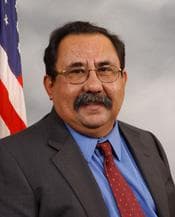
Raúl M. Grijalva
Democratic Representative
Arizona
Cosponsors (1)
Environment Subcommittee, Judiciary Committee, Constitution and Limited Government Subcommittee, Energy and Commerce Committee, Natural Resources Committee
- Introduced
- In Committee
- On Floor
- Passed Chamber
- Enacted
Environmental Justice and Civil Rights Restoration and Enforcement Act This bill amends the Civil Rights Act of 1964 to address environmental justice. Aggrieved persons may file suit in federal court against agencies that are engaged in unlawful: (1) intentional discrimination prohibited under this bill; or (2) unintentional discrimination that causes a disparate impact on the basis of race, color, or national origin. The President must establish the Interagency Working Group on Environmental Justice Compliance and Enforcement. The bill specifies the duties of the working group, including: (1) advising and assisting federal agencies in identifying and addressing the disproportionate human health and environmental effects of federal programs, policies, practices, and activities on communities of color, low-income communities, rural communities, and tribal and indigenous communities; (2) developing and publishing a guidance document that defines terminology used in dealing with environmental justice issues; and (3) developing a coordinated interagency federal environmental justice strategy. The Environmental Protection Agency (EPA) must: (1) offer environmental justice training to federal employees, (2) establish grant programs that address environmental justice, (3) establish a partnership-based training program to increase the capacity of residents of environmental justice communities to identify and address disproportionately high and adverse human health or environmental effects, and (4) establish the Environmental Justice Clearinghouse. The President must also establish an independent National Environmental Justice Advisory Council to provide advice to the EPA regarding environmental justice issues.
View Full TextSuggested Questions
Get AI-generated questions to help you understand this bill better
Timeline
Introduced in House
Referred to the Committee on Energy and Commerce, and in addition to the Committees on the Judiciary, and Natural Resources, for a period to be subsequently determined by the Speaker, in each case for consideration of such provisions as fall within the jurisdiction of the committee concerned.
Referred to the Subcommittee on Environment.
Referred to the Subcommittee on the Constitution and Civil Justice.
Environmental Protection
Administrative remediesAdvisory bodiesAir qualityCivil actions and liabilityClimate change and greenhouse gasesCongressional oversightDue process and equal protectionEnvironmental assessment, monitoring, researchEnvironmental healthEnvironmental Protection Agency (EPA)Environmental regulatory proceduresEvidence and witnessesExecutive agency funding and structureExecutive Office of the PresidentFederal officialsGovernment employee pay, benefits, personnel managementGovernment information and archivesGovernment studies and investigationsHigher educationHousing and community development fundingIndian lands and resources rightsIndian social and development programsIntergovernmental relationsLand use and conservationLegal fees and court costsMedical researchMiningMinority healthPerformance measurementPoverty and welfare assistancePublic participation and lobbyingRacial and ethnic relationsResearch administration and fundingRural conditions and developmentSolid waste and recyclingState and local government operationsWater qualityWater use and supply
To restore, reaffirm, and reconcile environmental justice and civil rights, provide for the establishment of the Interagency Working Group on Environmental Justice Compliance and Enforcement, and for other purposes.
USA115th CongressHR-3590| House
| Updated: 9/21/2017
Environmental Justice and Civil Rights Restoration and Enforcement Act This bill amends the Civil Rights Act of 1964 to address environmental justice. Aggrieved persons may file suit in federal court against agencies that are engaged in unlawful: (1) intentional discrimination prohibited under this bill; or (2) unintentional discrimination that causes a disparate impact on the basis of race, color, or national origin. The President must establish the Interagency Working Group on Environmental Justice Compliance and Enforcement. The bill specifies the duties of the working group, including: (1) advising and assisting federal agencies in identifying and addressing the disproportionate human health and environmental effects of federal programs, policies, practices, and activities on communities of color, low-income communities, rural communities, and tribal and indigenous communities; (2) developing and publishing a guidance document that defines terminology used in dealing with environmental justice issues; and (3) developing a coordinated interagency federal environmental justice strategy. The Environmental Protection Agency (EPA) must: (1) offer environmental justice training to federal employees, (2) establish grant programs that address environmental justice, (3) establish a partnership-based training program to increase the capacity of residents of environmental justice communities to identify and address disproportionately high and adverse human health or environmental effects, and (4) establish the Environmental Justice Clearinghouse. The President must also establish an independent National Environmental Justice Advisory Council to provide advice to the EPA regarding environmental justice issues.
View Full TextSuggested Questions
Get AI-generated questions to help you understand this bill better
Timeline
Introduced in House
Referred to the Committee on Energy and Commerce, and in addition to the Committees on the Judiciary, and Natural Resources, for a period to be subsequently determined by the Speaker, in each case for consideration of such provisions as fall within the jurisdiction of the committee concerned.
Referred to the Subcommittee on Environment.
Referred to the Subcommittee on the Constitution and Civil Justice.
Raúl M. Grijalva
Democratic Representative
Arizona
Cosponsors (1)
Environment Subcommittee, Judiciary Committee, Constitution and Limited Government Subcommittee, Energy and Commerce Committee, Natural Resources Committee
Environmental Protection
- Introduced
- In Committee
- On Floor
- Passed Chamber
- Enacted
Administrative remediesAdvisory bodiesAir qualityCivil actions and liabilityClimate change and greenhouse gasesCongressional oversightDue process and equal protectionEnvironmental assessment, monitoring, researchEnvironmental healthEnvironmental Protection Agency (EPA)Environmental regulatory proceduresEvidence and witnessesExecutive agency funding and structureExecutive Office of the PresidentFederal officialsGovernment employee pay, benefits, personnel managementGovernment information and archivesGovernment studies and investigationsHigher educationHousing and community development fundingIndian lands and resources rightsIndian social and development programsIntergovernmental relationsLand use and conservationLegal fees and court costsMedical researchMiningMinority healthPerformance measurementPoverty and welfare assistancePublic participation and lobbyingRacial and ethnic relationsResearch administration and fundingRural conditions and developmentSolid waste and recyclingState and local government operationsWater qualityWater use and supply