To amend the Bipartisan Congressional Trade Priorities and Accountability Act of 2015 with respect to the protection of human rights and labor standards, and for other purposes.
USA115th CongressHR-3721| House
| Updated: 9/8/2017
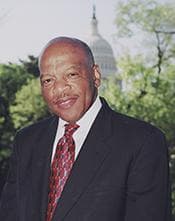
John Lewis
Democratic Representative
Georgia
Cosponsors (9)
Ways and Means Committee, Rules Committee
- Introduced
- In Committee
- On Floor
- Passed Chamber
- Enacted
Labor, Human, and Civil Rights Trade Policy Act This bill amends the Bipartisan Congressional Trade Priorities and Accountability Act of 2015 to require trade agreement implementing bills to: (1) achieve the negotiating objectives of adherence by parties to internationally recognized core labor standards; and (2) ensure that parties demonstrate respect for internationally recognized human rights, as indicated through assessments over a period of at least 10 years. For purposes of the meaning of core labor standards, the bill expands the definition of employment discrimination.
View Full TextSuggested Questions
Get AI-generated questions to help you understand this bill better
Timeline
Introduced in House
Referred to the Committee on Ways and Means, and in addition to the Committee on Rules, for a period to be subsequently determined by the Speaker, in each case for consideration of such provisions as fall within the jurisdiction of the committee concerned.
Foreign Trade and International Finance
Employment discrimination and employee rightsHuman rightsInternational law and treatiesLabor-management relationsLabor standardsLegislative rules and procedureTrade agreements and negotiations
To amend the Bipartisan Congressional Trade Priorities and Accountability Act of 2015 with respect to the protection of human rights and labor standards, and for other purposes.
USA115th CongressHR-3721| House
| Updated: 9/8/2017
Labor, Human, and Civil Rights Trade Policy Act This bill amends the Bipartisan Congressional Trade Priorities and Accountability Act of 2015 to require trade agreement implementing bills to: (1) achieve the negotiating objectives of adherence by parties to internationally recognized core labor standards; and (2) ensure that parties demonstrate respect for internationally recognized human rights, as indicated through assessments over a period of at least 10 years. For purposes of the meaning of core labor standards, the bill expands the definition of employment discrimination.
View Full TextSuggested Questions
Get AI-generated questions to help you understand this bill better
Timeline
Introduced in House
Referred to the Committee on Ways and Means, and in addition to the Committee on Rules, for a period to be subsequently determined by the Speaker, in each case for consideration of such provisions as fall within the jurisdiction of the committee concerned.
John Lewis
Democratic Representative
Georgia
Cosponsors (9)
Ways and Means Committee, Rules Committee
Foreign Trade and International Finance
- Introduced
- In Committee
- On Floor
- Passed Chamber
- Enacted
Employment discrimination and employee rightsHuman rightsInternational law and treatiesLabor-management relationsLabor standardsLegislative rules and procedureTrade agreements and negotiations