To establish the National Center for the Right to Counsel.
USA115th CongressHR-3811| House
| Updated: 9/28/2017
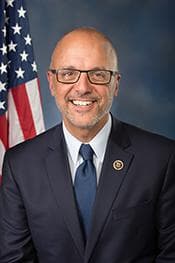
Theodore E. Deutch
Democratic Representative
Florida
Cosponsors (6)
Ways and Means Committee, Crime and Federal Government Surveillance Subcommittee, Judiciary Committee, Constitution and Limited Government Subcommittee
- Introduced
- In Committee
- On Floor
- Passed Chamber
- Enacted
National Center for the Right to Counsel Act This bill establishes in the District of Columbia a private, nonprofit corporation to be known as the National Center for the Right to Counsel to provide: (1) financial support to supplement funding for public defense systems that provide legal assistance to indigent defendants, and (2) financial and substantive support for training programs to improve delivery of legal services to indigent defendants. The bill requires each state to have a state advisory council to: (1) monitor, receive, and investigate complaints regarding the compliance of public defense systems that receive funding with applicable laws and regulations; (2) notify the center of any apparent violations; and (3) collect data on the delivery of public defense services and facilitate information sharing among the state's public defense systems. The center must make available to the public an online database that includes the contact information for all public defense systems in every state. The bill requires the center to establish regional backup service centers to assist public defense systems with access to investigators, sentencing mitigation specialists, and information about available grants. The Government Accountability Office must complete a study four years after this bill is enacted about the effects of the center on providing public defense services and on the cost of the criminal justice system.
View Full TextSuggested Questions
Get AI-generated questions to help you understand this bill better
Timeline
Introduced in House
Referred to the Committee on the Judiciary, and in addition to the Committee on Ways and Means, for a period to be subsequently determined by the Speaker, in each case for consideration of such provisions as fall within the jurisdiction of the committee concerned.
Referred to the Subcommittee on the Constitution and Civil Justice.
Referred to the Subcommittee on Crime, Terrorism, Homeland Security, and Investigations.
Crime and Law Enforcement
Accounting and auditingAdvisory bodiesCongressional oversightCriminal investigation, prosecution, interrogationCriminal procedure and sentencingDue process and equal protectionGovernment information and archivesGovernment studies and investigationsLaw enforcement administration and fundingLawyers and legal servicesPoverty and welfare assistanceState and local government operationsTax-exempt organizations
To establish the National Center for the Right to Counsel.
USA115th CongressHR-3811| House
| Updated: 9/28/2017
National Center for the Right to Counsel Act This bill establishes in the District of Columbia a private, nonprofit corporation to be known as the National Center for the Right to Counsel to provide: (1) financial support to supplement funding for public defense systems that provide legal assistance to indigent defendants, and (2) financial and substantive support for training programs to improve delivery of legal services to indigent defendants. The bill requires each state to have a state advisory council to: (1) monitor, receive, and investigate complaints regarding the compliance of public defense systems that receive funding with applicable laws and regulations; (2) notify the center of any apparent violations; and (3) collect data on the delivery of public defense services and facilitate information sharing among the state's public defense systems. The center must make available to the public an online database that includes the contact information for all public defense systems in every state. The bill requires the center to establish regional backup service centers to assist public defense systems with access to investigators, sentencing mitigation specialists, and information about available grants. The Government Accountability Office must complete a study four years after this bill is enacted about the effects of the center on providing public defense services and on the cost of the criminal justice system.
View Full TextSuggested Questions
Get AI-generated questions to help you understand this bill better
Timeline
Introduced in House
Referred to the Committee on the Judiciary, and in addition to the Committee on Ways and Means, for a period to be subsequently determined by the Speaker, in each case for consideration of such provisions as fall within the jurisdiction of the committee concerned.
Referred to the Subcommittee on the Constitution and Civil Justice.
Referred to the Subcommittee on Crime, Terrorism, Homeland Security, and Investigations.
Theodore E. Deutch
Democratic Representative
Florida
Cosponsors (6)
Ways and Means Committee, Crime and Federal Government Surveillance Subcommittee, Judiciary Committee, Constitution and Limited Government Subcommittee
Crime and Law Enforcement
- Introduced
- In Committee
- On Floor
- Passed Chamber
- Enacted
Accounting and auditingAdvisory bodiesCongressional oversightCriminal investigation, prosecution, interrogationCriminal procedure and sentencingDue process and equal protectionGovernment information and archivesGovernment studies and investigationsLaw enforcement administration and fundingLawyers and legal servicesPoverty and welfare assistanceState and local government operationsTax-exempt organizations