National Monument CAP Act
USA115th CongressHR-3990| House
| Updated: 12/19/2018
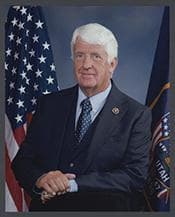
Rob Bishop
Republican Representative
Utah
Cosponsors (9)
Natural Resources Committee
- Introduced
- In Committee
- On Floor
- Passed Chamber
- Enacted
National Monument Creation and Protection Act This bill amends the Antiquities Act of 1906 to allow the President to declare by public proclamation an object or objects of antiquity (currently, historic landmarks, historic and prehistoric structures, and other objects of historic or scientific interest) that are situated on lands owned or controlled by the federal government to be national monuments. "Objects of antiquity" means relics, artifacts, human or animal skeletal remains, fossils, and certain buildings constructed before enactment of this bill. The bill prescribes limits on land that may be declared to be a national monument based on acreage, proximity to other national monuments, whether it has been reviewed by the Department of the Interior or Agriculture (USDA) under the National Environmental Policy Act, and whether it has been approved by each county and state within whose boundaries it will be located. Such limitation shall not apply to a designation made to prevent imminent and irreparable harm to the object or objects of antiquity to be protected. Such exception shall end after one year and may be used only once. The President may reduce the size of any declared national monument: (1) by 85,000 acres or less; or (2) by more than 85,000 acres only if the reduction has been approved by each county and state within whose boundaries the monument will be located and reviewed by Interior or USDA under the National Environmental Policy Act. The bill prohibits any land from being declared as a national monument in a configuration that would place nonfederally owned property within the monument without first obtaining the owners' written consent.
Suggested Questions
Get AI-generated questions to help you understand this bill better
Timeline
Introduced in House
Referred to the House Committee on Natural Resources.
Ordered to be Reported (Amended) by the Yeas and Nays: 23 - 17.
Committee Consideration and Mark-up Session Held.
Placed on the Union Calendar, Calendar No. 840.
Reported (Amended) by the Committee on Natural Resources. H. Rept. 115-1081.
Public Lands and Natural Resources
Archaeology and anthropologyEnvironmental assessment, monitoring, researchHistoric sites and heritage areasLand use and conservationMonuments and memorialsParks, recreation areas, trailsPresidents and presidential powers, Vice PresidentsWilderness and natural areas, wildlife refuges, wild rivers, habitats
National Monument CAP Act
USA115th CongressHR-3990| House
| Updated: 12/19/2018
National Monument Creation and Protection Act This bill amends the Antiquities Act of 1906 to allow the President to declare by public proclamation an object or objects of antiquity (currently, historic landmarks, historic and prehistoric structures, and other objects of historic or scientific interest) that are situated on lands owned or controlled by the federal government to be national monuments. "Objects of antiquity" means relics, artifacts, human or animal skeletal remains, fossils, and certain buildings constructed before enactment of this bill. The bill prescribes limits on land that may be declared to be a national monument based on acreage, proximity to other national monuments, whether it has been reviewed by the Department of the Interior or Agriculture (USDA) under the National Environmental Policy Act, and whether it has been approved by each county and state within whose boundaries it will be located. Such limitation shall not apply to a designation made to prevent imminent and irreparable harm to the object or objects of antiquity to be protected. Such exception shall end after one year and may be used only once. The President may reduce the size of any declared national monument: (1) by 85,000 acres or less; or (2) by more than 85,000 acres only if the reduction has been approved by each county and state within whose boundaries the monument will be located and reviewed by Interior or USDA under the National Environmental Policy Act. The bill prohibits any land from being declared as a national monument in a configuration that would place nonfederally owned property within the monument without first obtaining the owners' written consent.
Suggested Questions
Get AI-generated questions to help you understand this bill better
Timeline
Introduced in House
Referred to the House Committee on Natural Resources.
Ordered to be Reported (Amended) by the Yeas and Nays: 23 - 17.
Committee Consideration and Mark-up Session Held.
Placed on the Union Calendar, Calendar No. 840.
Reported (Amended) by the Committee on Natural Resources. H. Rept. 115-1081.
Rob Bishop
Republican Representative
Utah
Cosponsors (9)
Natural Resources Committee
Public Lands and Natural Resources
- Introduced
- In Committee
- On Floor
- Passed Chamber
- Enacted
Archaeology and anthropologyEnvironmental assessment, monitoring, researchHistoric sites and heritage areasLand use and conservationMonuments and memorialsParks, recreation areas, trailsPresidents and presidential powers, Vice PresidentsWilderness and natural areas, wildlife refuges, wild rivers, habitats