To reverse declining milk consumption in schools.
USA115th CongressHR-4101| House
| Updated: 11/6/2017
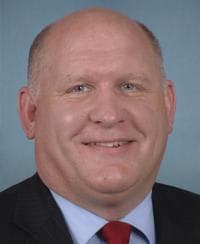
Glenn Thompson
Republican Representative
Pennsylvania
Cosponsors (39)
Dwight Evans (Democratic)Bob Gibbs (Republican)John Katko (Republican)Elise M. Stefanik (Republican)Roger Marshall (Republican)Brett Guthrie (Republican)Mark Pocan (Democratic)Joe Courtney (Democratic)Claudia Tenney (Republican)Stevan Pearce (Republican)Carol Shea-Porter (Democratic)Lynn Jenkins (Republican)John J. Faso (Republican)Tim Walberg (Republican)Collin C. Peterson (Democratic)Lou Barletta (Republican)Mike Bishop (Republican)Todd Rokita (Republican)Scott Perry (Republican)Elizabeth H. Esty (Democratic)Lloyd Smucker (Republican)Luke Messer (Republican)Ann M. Kuster (Democratic)Patrick Meehan (Republican)Rodney Davis (Republican)Chris Collins (Republican)Glenn Grothman (Republican)Kevin Cramer (Republican)James Comer (Republican)Mike Gallagher (Republican)Thomas J. Rooney (Republican)Larry Bucshon (Republican)Tom Marino (Republican)Mark E. Amodei (Republican)David G. Valadao (Republican)Ted S. Yoho (Republican)Peter Welch (Democratic)Sean P. Duffy (Republican)David P. Roe (Republican)
Education and Workforce Committee
- Introduced
- In Committee
- On Floor
- Passed Chamber
- Enacted
School Milk Nutrition Act of 2017 This bill revises the requirements for milk provided by the National School Lunch Program (NSLP) and other Department of Agriculture (USDA) programs. The bill amends the Richard B. Russell National School Lunch Act to permit schools participating in the NSLP to offer students low-fat and fat-free milk, including low-fat flavored milk containing no more than 150 calories per 8-ounce serving. For students who cannot consume fluid milk because of a medical or other dietary need, schools may offer a nondairy beverage that is: (1) nutritionally equivalent to low-fat and fat-free milk; and (2) meets USDA nutritional standards, including fortification of calcium, protein, vitamin A, vitamin D, magnesium, phosphorus, potassium, riboflavin, and vitamin B-12. (Under current law, the substitute is only required to include fortification of calcium, protein, vitamin A, and vitamin D to levels found in cow's milk.) In establishing national school nutritional standards, USDA must provide that containers of all beverages sold in schools have the same maximum volume. USDA must also: (1) report to Congress on recent trends in fluid milk consumption in schools; (2) carry out a pilot program to test and demonstrate strategies by which schools can increase the consumption of fluid milk; and (3) make lactose-free milk with an extended shelf life available to schools. If available evidence indicates that woman and children participating in the Special Supplemental Nutrition Program for Women, Infants, and Children (WIC) typically consume fewer than the number of daily servings of dairy recommended in the Dietary Guidelines for Americans, USDA must ensure that women have access to reduced fat milk for themselves and their children upon request.
View Full TextSuggested Questions
Get AI-generated questions to help you understand this bill better
Timeline
Introduced in House
Referred to the House Committee on Education and the Workforce.
Sponsor introductory remarks on measure. (CR H8512-8513)
Agriculture and Food
Child healthCongressional oversightElementary and secondary educationFood assistance and reliefGovernment studies and investigationsNutrition and dietWomen's health
To reverse declining milk consumption in schools.
USA115th CongressHR-4101| House
| Updated: 11/6/2017
School Milk Nutrition Act of 2017 This bill revises the requirements for milk provided by the National School Lunch Program (NSLP) and other Department of Agriculture (USDA) programs. The bill amends the Richard B. Russell National School Lunch Act to permit schools participating in the NSLP to offer students low-fat and fat-free milk, including low-fat flavored milk containing no more than 150 calories per 8-ounce serving. For students who cannot consume fluid milk because of a medical or other dietary need, schools may offer a nondairy beverage that is: (1) nutritionally equivalent to low-fat and fat-free milk; and (2) meets USDA nutritional standards, including fortification of calcium, protein, vitamin A, vitamin D, magnesium, phosphorus, potassium, riboflavin, and vitamin B-12. (Under current law, the substitute is only required to include fortification of calcium, protein, vitamin A, and vitamin D to levels found in cow's milk.) In establishing national school nutritional standards, USDA must provide that containers of all beverages sold in schools have the same maximum volume. USDA must also: (1) report to Congress on recent trends in fluid milk consumption in schools; (2) carry out a pilot program to test and demonstrate strategies by which schools can increase the consumption of fluid milk; and (3) make lactose-free milk with an extended shelf life available to schools. If available evidence indicates that woman and children participating in the Special Supplemental Nutrition Program for Women, Infants, and Children (WIC) typically consume fewer than the number of daily servings of dairy recommended in the Dietary Guidelines for Americans, USDA must ensure that women have access to reduced fat milk for themselves and their children upon request.
View Full TextSuggested Questions
Get AI-generated questions to help you understand this bill better
Timeline
Introduced in House
Referred to the House Committee on Education and the Workforce.
Sponsor introductory remarks on measure. (CR H8512-8513)
Glenn Thompson
Republican Representative
Pennsylvania
Cosponsors (39)
Dwight Evans (Democratic)Bob Gibbs (Republican)John Katko (Republican)Elise M. Stefanik (Republican)Roger Marshall (Republican)Brett Guthrie (Republican)Mark Pocan (Democratic)Joe Courtney (Democratic)Claudia Tenney (Republican)Stevan Pearce (Republican)Carol Shea-Porter (Democratic)Lynn Jenkins (Republican)John J. Faso (Republican)Tim Walberg (Republican)Collin C. Peterson (Democratic)Lou Barletta (Republican)Mike Bishop (Republican)Todd Rokita (Republican)Scott Perry (Republican)Elizabeth H. Esty (Democratic)Lloyd Smucker (Republican)Luke Messer (Republican)Ann M. Kuster (Democratic)Patrick Meehan (Republican)Rodney Davis (Republican)Chris Collins (Republican)Glenn Grothman (Republican)Kevin Cramer (Republican)James Comer (Republican)Mike Gallagher (Republican)Thomas J. Rooney (Republican)Larry Bucshon (Republican)Tom Marino (Republican)Mark E. Amodei (Republican)David G. Valadao (Republican)Ted S. Yoho (Republican)Peter Welch (Democratic)Sean P. Duffy (Republican)David P. Roe (Republican)
Education and Workforce Committee
Agriculture and Food
- Introduced
- In Committee
- On Floor
- Passed Chamber
- Enacted
Child healthCongressional oversightElementary and secondary educationFood assistance and reliefGovernment studies and investigationsNutrition and dietWomen's health