To amend the Omnibus Crime Control and Safe Streets Act of 1968 to provide for the humane treatment of youths who are in police custody, and for other purposes.
USA115th CongressHR-47| House
| Updated: 1/12/2017
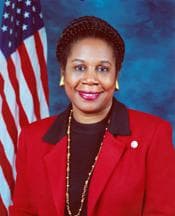
Sheila Jackson Lee
Democratic Representative
Texas
Cosponsors (1)
Crime and Federal Government Surveillance Subcommittee, Judiciary Committee
- Introduced
- In Committee
- On Floor
- Passed Chamber
- Enacted
Effective and Humane Treatment of Youth Act of 2017 or Kalief's Law This legislation amends the Omnibus Crime Control and Safe Streets Act of 1968 to reauthorize the Juvenile Accountability Block Grant (JABG) program for FY2018-FY2022. It requires a state or local government that receives JABG funding to implement policies that, with respect to youth: (1) provide a right to speedy trial; (2) provide a right to timely bail consideration; and (3) restrict solitary confinement. The term "youth" means an individual who is 21 years of age or younger. Additionally, it requires a state or local government that receives funding under the Edward Byrne Memorial Justice Assistance Grant program or the Community Oriented Policing Services program to implement policies and training on police-youth interaction. The legislation amends the federal criminal code to: (1) require youth custodial interrogations to be recorded; (2) prohibit youth solitary confinement, except as a temporary response to serious and harmful behavior; and (3) prohibit youth restraints during courtroom proceedings, except in certain circumstances. DOJ must report to Congress on youth solitary confinement, including: (1) types and conditions; and (2) number of instances broken down by age, race, ethnicity, gender, and unique circumstances. The bill directs DOJ to award grants to states and local governments to record youth custodial interrogations.
View Full TextSuggested Questions
Get AI-generated questions to help you understand this bill better
Timeline
Introduced in House
Referred to the House Committee on the Judiciary.
Referred to the Subcommittee on Crime, Terrorism, Homeland Security, and Investigations.
Crime and Law Enforcement
Child healthChild safety and welfareCommunity life and organizationCongressional oversightCorrectional facilities and imprisonmentCriminal investigation, prosecution, interrogationCriminal procedure and sentencingDetention of personsDue process and equal protectionEvidence and witnessesGovernment studies and investigationsJuvenile crime and gang violenceLaw enforcement administration and fundingLaw enforcement officersLawyers and legal servicesMental healthSound recordingState and local government operations
To amend the Omnibus Crime Control and Safe Streets Act of 1968 to provide for the humane treatment of youths who are in police custody, and for other purposes.
USA115th CongressHR-47| House
| Updated: 1/12/2017
Effective and Humane Treatment of Youth Act of 2017 or Kalief's Law This legislation amends the Omnibus Crime Control and Safe Streets Act of 1968 to reauthorize the Juvenile Accountability Block Grant (JABG) program for FY2018-FY2022. It requires a state or local government that receives JABG funding to implement policies that, with respect to youth: (1) provide a right to speedy trial; (2) provide a right to timely bail consideration; and (3) restrict solitary confinement. The term "youth" means an individual who is 21 years of age or younger. Additionally, it requires a state or local government that receives funding under the Edward Byrne Memorial Justice Assistance Grant program or the Community Oriented Policing Services program to implement policies and training on police-youth interaction. The legislation amends the federal criminal code to: (1) require youth custodial interrogations to be recorded; (2) prohibit youth solitary confinement, except as a temporary response to serious and harmful behavior; and (3) prohibit youth restraints during courtroom proceedings, except in certain circumstances. DOJ must report to Congress on youth solitary confinement, including: (1) types and conditions; and (2) number of instances broken down by age, race, ethnicity, gender, and unique circumstances. The bill directs DOJ to award grants to states and local governments to record youth custodial interrogations.
View Full TextSuggested Questions
Get AI-generated questions to help you understand this bill better
Timeline
Introduced in House
Referred to the House Committee on the Judiciary.
Referred to the Subcommittee on Crime, Terrorism, Homeland Security, and Investigations.
Sheila Jackson Lee
Democratic Representative
Texas
Cosponsors (1)
Crime and Federal Government Surveillance Subcommittee, Judiciary Committee
Crime and Law Enforcement
- Introduced
- In Committee
- On Floor
- Passed Chamber
- Enacted
Child healthChild safety and welfareCommunity life and organizationCongressional oversightCorrectional facilities and imprisonmentCriminal investigation, prosecution, interrogationCriminal procedure and sentencingDetention of personsDue process and equal protectionEvidence and witnessesGovernment studies and investigationsJuvenile crime and gang violenceLaw enforcement administration and fundingLaw enforcement officersLawyers and legal servicesMental healthSound recordingState and local government operations