To amend the Internal Revenue Code of 1986 to improve access to health care through modernized health savings accounts.
USA115th CongressHR-5138| House
| Updated: 3/1/2018
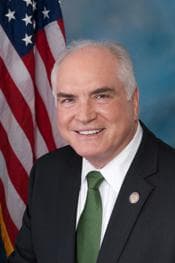
Mike Kelly
Republican Representative
Pennsylvania
Cosponsors (18)
Erik Paulsen (Republican)Terri A. Sewell (Democratic)Jackie Walorski (Republican)John J. Faso (Republican)Carlos Curbelo (Republican)Peter A. DeFazio (Democratic)Jason Smith (Republican)Lloyd Smucker (Republican)Kyrsten Sinema (Independent)Chris Collins (Republican)Ron Estes (Republican)Jason Lewis (Republican)Ron Kind (Democratic)Tom Emmer (Republican)Brian K. Fitzpatrick (Republican)Earl Blumenauer (Democratic)George Holding (Republican)John Shimkus (Republican)
Ways and Means Committee
- Introduced
- In Committee
- On Floor
- Passed Chamber
- Enacted
Bipartisan HSA Improvement Act of 2018 This bill amends the Internal Revenue Code to modify various requirements for health savings accounts (HSAs). The bill allows: individuals participating in an HSA to receive or be eligible to receive specified items and services at onsite employee clinics and retail health clinics, individuals who are covered by a spouse's health flexible spending arrangement to contribute to an HSA, high deductible health plans that are required for an HSA to include coverage with no deductible for care and prescription medications related to the treatment of medically complex chronic conditions, and HSAs to be used for certain sports and fitness expenses. The bill also: expands the definition of insurance that is permitted under an HSA to include insurance consisting of coverage for excepted benefits (Excepted benefits are not subject to certain requirements under the Patient Protection and Affordable Care Act.), modifies the definition of a dependent to include a child who has not attained the age of 27, and modifies the eligibility rules and other requirements for individuals who also participate in health flexible spending arrangements or health reimbursement arrangements.
View Full TextSuggested Questions
Get AI-generated questions to help you understand this bill better
Timeline
Introduced in House
Referred to the House Committee on Ways and Means.
Taxation
Child healthEmployee benefits and pensionsFamily relationshipsHealth care costs and insuranceHealth care coverage and accessHealth promotion and preventive careHospital careImmunology and vaccinationIncome tax deductionsIncome tax exclusionInflation and pricesLong-term, rehabilitative, and terminal careMarriage and family statusPhysical fitness and lifestylePrescription drugsSports and recreation facilitiesTax administration and collection, taxpayersTax treatment of families
To amend the Internal Revenue Code of 1986 to improve access to health care through modernized health savings accounts.
USA115th CongressHR-5138| House
| Updated: 3/1/2018
Bipartisan HSA Improvement Act of 2018 This bill amends the Internal Revenue Code to modify various requirements for health savings accounts (HSAs). The bill allows: individuals participating in an HSA to receive or be eligible to receive specified items and services at onsite employee clinics and retail health clinics, individuals who are covered by a spouse's health flexible spending arrangement to contribute to an HSA, high deductible health plans that are required for an HSA to include coverage with no deductible for care and prescription medications related to the treatment of medically complex chronic conditions, and HSAs to be used for certain sports and fitness expenses. The bill also: expands the definition of insurance that is permitted under an HSA to include insurance consisting of coverage for excepted benefits (Excepted benefits are not subject to certain requirements under the Patient Protection and Affordable Care Act.), modifies the definition of a dependent to include a child who has not attained the age of 27, and modifies the eligibility rules and other requirements for individuals who also participate in health flexible spending arrangements or health reimbursement arrangements.
View Full TextSuggested Questions
Get AI-generated questions to help you understand this bill better
Timeline
Introduced in House
Referred to the House Committee on Ways and Means.
Mike Kelly
Republican Representative
Pennsylvania
Cosponsors (18)
Erik Paulsen (Republican)Terri A. Sewell (Democratic)Jackie Walorski (Republican)John J. Faso (Republican)Carlos Curbelo (Republican)Peter A. DeFazio (Democratic)Jason Smith (Republican)Lloyd Smucker (Republican)Kyrsten Sinema (Independent)Chris Collins (Republican)Ron Estes (Republican)Jason Lewis (Republican)Ron Kind (Democratic)Tom Emmer (Republican)Brian K. Fitzpatrick (Republican)Earl Blumenauer (Democratic)George Holding (Republican)John Shimkus (Republican)
Ways and Means Committee
Taxation
Related Bills
- Introduced
- In Committee
- On Floor
- Passed Chamber
- Enacted
Child healthEmployee benefits and pensionsFamily relationshipsHealth care costs and insuranceHealth care coverage and accessHealth promotion and preventive careHospital careImmunology and vaccinationIncome tax deductionsIncome tax exclusionInflation and pricesLong-term, rehabilitative, and terminal careMarriage and family statusPhysical fitness and lifestylePrescription drugsSports and recreation facilitiesTax administration and collection, taxpayersTax treatment of families