Expressing the sense of the Congress that lesbian, gay, bisexual, and transgender individuals should be protected from discrimination under the law.
USA115th CongressHRES-136| House
| Updated: 2/16/2017
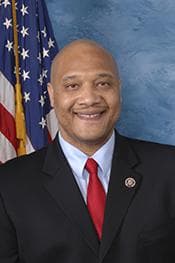
André Carson
Democratic Representative
Indiana
Cosponsors (93)
Donald Norcross (Democratic)Tim Ryan (Democratic)John Garamendi (Democratic)Jared Huffman (Democratic)Marc A. Veasey (Democratic)Robert C. "Bobby" Scott (Democratic)Adam B. Schiff (Democratic)Barbara Lee (Democratic)Nita M. Lowey (Democratic)Mark Pocan (Democratic)Joyce Beatty (Democratic)David N. Cicilline (Democratic)Brian Higgins (Democratic)Jackie Speier (Democratic)Kathleen M. Rice (Democratic)Darren Soto (Democratic)Sheila Jackson Lee (Democratic)Derek Kilmer (Democratic)John A. Yarmuth (Democratic)Ben Ray Luján (Democratic)Bill Foster (Democratic)Pete Aguilar (Democratic)Bobby L. Rush (Democratic)Jimmy Panetta (Democratic)Carol Shea-Porter (Democratic)Eric Swalwell (Democratic)Niki Tsongas (Democratic)Debbie Dingell (Democratic)Katherine M. Clark (Democratic)Steve Cohen (Democratic)Tony Cárdenas (Democratic)Susan A. Davis (Democratic)Suzan K. DelBene (Democratic)Scott H. Peters (Democratic)Paul Tonko (Democratic)Danny K. Davis (Democratic)Daniel T. Kildee (Democratic)Ted Lieu (Democratic)Michelle Lujan Grisham (Democratic)Ro Khanna (Democratic)Elizabeth H. Esty (Democratic)Alan S. Lowenthal (Democratic)Sean Patrick Maloney (Democratic)Kurt Schrader (Democratic)Henry C. "Hank" Johnson (Democratic)Al Green (Democratic)Brendan F. Boyle (Democratic)Matt Cartwright (Democratic)Stephen F. Lynch (Democratic)Gregory W. Meeks (Democratic)Hakeem S. Jeffries (Democratic)Raja Krishnamoorthi (Democratic)Jerrold Nadler (Democratic)Sander M. Levin (Democratic)Mark Takano (Democratic)Luis V. Gutierrez (Democratic)Pramila Jayapal (Democratic)Kathy Castor (Democratic)Betty McCollum (Democratic)Eleanor Holmes Norton (Democratic)Bonnie Watson Coleman (Democratic)Richard E. Neal (Democratic)Salud O. Carbajal (Democratic)Jamie Raskin (Democratic)Elijah E. Cummings (Democratic)Mike Quigley (Democratic)Lois Frankel (Democratic)Louise McIntosh Slaughter (Democratic)Diana DeGette (Democratic)Janice D. Schakowsky (Democratic)Adam Smith (Democratic)Julia Brownley (Democratic)Joseph Crowley (Democratic)William R. Keating (Democratic)Rick Larsen (Democratic)Jose E. Serrano (Democratic)Jared Polis (Democratic)Peter Welch (Democratic)Earl Blumenauer (Democratic)Charlie Crist (Democratic)Seth Moulton (Democratic)Suzanne Bonamici (Democratic)Linda T. Sánchez (Democratic)Ed Perlmutter (Democratic)Frank Pallone (Democratic)Gwen Moore (Democratic)John K. Delaney (Democratic)Grace Meng (Democratic)Bradley Scott Schneider (Democratic)Alcee L. Hastings (Democratic)Debbie Wasserman Schultz (Democratic)Chellie Pingree (Democratic)Colleen Hanabusa (Democratic)
Judiciary Committee, Constitution and Limited Government Subcommittee
- Introduced
- In Committee
- On Floor
- Passed Chamber
- Enacted
Equality for All Resolution of 2017 Expresses the sense of the House of Representatives that lesbian, gay, bisexual, and transgender individuals are valuable, contributing members of society who deserve equal treatment under the law. Declares that: (1) discrimination based on sexual orientation and gender identity is a serious problem; (2) existing federal protections are inadequate to ensure nondiscrimination; and (3) Congress should pass legislation that prohibits such discrimination in areas including credit, employment, education, federally funded programs, housing, jury service, and public accommodations. Encourages states to prohibit such discrimination and to reject laws that undermine nondiscrimination protections.
View Full TextSuggested Questions
Get AI-generated questions to help you understand this bill better
Timeline
Introduced in House
Referred to the House Committee on the Judiciary.
Referred to the Subcommittee on the Constitution and Civil Justice.
Sponsor introductory remarks on measure. (CR E213)
Civil Rights and Liberties, Minority Issues
Due process and equal protectionEmployment discrimination and employee rightsHousing discriminationSex, gender, sexual orientation discrimination
Expressing the sense of the Congress that lesbian, gay, bisexual, and transgender individuals should be protected from discrimination under the law.
USA115th CongressHRES-136| House
| Updated: 2/16/2017
Equality for All Resolution of 2017 Expresses the sense of the House of Representatives that lesbian, gay, bisexual, and transgender individuals are valuable, contributing members of society who deserve equal treatment under the law. Declares that: (1) discrimination based on sexual orientation and gender identity is a serious problem; (2) existing federal protections are inadequate to ensure nondiscrimination; and (3) Congress should pass legislation that prohibits such discrimination in areas including credit, employment, education, federally funded programs, housing, jury service, and public accommodations. Encourages states to prohibit such discrimination and to reject laws that undermine nondiscrimination protections.
View Full TextSuggested Questions
Get AI-generated questions to help you understand this bill better
Timeline
Introduced in House
Referred to the House Committee on the Judiciary.
Referred to the Subcommittee on the Constitution and Civil Justice.
Sponsor introductory remarks on measure. (CR E213)
André Carson
Democratic Representative
Indiana
Cosponsors (93)
Donald Norcross (Democratic)Tim Ryan (Democratic)John Garamendi (Democratic)Jared Huffman (Democratic)Marc A. Veasey (Democratic)Robert C. "Bobby" Scott (Democratic)Adam B. Schiff (Democratic)Barbara Lee (Democratic)Nita M. Lowey (Democratic)Mark Pocan (Democratic)Joyce Beatty (Democratic)David N. Cicilline (Democratic)Brian Higgins (Democratic)Jackie Speier (Democratic)Kathleen M. Rice (Democratic)Darren Soto (Democratic)Sheila Jackson Lee (Democratic)Derek Kilmer (Democratic)John A. Yarmuth (Democratic)Ben Ray Luján (Democratic)Bill Foster (Democratic)Pete Aguilar (Democratic)Bobby L. Rush (Democratic)Jimmy Panetta (Democratic)Carol Shea-Porter (Democratic)Eric Swalwell (Democratic)Niki Tsongas (Democratic)Debbie Dingell (Democratic)Katherine M. Clark (Democratic)Steve Cohen (Democratic)Tony Cárdenas (Democratic)Susan A. Davis (Democratic)Suzan K. DelBene (Democratic)Scott H. Peters (Democratic)Paul Tonko (Democratic)Danny K. Davis (Democratic)Daniel T. Kildee (Democratic)Ted Lieu (Democratic)Michelle Lujan Grisham (Democratic)Ro Khanna (Democratic)Elizabeth H. Esty (Democratic)Alan S. Lowenthal (Democratic)Sean Patrick Maloney (Democratic)Kurt Schrader (Democratic)Henry C. "Hank" Johnson (Democratic)Al Green (Democratic)Brendan F. Boyle (Democratic)Matt Cartwright (Democratic)Stephen F. Lynch (Democratic)Gregory W. Meeks (Democratic)Hakeem S. Jeffries (Democratic)Raja Krishnamoorthi (Democratic)Jerrold Nadler (Democratic)Sander M. Levin (Democratic)Mark Takano (Democratic)Luis V. Gutierrez (Democratic)Pramila Jayapal (Democratic)Kathy Castor (Democratic)Betty McCollum (Democratic)Eleanor Holmes Norton (Democratic)Bonnie Watson Coleman (Democratic)Richard E. Neal (Democratic)Salud O. Carbajal (Democratic)Jamie Raskin (Democratic)Elijah E. Cummings (Democratic)Mike Quigley (Democratic)Lois Frankel (Democratic)Louise McIntosh Slaughter (Democratic)Diana DeGette (Democratic)Janice D. Schakowsky (Democratic)Adam Smith (Democratic)Julia Brownley (Democratic)Joseph Crowley (Democratic)William R. Keating (Democratic)Rick Larsen (Democratic)Jose E. Serrano (Democratic)Jared Polis (Democratic)Peter Welch (Democratic)Earl Blumenauer (Democratic)Charlie Crist (Democratic)Seth Moulton (Democratic)Suzanne Bonamici (Democratic)Linda T. Sánchez (Democratic)Ed Perlmutter (Democratic)Frank Pallone (Democratic)Gwen Moore (Democratic)John K. Delaney (Democratic)Grace Meng (Democratic)Bradley Scott Schneider (Democratic)Alcee L. Hastings (Democratic)Debbie Wasserman Schultz (Democratic)Chellie Pingree (Democratic)Colleen Hanabusa (Democratic)
Judiciary Committee, Constitution and Limited Government Subcommittee
Civil Rights and Liberties, Minority Issues
- Introduced
- In Committee
- On Floor
- Passed Chamber
- Enacted
Due process and equal protectionEmployment discrimination and employee rightsHousing discriminationSex, gender, sexual orientation discrimination