A bill to strengthen the North Atlantic Treaty Organization, to combat international cybercrime, and to impose additional sanctions with respect to the Russian Federation, and for other purposes.
USA115th CongressS-3336| Senate
| Updated: 8/1/2018
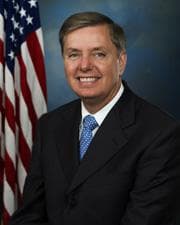
Lindsey Graham
Republican Senator
South Carolina
Cosponsors (5)
Foreign Relations Committee
- Introduced
- In Committee
- On Floor
- Passed Chamber
- Enacted
Defending American Security from Kremlin Aggression Act of 2018 This bill imposes limits on any U.S. withdrawal from the North Atlantic Treaty Organization (NATO), amends provisions related to cybercrimes, and imposes sanctions on Russian individuals involved in various activities. No funds may be used to withdraw the United States from NATO unless the Senate passes a resolution consenting to the withdrawal. The bill also authorizes expedited transfers of excess defense articles to NATO member countries. This bill establishes in the Department of State the Office of Cyberspace and the Digital Economy, to serve as the lead policy body on issues including international cybersecurity and Internet freedom. Offenses relating to the manufacture, distribution, and possession of communication-intercepting devices shall be unlawful under federal anti-money laundering laws. It shall also be a crime to intentionally traffic in the means to access protected computers, including computers that are part of a voting system. Property related to such crimes, including proceeds gained from the crime, shall be subject to criminal and civil forfeiture. The President shall impose sanctions (1) on Russian individuals and entities that facilitate or benefit from Russian President Vladimir Putin's corruption, and (2) on those that knowingly engage in significant financial transactions with individuals that support or facilitate Russian malicious cyber activities. The bill also imposes sanctions for supporting various other Russia-related activities, including Russian interference in democratic processes. The bill establishes requirements for reporting on a wide variety of matters concerning Russian economic, military, and political activities.
View Full TextSuggested Questions
Get AI-generated questions to help you understand this bill better
Timeline
Introduced in Senate
Read twice and referred to the Committee on Foreign Relations.
International Affairs
Advisory bodiesAlliancesArab-Israeli relationsArms control and nonproliferationAsiaChemical and biological weaponsCivil actions and liabilityCollective securityComputer security and identity theftConflicts and warsCongressional oversightCorporate finance and managementCrime preventionCrimes against propertyCriminal investigation, prosecution, interrogationCriminal procedure and sentencingDepartment of StateDiplomacy, foreign officials, Americans abroadEconomic performance and conditionsElections, voting, political campaign regulationEnergy storage, supplies, demandEuropeEuropean UnionEvidence and witnessesExecutive agency funding and structureFederal officialsForeign aid and international reliefForeign and international bankingForeign loans and debtFraud offenses and financial crimesGeorgia (Republic)Government ethics and transparency, public corruptionHuman rightsInfrastructure developmentIntelligence activities, surveillance, classified informationInternational exchange and broadcastingInternational law and treatiesInternational organizations and cooperationInternet and video servicesInternet, web applications, social mediaIranIsraelJudicial review and appealsLawyers and legal servicesLebanonLicensing and registrationsMiddle EastMilitary assistance, sales, and agreementsMilitary command and structureMoldovaNews media and reportingNuclear powerNuclear weaponsOil and gasPolitical parties and affiliationPresidents and presidential powers, Vice PresidentsProtest and dissentRefugees, asylum, displaced personsRule of law and government transparencyRussiaSanctionsSenateSovereignty, recognition, national governance and statusSubversive activitiesSyriaTechnology transfer and commercializationTelevision and filmTerrorismTrade restrictionsTravel and tourismUkraineUnited NationsU.S. and foreign investmentsVisas and passportsWar crimes, genocide, crimes against humanity
A bill to strengthen the North Atlantic Treaty Organization, to combat international cybercrime, and to impose additional sanctions with respect to the Russian Federation, and for other purposes.
USA115th CongressS-3336| Senate
| Updated: 8/1/2018
Defending American Security from Kremlin Aggression Act of 2018 This bill imposes limits on any U.S. withdrawal from the North Atlantic Treaty Organization (NATO), amends provisions related to cybercrimes, and imposes sanctions on Russian individuals involved in various activities. No funds may be used to withdraw the United States from NATO unless the Senate passes a resolution consenting to the withdrawal. The bill also authorizes expedited transfers of excess defense articles to NATO member countries. This bill establishes in the Department of State the Office of Cyberspace and the Digital Economy, to serve as the lead policy body on issues including international cybersecurity and Internet freedom. Offenses relating to the manufacture, distribution, and possession of communication-intercepting devices shall be unlawful under federal anti-money laundering laws. It shall also be a crime to intentionally traffic in the means to access protected computers, including computers that are part of a voting system. Property related to such crimes, including proceeds gained from the crime, shall be subject to criminal and civil forfeiture. The President shall impose sanctions (1) on Russian individuals and entities that facilitate or benefit from Russian President Vladimir Putin's corruption, and (2) on those that knowingly engage in significant financial transactions with individuals that support or facilitate Russian malicious cyber activities. The bill also imposes sanctions for supporting various other Russia-related activities, including Russian interference in democratic processes. The bill establishes requirements for reporting on a wide variety of matters concerning Russian economic, military, and political activities.
View Full TextSuggested Questions
Get AI-generated questions to help you understand this bill better
Timeline
Introduced in Senate
Read twice and referred to the Committee on Foreign Relations.
Lindsey Graham
Republican Senator
South Carolina
Cosponsors (5)
Foreign Relations Committee
International Affairs
Related Bills
- S 115-3288: A bill to amend title 18, United States Code, to provide the Department of Justice needed legal authorities to combat cybercrime, including state sponsored cybercrime, and for other purposes.
- S 115-3311: A bill to amend title 18, United States Code, to prohibit interference with voting systems under the Computer Fraud and Abuse Act.
- Introduced
- In Committee
- On Floor
- Passed Chamber
- Enacted
Advisory bodiesAlliancesArab-Israeli relationsArms control and nonproliferationAsiaChemical and biological weaponsCivil actions and liabilityCollective securityComputer security and identity theftConflicts and warsCongressional oversightCorporate finance and managementCrime preventionCrimes against propertyCriminal investigation, prosecution, interrogationCriminal procedure and sentencingDepartment of StateDiplomacy, foreign officials, Americans abroadEconomic performance and conditionsElections, voting, political campaign regulationEnergy storage, supplies, demandEuropeEuropean UnionEvidence and witnessesExecutive agency funding and structureFederal officialsForeign aid and international reliefForeign and international bankingForeign loans and debtFraud offenses and financial crimesGeorgia (Republic)Government ethics and transparency, public corruptionHuman rightsInfrastructure developmentIntelligence activities, surveillance, classified informationInternational exchange and broadcastingInternational law and treatiesInternational organizations and cooperationInternet and video servicesInternet, web applications, social mediaIranIsraelJudicial review and appealsLawyers and legal servicesLebanonLicensing and registrationsMiddle EastMilitary assistance, sales, and agreementsMilitary command and structureMoldovaNews media and reportingNuclear powerNuclear weaponsOil and gasPolitical parties and affiliationPresidents and presidential powers, Vice PresidentsProtest and dissentRefugees, asylum, displaced personsRule of law and government transparencyRussiaSanctionsSenateSovereignty, recognition, national governance and statusSubversive activitiesSyriaTechnology transfer and commercializationTelevision and filmTerrorismTrade restrictionsTravel and tourismUkraineUnited NationsU.S. and foreign investmentsVisas and passportsWar crimes, genocide, crimes against humanity