Nuclear Energy Innovation and Modernization Act
USA115th CongressS-512| Senate
| Updated: 1/14/2019
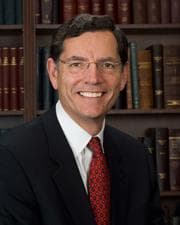
John Barrasso
Republican Senator
Wyoming
Cosponsors (18)
Tammy Duckworth (Democratic)James E. Risch (Republican)Christopher A. Coons (Democratic)Jeff Flake (Republican)Orrin G. Hatch (Republican)Thomas R. Carper (Democratic)James M. Inhofe (Republican)Robert P. Casey (Democratic)Sheldon Whitehouse (Democratic)Joe Manchin (Independent)Mike Rounds (Republican)John Kennedy (Republican)Deb Fischer (Republican)John Cornyn (Republican)Cory A. Booker (Democratic)Gary C. Peters (Democratic)Mike Crapo (Republican)Shelley Moore Capito (Republican)
Environment and Public Works Committee
- Introduced
- In Committee
- On Floor
- Passed Chamber
- Enacted
Nuclear Energy Innovation and Modernization Act This bill revises the budget and fee structure of the Nuclear Regulatory Commission (NRC) and requires the NRC to develop new processes for licensing nuclear reactors, including staged licensing of advanced nuclear reactors. TITLE I--ADVANCED NUCLEAR REACTORS AND USER FEES (Sec. 101) The bill amends the Omnibus Budget Reconciliation Act of 1990 to remove amounts appropriated for the development of regulations for advanced nuclear reactor technologies from the amount the NRC must recover through fees. (Sec. 102) Effective FY2021, the bill: excludes additional amounts from the amount the NRC must recover through fees, including amounts for research and development at universities; directs the NRC to collect fees equal to its budget authority, less excluded amounts; limits NRC's spending on corporate support costs; and places a cap on the amount of the annual fee that may be charged to an operating reactor, which the NRC may waive if the cap compromises the NRC's safety and security mission. Performance metrics and milestone schedules must be developed for activities requested by applicants and licensees. In addition, the NRC must implement processes to ensure accurate invoicing. (Sec. 103) For commercial advanced nuclear reactors, the NRC must (1) establish stages within the licensing process; (2) increase the use of risk-informed, performance-based licensing evaluation techniques and guidance; and (3) establish by the end of 2027 a technology-inclusive regulatory framework that encourages greater technological innovation. The NRC must develop research and test reactor licensing. The NRC is also directed to train staff and develop the expertise required to implement the new licensing processes. The NRC must report to Congress on (1) the implementation of stages in the advanced reactor licensing process, and (2) the use of risk-informed and performance-based techniques within the existing regulatory framework. (Sec. 104) The NRC must publish any necessary revisions to the guidance on the examination schedule for baffle-former bolts in certain reactors. (Sec. 105) The NRC must submit to Congress a report describing the actions it has taken, or plans to take, to consider lessons learned from recent disasters regarding directed or spontaneous evacuations in densely populated urban and suburban areas. (Sec. 106) The bill increases the percentage of operating costs that research reactors are allowed to recover from 50% to 75%, with up to 50% coming from energy sales. (Sec. 107) The NRC must submit to Congress a report describing the status of the licensing process for accident tolerant fuel. (Accident tolerant fuel is a new technology that makes an existing commercial nuclear reactor more resistant to a nuclear incident and lowers the cost of electricity over the licensed lifetime of a reactor.) (Sec. 108) The NRC must submit to Congress a report on the best practices for establishing and operating local community advisory boards. (Sec. 109) The NRC must submit to Congress a report on actions it is taking to address the appearance of workplace reprisals. TITLE II--URANIUM (Sec. 201) The NRC must (1) report to Congress on the duration of uranium recovery licenses and recommendations to improve the efficiency and transparency of uranium recovery licensing, and (2) complete a voluntary pilot program to determine the feasibility of establishing a flat fee structure for routine licensing matters relating to uranium recovery.
Suggested Questions
Get AI-generated questions to help you understand this bill better
Timeline
Introduced in Senate
Read twice and referred to the Committee on Environment and Public Works.
Committee on Environment and Public Works. Hearings held. Hearings printed: S.Hrg. 115-52.
Committee on Environment and Public Works. Ordered to be reported with an amendment in the nature of a substitute favorably.
Committee on Environment and Public Works. Reported by Senator Barrasso with an amendment in the nature of a substitute. With written report No. 115-86. Additional views filed.
Placed on Senate Legislative Calendar under General Orders. Calendar No. 108.
An errata sheet on written report number No. 115-86 was printed.
Passed Senate with an amendment by Voice Vote. (consideration: CR S7957-7962; text: CR S7962)
Passed/agreed to in Senate: Passed Senate with an amendment by Voice Vote.(consideration: CR S7957-7962; text: CR S7962)
Message on Senate action sent to the House.
Measure laid before Senate by unanimous consent.
The committee substitute withdrawn by Unanimous Consent.
Received in the House.
Held at the desk.
Mr. Kinzinger moved to suspend the rules and pass the bill.
Considered under suspension of the rules. (consideration: CR H10553-10558)
DEBATE - The House proceeded with forty minutes of debate on S. 512.
At the conclusion of debate, the Yeas and Nays were demanded and ordered. Pursuant to the provisions of clause 8, rule XX, the Chair announced that further proceedings on the motion would be postponed.
Considered as unfinished business. (consideration: CR H10577-10578)
On motion to suspend the rules and pass the bill Agreed to by the Yeas and Nays: (2/3 required): 361 - 10 (Roll no. 493). (text: CR H10553-10557)
View VoteMotion to reconsider laid on the table Agreed to without objection.
Presented to President.
Signed by President.
Became Public Law No: 115-439.
Energy
Administrative law and regulatory proceduresCongressional oversightDepartment of EnergyEmergency planning and evacuationEnergy researchExecutive agency funding and structureGovernment studies and investigationsLicensing and registrationsMiningNatural disastersNuclear powerNuclear Regulatory Commission (NRC)Performance measurementScientific communicationStrategic materials and reservesUser charges and fees
Nuclear Energy Innovation and Modernization Act
USA115th CongressS-512| Senate
| Updated: 1/14/2019
Nuclear Energy Innovation and Modernization Act This bill revises the budget and fee structure of the Nuclear Regulatory Commission (NRC) and requires the NRC to develop new processes for licensing nuclear reactors, including staged licensing of advanced nuclear reactors. TITLE I--ADVANCED NUCLEAR REACTORS AND USER FEES (Sec. 101) The bill amends the Omnibus Budget Reconciliation Act of 1990 to remove amounts appropriated for the development of regulations for advanced nuclear reactor technologies from the amount the NRC must recover through fees. (Sec. 102) Effective FY2021, the bill: excludes additional amounts from the amount the NRC must recover through fees, including amounts for research and development at universities; directs the NRC to collect fees equal to its budget authority, less excluded amounts; limits NRC's spending on corporate support costs; and places a cap on the amount of the annual fee that may be charged to an operating reactor, which the NRC may waive if the cap compromises the NRC's safety and security mission. Performance metrics and milestone schedules must be developed for activities requested by applicants and licensees. In addition, the NRC must implement processes to ensure accurate invoicing. (Sec. 103) For commercial advanced nuclear reactors, the NRC must (1) establish stages within the licensing process; (2) increase the use of risk-informed, performance-based licensing evaluation techniques and guidance; and (3) establish by the end of 2027 a technology-inclusive regulatory framework that encourages greater technological innovation. The NRC must develop research and test reactor licensing. The NRC is also directed to train staff and develop the expertise required to implement the new licensing processes. The NRC must report to Congress on (1) the implementation of stages in the advanced reactor licensing process, and (2) the use of risk-informed and performance-based techniques within the existing regulatory framework. (Sec. 104) The NRC must publish any necessary revisions to the guidance on the examination schedule for baffle-former bolts in certain reactors. (Sec. 105) The NRC must submit to Congress a report describing the actions it has taken, or plans to take, to consider lessons learned from recent disasters regarding directed or spontaneous evacuations in densely populated urban and suburban areas. (Sec. 106) The bill increases the percentage of operating costs that research reactors are allowed to recover from 50% to 75%, with up to 50% coming from energy sales. (Sec. 107) The NRC must submit to Congress a report describing the status of the licensing process for accident tolerant fuel. (Accident tolerant fuel is a new technology that makes an existing commercial nuclear reactor more resistant to a nuclear incident and lowers the cost of electricity over the licensed lifetime of a reactor.) (Sec. 108) The NRC must submit to Congress a report on the best practices for establishing and operating local community advisory boards. (Sec. 109) The NRC must submit to Congress a report on actions it is taking to address the appearance of workplace reprisals. TITLE II--URANIUM (Sec. 201) The NRC must (1) report to Congress on the duration of uranium recovery licenses and recommendations to improve the efficiency and transparency of uranium recovery licensing, and (2) complete a voluntary pilot program to determine the feasibility of establishing a flat fee structure for routine licensing matters relating to uranium recovery.
Suggested Questions
Get AI-generated questions to help you understand this bill better
Timeline
Introduced in Senate
Read twice and referred to the Committee on Environment and Public Works.
Committee on Environment and Public Works. Hearings held. Hearings printed: S.Hrg. 115-52.
Committee on Environment and Public Works. Ordered to be reported with an amendment in the nature of a substitute favorably.
Committee on Environment and Public Works. Reported by Senator Barrasso with an amendment in the nature of a substitute. With written report No. 115-86. Additional views filed.
Placed on Senate Legislative Calendar under General Orders. Calendar No. 108.
An errata sheet on written report number No. 115-86 was printed.
Passed Senate with an amendment by Voice Vote. (consideration: CR S7957-7962; text: CR S7962)
Passed/agreed to in Senate: Passed Senate with an amendment by Voice Vote.(consideration: CR S7957-7962; text: CR S7962)
Message on Senate action sent to the House.
Measure laid before Senate by unanimous consent.
The committee substitute withdrawn by Unanimous Consent.
Received in the House.
Held at the desk.
Mr. Kinzinger moved to suspend the rules and pass the bill.
Considered under suspension of the rules. (consideration: CR H10553-10558)
DEBATE - The House proceeded with forty minutes of debate on S. 512.
At the conclusion of debate, the Yeas and Nays were demanded and ordered. Pursuant to the provisions of clause 8, rule XX, the Chair announced that further proceedings on the motion would be postponed.
Considered as unfinished business. (consideration: CR H10577-10578)
On motion to suspend the rules and pass the bill Agreed to by the Yeas and Nays: (2/3 required): 361 - 10 (Roll no. 493). (text: CR H10553-10557)
View VoteMotion to reconsider laid on the table Agreed to without objection.
Presented to President.
Signed by President.
Became Public Law No: 115-439.
John Barrasso
Republican Senator
Wyoming
Cosponsors (18)
Tammy Duckworth (Democratic)James E. Risch (Republican)Christopher A. Coons (Democratic)Jeff Flake (Republican)Orrin G. Hatch (Republican)Thomas R. Carper (Democratic)James M. Inhofe (Republican)Robert P. Casey (Democratic)Sheldon Whitehouse (Democratic)Joe Manchin (Independent)Mike Rounds (Republican)John Kennedy (Republican)Deb Fischer (Republican)John Cornyn (Republican)Cory A. Booker (Democratic)Gary C. Peters (Democratic)Mike Crapo (Republican)Shelley Moore Capito (Republican)
Environment and Public Works Committee
Energy
- Introduced
- In Committee
- On Floor
- Passed Chamber
- Enacted
Administrative law and regulatory proceduresCongressional oversightDepartment of EnergyEmergency planning and evacuationEnergy researchExecutive agency funding and structureGovernment studies and investigationsLicensing and registrationsMiningNatural disastersNuclear powerNuclear Regulatory Commission (NRC)Performance measurementScientific communicationStrategic materials and reservesUser charges and fees