A bill to codify and modify regulatory requirements of Federal agencies.
USA115th CongressS-69| Senate
| Updated: 1/9/2017
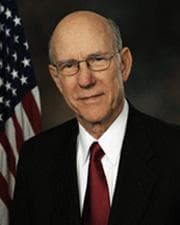
Pat Roberts
Republican Senator
Kansas
Cosponsors (5)
Homeland Security and Governmental Affairs Committee
- Introduced
- In Committee
- On Floor
- Passed Chamber
- Enacted
Regulatory Responsibility for our Economy Act of 2017 This bill sets forth general requirements for the federal regulatory system, including the protection of public health, welfare, safety, and the environment, the promotion of predictability in the regulatory process, and the consideration of benefits and costs of regulations. The bill requires federal agencies to: (1) propose or adopt regulations only upon a reasoned determination that the benefits of such regulations justify their costs; (2) tailor regulations to impose the least burden on society and to maximize economic and other benefits; (3) involve the public and parties affected by regulations in the regulatory process; (4) develop regulatory actions that promote innovation, flexibility, and objectivity; and (5) consider methods to promote retrospective analysis of rules that may be outmoded, ineffective, insufficient, or excessively burdensome, and develop plans for reviewing on a periodic basis significant regulation actions (i.e., those having an annual effect on the economy of $100 million or more or otherwise adversely affecting the economy). The bill provides for judicial review of any agency action required under this bill.
View Full TextSuggested Questions
Get AI-generated questions to help you understand this bill better
Timeline
Introduced in Senate
Read twice and referred to the Committee on Homeland Security and Governmental Affairs.
Government Operations and Politics
Administrative law and regulatory proceduresCongressional oversightEconomic performance and conditionsJudicial review and appealsPublic participation and lobbying
A bill to codify and modify regulatory requirements of Federal agencies.
USA115th CongressS-69| Senate
| Updated: 1/9/2017
Regulatory Responsibility for our Economy Act of 2017 This bill sets forth general requirements for the federal regulatory system, including the protection of public health, welfare, safety, and the environment, the promotion of predictability in the regulatory process, and the consideration of benefits and costs of regulations. The bill requires federal agencies to: (1) propose or adopt regulations only upon a reasoned determination that the benefits of such regulations justify their costs; (2) tailor regulations to impose the least burden on society and to maximize economic and other benefits; (3) involve the public and parties affected by regulations in the regulatory process; (4) develop regulatory actions that promote innovation, flexibility, and objectivity; and (5) consider methods to promote retrospective analysis of rules that may be outmoded, ineffective, insufficient, or excessively burdensome, and develop plans for reviewing on a periodic basis significant regulation actions (i.e., those having an annual effect on the economy of $100 million or more or otherwise adversely affecting the economy). The bill provides for judicial review of any agency action required under this bill.
View Full TextSuggested Questions
Get AI-generated questions to help you understand this bill better
Timeline
Introduced in Senate
Read twice and referred to the Committee on Homeland Security and Governmental Affairs.
Pat Roberts
Republican Senator
Kansas
Cosponsors (5)
Homeland Security and Governmental Affairs Committee
Government Operations and Politics
- Introduced
- In Committee
- On Floor
- Passed Chamber
- Enacted
Administrative law and regulatory proceduresCongressional oversightEconomic performance and conditionsJudicial review and appealsPublic participation and lobbying