Horseracing Integrity and Safety Act of 2020
USA116th CongressHR-1754| House
| Updated: 9/30/2020
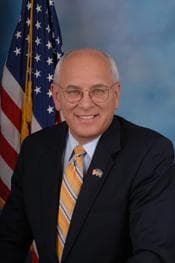
Paul Tonko
Democratic Representative
New York
Cosponsors (250)
Brenda L. Lawrence (Democratic)David Schweikert (Republican)Al Lawson (Democratic)Kim Schrier (Democratic)Donald Norcross (Democratic)David Loebsack (Democratic)Val Butler Demings (Democratic)Marcy Kaptur (Democratic)John Katko (Republican)Elise M. Stefanik (Republican)John Garamendi (Democratic)Gilbert Ray Cisneros (Democratic)Sylvia R. Garcia (Democratic)Ruben Gallego (Democratic)Chris Pappas (Democratic)Jared Huffman (Democratic)Marc A. Veasey (Democratic)Adam B. Schiff (Democratic)Barbara Lee (Democratic)Xochitl Torres Small (Democratic)Mikie Sherrill (Democratic)Nita M. Lowey (Democratic)Joseph P. Kennedy (Democratic)Raúl M. Grijalva (Democratic)Tom Malinowski (Democratic)Stephanie N. Murphy (Democratic)Mark Pocan (Democratic)Karen Bass (Democratic)Peter T. King (Republican)James R. Langevin (Democratic)Joyce Beatty (Democratic)Ben McAdams (Democratic)Andy Harris (Republican)David N. Cicilline (Democratic)Lee M. Zeldin (Republican)David J. Trone (Democratic)Ed Case (Democratic)Emanuel Cleaver (Democratic)Brian Higgins (Democratic)Chrissy Houlahan (Democratic)Jackie Speier (Democratic)Kathleen M. Rice (Democratic)Darren Soto (Democratic)Raul Ruiz (Democratic)Sheila Jackson Lee (Democratic)Warren Davidson (Republican)Derek Kilmer (Democratic)Ben Ray Luján (Democratic)Carolyn B. Maloney (Democratic)Bill Foster (Democratic)Debra A. Haaland (Democratic)Max Rose (Democratic)Joe Courtney (Democratic)Lance Gooden (Republican)Sanford D. Bishop (Democratic)C. A. Dutch Ruppersberger (Democratic)Ilhan Omar (Democratic)Pete Aguilar (Democratic)Eliot L. Engel (Democratic)David Scott (Democratic)Frederica S. Wilson (Democratic)Juan Vargas (Democratic)Bobby L. Rush (Democratic)Jackie Walorski (Republican)Gregorio Kilili Camacho Sablan (Democratic)Andy Levin (Democratic)Ken Buck (Republican)Paul Cook (Republican)Jimmy Panetta (Democratic)J. Luis Correa (Democratic)Eric Swalwell (Democratic)Dina Titus (Democratic)Michael F. Doyle (Democratic)David Rouzer (Republican)John R. Curtis (Republican)Debbie Dingell (Democratic)Madeleine Dean (Democratic)Katherine M. Clark (Democratic)Steve Cohen (Democratic)Tony Cárdenas (Democratic)Susan A. Davis (Democratic)Suzan K. DelBene (Democratic)Jennifer Wexton (Democratic)Scott H. Peters (Democratic)Angie Craig (Democratic)Donald M. Payne (Democratic)Thomas R. Suozzi (Democratic)John P. Sarbanes (Democratic)Earl L. "Buddy" Carter (Republican)Wm. Lacy Clay (Democratic)Rosa L. DeLauro (Democratic)Haley M. Stevens (Democratic)Anthony G. Brown (Democratic)Adriano Espaillat (Democratic)Danny K. Davis (Democratic)Michael Waltz (Republican)Lucille Roybal-Allard (Democratic)Ken Calvert (Republican)Peter A. DeFazio (Democratic)Daniel T. Kildee (Democratic)Scott Perry (Republican)Ro Khanna (Democratic)A. Donald McEachin (Democratic)Greg Stanton (Democratic)Alan S. Lowenthal (Democratic)Ann M. Kuster (Democratic)Gus M. Bilirakis (Republican)Sean Patrick Maloney (Democratic)Henry C. "Hank" Johnson (Democratic)Daniel Meuser (Republican)Al Green (Democratic)André Carson (Democratic)Brendan F. Boyle (Democratic)Andy Barr (Republican)Christopher H. Smith (Republican)Matt Cartwright (Democratic)John B. Larson (Democratic)David P. Joyce (Republican)Fred Upton (Republican)Stephen F. Lynch (Democratic)Carol D. Miller (Republican)Mark DeSaulnier (Democratic)Harley Rouda (Democratic)Jim Cooper (Democratic)Joseph D. Morelle (Democratic)Joe Cunningham (Democratic)G. K. Butterfield (Democratic)Elaine G. Luria (Democratic)Rodney Davis (Republican)Richard Hudson (Republican)Doris O. Matsui (Democratic)Gregory W. Meeks (Democratic)Jahana Hayes (Democratic)David E. Price (Democratic)Hakeem S. Jeffries (Democratic)Raja Krishnamoorthi (Democratic)Marcia L. Fudge (Democratic)James A. Himes (Democratic)Jerrold Nadler (Democratic)Theodore E. Deutch (Democratic)Chris Collins (Republican)John Lewis (Democratic)Alma S. Adams (Democratic)Anna G. Eshoo (Democratic)Anthony Brindisi (Democratic)Ami Bera (Democratic)Ron Estes (Republican)Josh Harder (Democratic)Mark Takano (Democratic)W. Gregory Steube (Republican)Lucy McBath (Democratic)Pramila Jayapal (Democratic)Kathy Castor (Democratic)Betty McCollum (Democratic)Rob Woodall (Republican)Eleanor Holmes Norton (Democratic)Trey Hollingsworth (Republican)James Comer (Republican)Sharice Davids (Democratic)Brad Sherman (Democratic)Bonnie Watson Coleman (Democratic)Mary Gay Scanlon (Democratic)Denny Heck (Democratic)Daniel Lipinski (Democratic)Richard E. Neal (Democratic)Norma J. Torres (Democratic)Antonio Delgado (Democratic)Conor Lamb (Democratic)Abby Finkenauer (Democratic)Tulsi Gabbard (Democratic)Salud O. Carbajal (Democratic)Jamie Raskin (Democratic)Elijah E. Cummings (Democratic)Joe Neguse (Democratic)Mike Quigley (Democratic)Cynthia Axne (Democratic)Lois Frankel (Democratic)Donald S. Beyer (Democratic)Sean Casten (Democratic)Aumua Amata Coleman Radewagen (Republican)Debbie Mucarsel-Powell (Democratic)Diana DeGette (Democratic)Janice D. Schakowsky (Democratic)Pete Stauber (Republican)Andy Kim (Democratic)James P. McGovern (Democratic)Maxine Waters (Democratic)Ted S. Yoho (Republican)Adam Smith (Democratic)Ron Kind (Democratic)Nydia M. Velázquez (Democratic)Julia Brownley (Democratic)William R. Keating (Democratic)Jerry McNerney (Democratic)Steve Watkins (Republican)Yvette D. Clarke (Democratic)Bradley Byrne (Republican)Rick Larsen (Democratic)Jose E. Serrano (Democratic)Albio Sires (Democratic)Cedric L. Richmond (Democratic)Brian K. Fitzpatrick (Republican)Colin Z. Allred (Democratic)Earl Blumenauer (Democratic)Matt Gaetz (Republican)Tom Reed (Republican)Lori Trahan (Democratic)TJ Cox (Democratic)Charlie Crist (Democratic)Mike Thompson (Democratic)Elissa Slotkin (Democratic)Bill Posey (Republican)Suzanne Bonamici (Democratic)Susan W. Brooks (Republican)Lizzie Fletcher (Democratic)Josh Gottheimer (Democratic)Linda T. Sánchez (Democratic)Ed Perlmutter (Democratic)Scott R. Tipton (Republican)Nanette Diaz Barragán (Democratic)Jesús G. "Chuy" García (Democratic)Donna E. Shalala (Democratic)Jason Crow (Democratic)Gwen Moore (Democratic)Jimmy Gomez (Democratic)Grace Meng (Democratic)Cheri Bustos (Democratic)Rashida Tlaib (Democratic)Bradley Scott Schneider (Democratic)Ayanna Pressley (Democratic)Alcee L. Hastings (Democratic)Veronica Escobar (Democratic)Ted Budd (Republican)Lloyd Doggett (Democratic)Debbie Wasserman Schultz (Democratic)Gerald E. Connolly (Democratic)Lauren Underwood (Democratic)Chellie Pingree (Democratic)Bill Pascrell (Democratic)Patrick T. McHenry (Republican)Duncan D. Hunter (Republican)Grace F. Napolitano (Democratic)Katie Porter (Democratic)Susan Wild (Democratic)Bryan Steil (Republican)Mike Levin (Democratic)Fred Keller (Republican)Francis Rooney (Republican)Vern Buchanan (Republican)Judy Chu (Democratic)
Commerce, Manufacturing, and Trade Subcommittee, Energy and Commerce Committee
- Introduced
- In Committee
- On Floor
- Passed Chamber
- Enacted
Horseracing Integrity and Safety Act of 2020 This bill recognizes the Horseracing Integrity and Safety Authority for purposes of developing and implementing a horseracing anti-doping and medication control program and a racetrack safety program. The authority shall establish an anti-doping and medication control standing committee and a racetrack safety standing committee to provide guidance to the authority on the development and maintenance of the programs. The Federal Trade Commission (FTC) shall have oversight over the authority. The authority shall submit to the FTC any proposed rule, standard, or procedure developed by the authority to carry out the horseracing anti-doping and medication control program or the racetrack safety program. The authority shall seek to enter into an agreement with the U.S. Anti-Doping Agency or an entity equal in qualification under which the entity acts as the anti-doping and medication control enforcement agency under this bill. Among the required elements of the horseracing safety program are sets of training and racing safety standards consistent with the humane treatment of horses, a system to maintain track surface quality, programs for injury and fatality analysis, investigation and disciplinary procedures, and an evaluation and accreditation program. The bill sets forth other provisions regarding (1) funding, conflicts of interest, and jurisdiction; (2) registration with the authority; (3) program enforcement; (4) rule violations and civil sanctions; (5) testing laboratories; (6) review of final decisions of the authority by an administrative law judge; (7) unfair or deceptive acts or practices; and (8) agreements with state racing commissions.
Suggested Questions
Get AI-generated questions to help you understand this bill better
Timeline
Introduced in House
Referred to the House Committee on Energy and Commerce.
Referred to the Subcommittee on Consumer Protection and Commerce.
Committee Consideration and Mark-up Session Held.
Ordered to be Reported (Amended) by the Yeas and Nays: 46 - 5.
Placed on the Union Calendar, Calendar No. 454.
Reported (Amended) by the Committee on Energy and Commerce. H. Rept. 116-554.
Mr. Pallone moved to suspend the rules and pass the bill, as amended.
Considered under suspension of the rules. (consideration: CR H4973-4983)
DEBATE - The House proceeded with forty minutes of debate on H.R. 1754.
Passed/agreed to in House: On motion to suspend the rules and pass the bill, as amended Agreed to by voice vote.
On motion to suspend the rules and pass the bill, as amended Agreed to by voice vote. (text: CR H4973-4980)
Motion to reconsider laid on the table Agreed to without objection.
Received in the Senate.
Sports and Recreation
Administrative law and regulatory proceduresAdministrative remediesAdvisory bodiesAnimal protection and human-animal relationshipsAthletesBusiness ethicsCivil actions and liabilityCongressional oversightDrug, alcohol, tobacco useDrug safety, medical device, and laboratory regulationDrug trafficking and controlled substancesFederal Trade Commission (FTC)Fraud offenses and financial crimesGamblingGovernment studies and investigationsHealth information and medical recordsIntergovernmental relationsMammalsMedical ethicsMedical researchMedical tests and diagnostic methodsProfessional sportsSports and recreation facilitiesState and local government operationsVeterinary medicine and animal diseases
Horseracing Integrity and Safety Act of 2020
USA116th CongressHR-1754| House
| Updated: 9/30/2020
Horseracing Integrity and Safety Act of 2020 This bill recognizes the Horseracing Integrity and Safety Authority for purposes of developing and implementing a horseracing anti-doping and medication control program and a racetrack safety program. The authority shall establish an anti-doping and medication control standing committee and a racetrack safety standing committee to provide guidance to the authority on the development and maintenance of the programs. The Federal Trade Commission (FTC) shall have oversight over the authority. The authority shall submit to the FTC any proposed rule, standard, or procedure developed by the authority to carry out the horseracing anti-doping and medication control program or the racetrack safety program. The authority shall seek to enter into an agreement with the U.S. Anti-Doping Agency or an entity equal in qualification under which the entity acts as the anti-doping and medication control enforcement agency under this bill. Among the required elements of the horseracing safety program are sets of training and racing safety standards consistent with the humane treatment of horses, a system to maintain track surface quality, programs for injury and fatality analysis, investigation and disciplinary procedures, and an evaluation and accreditation program. The bill sets forth other provisions regarding (1) funding, conflicts of interest, and jurisdiction; (2) registration with the authority; (3) program enforcement; (4) rule violations and civil sanctions; (5) testing laboratories; (6) review of final decisions of the authority by an administrative law judge; (7) unfair or deceptive acts or practices; and (8) agreements with state racing commissions.
Suggested Questions
Get AI-generated questions to help you understand this bill better
Timeline
Introduced in House
Referred to the House Committee on Energy and Commerce.
Referred to the Subcommittee on Consumer Protection and Commerce.
Committee Consideration and Mark-up Session Held.
Ordered to be Reported (Amended) by the Yeas and Nays: 46 - 5.
Placed on the Union Calendar, Calendar No. 454.
Reported (Amended) by the Committee on Energy and Commerce. H. Rept. 116-554.
Mr. Pallone moved to suspend the rules and pass the bill, as amended.
Considered under suspension of the rules. (consideration: CR H4973-4983)
DEBATE - The House proceeded with forty minutes of debate on H.R. 1754.
Passed/agreed to in House: On motion to suspend the rules and pass the bill, as amended Agreed to by voice vote.
On motion to suspend the rules and pass the bill, as amended Agreed to by voice vote. (text: CR H4973-4980)
Motion to reconsider laid on the table Agreed to without objection.
Received in the Senate.
Paul Tonko
Democratic Representative
New York
Cosponsors (250)
Brenda L. Lawrence (Democratic)David Schweikert (Republican)Al Lawson (Democratic)Kim Schrier (Democratic)Donald Norcross (Democratic)David Loebsack (Democratic)Val Butler Demings (Democratic)Marcy Kaptur (Democratic)John Katko (Republican)Elise M. Stefanik (Republican)John Garamendi (Democratic)Gilbert Ray Cisneros (Democratic)Sylvia R. Garcia (Democratic)Ruben Gallego (Democratic)Chris Pappas (Democratic)Jared Huffman (Democratic)Marc A. Veasey (Democratic)Adam B. Schiff (Democratic)Barbara Lee (Democratic)Xochitl Torres Small (Democratic)Mikie Sherrill (Democratic)Nita M. Lowey (Democratic)Joseph P. Kennedy (Democratic)Raúl M. Grijalva (Democratic)Tom Malinowski (Democratic)Stephanie N. Murphy (Democratic)Mark Pocan (Democratic)Karen Bass (Democratic)Peter T. King (Republican)James R. Langevin (Democratic)Joyce Beatty (Democratic)Ben McAdams (Democratic)Andy Harris (Republican)David N. Cicilline (Democratic)Lee M. Zeldin (Republican)David J. Trone (Democratic)Ed Case (Democratic)Emanuel Cleaver (Democratic)Brian Higgins (Democratic)Chrissy Houlahan (Democratic)Jackie Speier (Democratic)Kathleen M. Rice (Democratic)Darren Soto (Democratic)Raul Ruiz (Democratic)Sheila Jackson Lee (Democratic)Warren Davidson (Republican)Derek Kilmer (Democratic)Ben Ray Luján (Democratic)Carolyn B. Maloney (Democratic)Bill Foster (Democratic)Debra A. Haaland (Democratic)Max Rose (Democratic)Joe Courtney (Democratic)Lance Gooden (Republican)Sanford D. Bishop (Democratic)C. A. Dutch Ruppersberger (Democratic)Ilhan Omar (Democratic)Pete Aguilar (Democratic)Eliot L. Engel (Democratic)David Scott (Democratic)Frederica S. Wilson (Democratic)Juan Vargas (Democratic)Bobby L. Rush (Democratic)Jackie Walorski (Republican)Gregorio Kilili Camacho Sablan (Democratic)Andy Levin (Democratic)Ken Buck (Republican)Paul Cook (Republican)Jimmy Panetta (Democratic)J. Luis Correa (Democratic)Eric Swalwell (Democratic)Dina Titus (Democratic)Michael F. Doyle (Democratic)David Rouzer (Republican)John R. Curtis (Republican)Debbie Dingell (Democratic)Madeleine Dean (Democratic)Katherine M. Clark (Democratic)Steve Cohen (Democratic)Tony Cárdenas (Democratic)Susan A. Davis (Democratic)Suzan K. DelBene (Democratic)Jennifer Wexton (Democratic)Scott H. Peters (Democratic)Angie Craig (Democratic)Donald M. Payne (Democratic)Thomas R. Suozzi (Democratic)John P. Sarbanes (Democratic)Earl L. "Buddy" Carter (Republican)Wm. Lacy Clay (Democratic)Rosa L. DeLauro (Democratic)Haley M. Stevens (Democratic)Anthony G. Brown (Democratic)Adriano Espaillat (Democratic)Danny K. Davis (Democratic)Michael Waltz (Republican)Lucille Roybal-Allard (Democratic)Ken Calvert (Republican)Peter A. DeFazio (Democratic)Daniel T. Kildee (Democratic)Scott Perry (Republican)Ro Khanna (Democratic)A. Donald McEachin (Democratic)Greg Stanton (Democratic)Alan S. Lowenthal (Democratic)Ann M. Kuster (Democratic)Gus M. Bilirakis (Republican)Sean Patrick Maloney (Democratic)Henry C. "Hank" Johnson (Democratic)Daniel Meuser (Republican)Al Green (Democratic)André Carson (Democratic)Brendan F. Boyle (Democratic)Andy Barr (Republican)Christopher H. Smith (Republican)Matt Cartwright (Democratic)John B. Larson (Democratic)David P. Joyce (Republican)Fred Upton (Republican)Stephen F. Lynch (Democratic)Carol D. Miller (Republican)Mark DeSaulnier (Democratic)Harley Rouda (Democratic)Jim Cooper (Democratic)Joseph D. Morelle (Democratic)Joe Cunningham (Democratic)G. K. Butterfield (Democratic)Elaine G. Luria (Democratic)Rodney Davis (Republican)Richard Hudson (Republican)Doris O. Matsui (Democratic)Gregory W. Meeks (Democratic)Jahana Hayes (Democratic)David E. Price (Democratic)Hakeem S. Jeffries (Democratic)Raja Krishnamoorthi (Democratic)Marcia L. Fudge (Democratic)James A. Himes (Democratic)Jerrold Nadler (Democratic)Theodore E. Deutch (Democratic)Chris Collins (Republican)John Lewis (Democratic)Alma S. Adams (Democratic)Anna G. Eshoo (Democratic)Anthony Brindisi (Democratic)Ami Bera (Democratic)Ron Estes (Republican)Josh Harder (Democratic)Mark Takano (Democratic)W. Gregory Steube (Republican)Lucy McBath (Democratic)Pramila Jayapal (Democratic)Kathy Castor (Democratic)Betty McCollum (Democratic)Rob Woodall (Republican)Eleanor Holmes Norton (Democratic)Trey Hollingsworth (Republican)James Comer (Republican)Sharice Davids (Democratic)Brad Sherman (Democratic)Bonnie Watson Coleman (Democratic)Mary Gay Scanlon (Democratic)Denny Heck (Democratic)Daniel Lipinski (Democratic)Richard E. Neal (Democratic)Norma J. Torres (Democratic)Antonio Delgado (Democratic)Conor Lamb (Democratic)Abby Finkenauer (Democratic)Tulsi Gabbard (Democratic)Salud O. Carbajal (Democratic)Jamie Raskin (Democratic)Elijah E. Cummings (Democratic)Joe Neguse (Democratic)Mike Quigley (Democratic)Cynthia Axne (Democratic)Lois Frankel (Democratic)Donald S. Beyer (Democratic)Sean Casten (Democratic)Aumua Amata Coleman Radewagen (Republican)Debbie Mucarsel-Powell (Democratic)Diana DeGette (Democratic)Janice D. Schakowsky (Democratic)Pete Stauber (Republican)Andy Kim (Democratic)James P. McGovern (Democratic)Maxine Waters (Democratic)Ted S. Yoho (Republican)Adam Smith (Democratic)Ron Kind (Democratic)Nydia M. Velázquez (Democratic)Julia Brownley (Democratic)William R. Keating (Democratic)Jerry McNerney (Democratic)Steve Watkins (Republican)Yvette D. Clarke (Democratic)Bradley Byrne (Republican)Rick Larsen (Democratic)Jose E. Serrano (Democratic)Albio Sires (Democratic)Cedric L. Richmond (Democratic)Brian K. Fitzpatrick (Republican)Colin Z. Allred (Democratic)Earl Blumenauer (Democratic)Matt Gaetz (Republican)Tom Reed (Republican)Lori Trahan (Democratic)TJ Cox (Democratic)Charlie Crist (Democratic)Mike Thompson (Democratic)Elissa Slotkin (Democratic)Bill Posey (Republican)Suzanne Bonamici (Democratic)Susan W. Brooks (Republican)Lizzie Fletcher (Democratic)Josh Gottheimer (Democratic)Linda T. Sánchez (Democratic)Ed Perlmutter (Democratic)Scott R. Tipton (Republican)Nanette Diaz Barragán (Democratic)Jesús G. "Chuy" García (Democratic)Donna E. Shalala (Democratic)Jason Crow (Democratic)Gwen Moore (Democratic)Jimmy Gomez (Democratic)Grace Meng (Democratic)Cheri Bustos (Democratic)Rashida Tlaib (Democratic)Bradley Scott Schneider (Democratic)Ayanna Pressley (Democratic)Alcee L. Hastings (Democratic)Veronica Escobar (Democratic)Ted Budd (Republican)Lloyd Doggett (Democratic)Debbie Wasserman Schultz (Democratic)Gerald E. Connolly (Democratic)Lauren Underwood (Democratic)Chellie Pingree (Democratic)Bill Pascrell (Democratic)Patrick T. McHenry (Republican)Duncan D. Hunter (Republican)Grace F. Napolitano (Democratic)Katie Porter (Democratic)Susan Wild (Democratic)Bryan Steil (Republican)Mike Levin (Democratic)Fred Keller (Republican)Francis Rooney (Republican)Vern Buchanan (Republican)Judy Chu (Democratic)
Commerce, Manufacturing, and Trade Subcommittee, Energy and Commerce Committee
Sports and Recreation
Related Bills
- Introduced
- In Committee
- On Floor
- Passed Chamber
- Enacted
Administrative law and regulatory proceduresAdministrative remediesAdvisory bodiesAnimal protection and human-animal relationshipsAthletesBusiness ethicsCivil actions and liabilityCongressional oversightDrug, alcohol, tobacco useDrug safety, medical device, and laboratory regulationDrug trafficking and controlled substancesFederal Trade Commission (FTC)Fraud offenses and financial crimesGamblingGovernment studies and investigationsHealth information and medical recordsIntergovernmental relationsMammalsMedical ethicsMedical researchMedical tests and diagnostic methodsProfessional sportsSports and recreation facilitiesState and local government operationsVeterinary medicine and animal diseases