Employee Rights Act
USA116th CongressHR-1855| House
| Updated: 3/25/2019
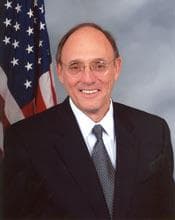
David P. Roe
Republican Representative
Tennessee
Cosponsors (35)
Dusty Johnson (Republican)Adrian Smith (Republican)Tom Cole (Republican)Mike Johnson (Republican)Brett Guthrie (Republican)Jim Banks (Republican)Andy Harris (Republican)Warren Davidson (Republican)Rick W. Allen (Republican)Brad R. Wenstrup (Republican)Tom McClintock (Republican)David Rouzer (Republican)Scott Perry (Republican)Kenny Marchant (Republican)Paul Mitchell (Independent)Jody B. Hice (Republican)Joe Wilson (Republican)Doug Lamborn (Republican)Tom Rice (Republican)Mike D. Rogers (Republican)John Joyce (Republican)Kelly Armstrong (Republican)John H. Rutherford (Republican)Charles J. "Chuck" Fleischmann (Republican)James Comer (Republican)Mark Walker (Republican)Scott DesJarlais (Republican)Ted S. Yoho (Republican)Ron Wright (Republican)Steve Watkins (Republican)Bradley Byrne (Republican)Virginia Foxx (Republican)K. Michael Conaway (Republican)Ted Budd (Republican)Francis Rooney (Republican)
Education and Workforce Committee
- Introduced
- In Committee
- On Floor
- Passed Chamber
- Enacted
Employee Rights Act This bill amends the National Labor Relations Act to (1) make it an unlawful labor practice for a labor organization to interfere (currently, also restrain or coerce) with the rights of employees to organize and collectively bargain; (2) require union recertification after a turnover in the workforce exceeding 50% of the bargaining unit; (3) require the National Labor Relations Board (NLRB) to give 14 days advance notice before a hearing investigating an election petition; and (4) require an employer to provide the NLRB with a list consisting only of employee names and addresses of all eligible voters within seven days after an NLRB determination of the appropriate bargaining unit or an agreement on eligible voters. The bill (1) grants union and nonunion employees the right to vote by secret ballot on whether to ratify a collective bargaining agreement or engage in a strike, (2) prohibits the use of union dues for any purpose not directly related to collective bargaining, (3) prohibits a strike without the consent of a majority of all represented employees determined by secret ballot, and (4) prohibits the use or threat of force or violence to obtain the right to represent employees. .
View Full TextSuggested Questions
Get AI-generated questions to help you understand this bill better
Timeline
Introduced in House
Referred to the House Committee on Education and Labor.
Labor and Employment
Accounting and auditingBusiness recordsEmployment discrimination and employee rightsLabor-management relationsOrganized crimeViolent crime
Employee Rights Act
USA116th CongressHR-1855| House
| Updated: 3/25/2019
Employee Rights Act This bill amends the National Labor Relations Act to (1) make it an unlawful labor practice for a labor organization to interfere (currently, also restrain or coerce) with the rights of employees to organize and collectively bargain; (2) require union recertification after a turnover in the workforce exceeding 50% of the bargaining unit; (3) require the National Labor Relations Board (NLRB) to give 14 days advance notice before a hearing investigating an election petition; and (4) require an employer to provide the NLRB with a list consisting only of employee names and addresses of all eligible voters within seven days after an NLRB determination of the appropriate bargaining unit or an agreement on eligible voters. The bill (1) grants union and nonunion employees the right to vote by secret ballot on whether to ratify a collective bargaining agreement or engage in a strike, (2) prohibits the use of union dues for any purpose not directly related to collective bargaining, (3) prohibits a strike without the consent of a majority of all represented employees determined by secret ballot, and (4) prohibits the use or threat of force or violence to obtain the right to represent employees. .
View Full TextSuggested Questions
Get AI-generated questions to help you understand this bill better
Timeline
Introduced in House
Referred to the House Committee on Education and Labor.
David P. Roe
Republican Representative
Tennessee
Cosponsors (35)
Dusty Johnson (Republican)Adrian Smith (Republican)Tom Cole (Republican)Mike Johnson (Republican)Brett Guthrie (Republican)Jim Banks (Republican)Andy Harris (Republican)Warren Davidson (Republican)Rick W. Allen (Republican)Brad R. Wenstrup (Republican)Tom McClintock (Republican)David Rouzer (Republican)Scott Perry (Republican)Kenny Marchant (Republican)Paul Mitchell (Independent)Jody B. Hice (Republican)Joe Wilson (Republican)Doug Lamborn (Republican)Tom Rice (Republican)Mike D. Rogers (Republican)John Joyce (Republican)Kelly Armstrong (Republican)John H. Rutherford (Republican)Charles J. "Chuck" Fleischmann (Republican)James Comer (Republican)Mark Walker (Republican)Scott DesJarlais (Republican)Ted S. Yoho (Republican)Ron Wright (Republican)Steve Watkins (Republican)Bradley Byrne (Republican)Virginia Foxx (Republican)K. Michael Conaway (Republican)Ted Budd (Republican)Francis Rooney (Republican)
Education and Workforce Committee
Labor and Employment
- Introduced
- In Committee
- On Floor
- Passed Chamber
- Enacted
Accounting and auditingBusiness recordsEmployment discrimination and employee rightsLabor-management relationsOrganized crimeViolent crime