HOMES Act
USA116th CongressHR-2043| House
| Updated: 4/10/2019
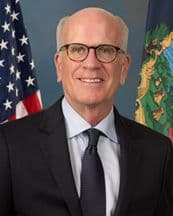
Peter Welch
Democratic Representative
Vermont
Cosponsors (1)
Ways and Means Committee, Energy Subcommittee, Energy and Commerce Committee
- Introduced
- In Committee
- On Floor
- Passed Chamber
- Enacted
Home Owner Managing Energy Savings Act of 2019 or the HOMES Act This bill provides incentives for homeowners to invest in energy efficiency improvements. Specifically, the Department of Energy (DOE) must establish the Home Energy Savings Retrofit Rebate Program. Under the program, DOE must provide rebates to reward homeowners for achieving home energy savings. Rebates may not exceed $10,000 per individual, or 50% of the qualified home energy efficiency expenditures paid or incurred by the homeowner. DOE must develop a network of rebate aggregators or a national rebate aggregator that can facilitate the delivery of rebates to reimburse participating homeowners or contractors. In addition, DOE must develop guidelines for allowing utilities participating as rebate aggregators to count the energy savings from their participation toward state and local level energy saving targets. This bill provides for the tax treatment of rebates, including an exclusion of such rebates from the taxable income of the homeowner. DOE must also make grants to states, Native American tribes, and Alaska Natives for carrying the programs established by this bill, including the development of quality assurance programs to oversee the delivery of home efficiency retrofit programs. Finally, DOE must establish a Residential Energy Efficiency Pay for Performance pilot program to encourage the use of measured energy savings, and financial payments for those energy savings, in the operation of residential energy efficiency programs.
View Full TextSuggested Questions
Get AI-generated questions to help you understand this bill better
Timeline
Introduced in House
Referred to the Committee on Energy and Commerce, and in addition to the Committee on Ways and Means, for a period to be subsequently determined by the Speaker, in each case for consideration of such provisions as fall within the jurisdiction of the committee concerned.
Referred to the Subcommittee on Energy.
Subcommittee Hearings Held.
Energy
Administrative law and regulatory proceduresComputers and information technologyContracts and agencyDepartment of EnergyEmployment and training programsEnergy efficiency and conservationEnvironmental technologyGovernment information and archivesHousing and community development fundingLicensing and registrationsLighting, heating, coolingMinority and disadvantaged businessesPerformance measurementPublic contracts and procurementPublic-private cooperationResidential rehabilitation and home repairState and local government operationsWomen in business
HOMES Act
USA116th CongressHR-2043| House
| Updated: 4/10/2019
Home Owner Managing Energy Savings Act of 2019 or the HOMES Act This bill provides incentives for homeowners to invest in energy efficiency improvements. Specifically, the Department of Energy (DOE) must establish the Home Energy Savings Retrofit Rebate Program. Under the program, DOE must provide rebates to reward homeowners for achieving home energy savings. Rebates may not exceed $10,000 per individual, or 50% of the qualified home energy efficiency expenditures paid or incurred by the homeowner. DOE must develop a network of rebate aggregators or a national rebate aggregator that can facilitate the delivery of rebates to reimburse participating homeowners or contractors. In addition, DOE must develop guidelines for allowing utilities participating as rebate aggregators to count the energy savings from their participation toward state and local level energy saving targets. This bill provides for the tax treatment of rebates, including an exclusion of such rebates from the taxable income of the homeowner. DOE must also make grants to states, Native American tribes, and Alaska Natives for carrying the programs established by this bill, including the development of quality assurance programs to oversee the delivery of home efficiency retrofit programs. Finally, DOE must establish a Residential Energy Efficiency Pay for Performance pilot program to encourage the use of measured energy savings, and financial payments for those energy savings, in the operation of residential energy efficiency programs.
View Full TextSuggested Questions
Get AI-generated questions to help you understand this bill better
Timeline
Introduced in House
Referred to the Committee on Energy and Commerce, and in addition to the Committee on Ways and Means, for a period to be subsequently determined by the Speaker, in each case for consideration of such provisions as fall within the jurisdiction of the committee concerned.
Referred to the Subcommittee on Energy.
Subcommittee Hearings Held.
Peter Welch
Democratic Representative
Vermont
Cosponsors (1)
Ways and Means Committee, Energy Subcommittee, Energy and Commerce Committee
Energy
- Introduced
- In Committee
- On Floor
- Passed Chamber
- Enacted
Administrative law and regulatory proceduresComputers and information technologyContracts and agencyDepartment of EnergyEmployment and training programsEnergy efficiency and conservationEnvironmental technologyGovernment information and archivesHousing and community development fundingLicensing and registrationsLighting, heating, coolingMinority and disadvantaged businessesPerformance measurementPublic contracts and procurementPublic-private cooperationResidential rehabilitation and home repairState and local government operationsWomen in business