An Act Targeting Resources to Communities in Need
USA116th CongressHR-2055| House
| Updated: 5/15/2019
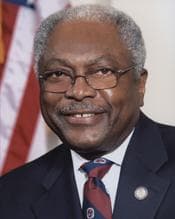
James E. Clyburn
Democratic Representative
South Carolina
Cosponsors (53)
Dwight Evans (Democratic)Stacey E. Plaskett (Democratic)Tim Ryan (Democratic)Val Butler Demings (Democratic)Ruben Gallego (Democratic)Marc A. Veasey (Democratic)Barbara Lee (Democratic)Robin L. Kelly (Democratic)Karen Bass (Democratic)James R. Langevin (Democratic)Joyce Beatty (Democratic)Lisa Blunt Rochester (Democratic)Emanuel Cleaver (Democratic)Chrissy Houlahan (Democratic)Darren Soto (Democratic)Sheila Jackson Lee (Democratic)Sanford D. Bishop (Democratic)Ilhan Omar (Democratic)Frederica S. Wilson (Democratic)Terri A. Sewell (Democratic)Bobby L. Rush (Democratic)Steven Horsford (Democratic)Jimmy Panetta (Democratic)Michael F. Doyle (Democratic)Steve Cohen (Democratic)Wm. Lacy Clay (Democratic)Anthony G. Brown (Democratic)Adriano Espaillat (Democratic)Danny K. Davis (Democratic)A. Donald McEachin (Democratic)Henry C. "Hank" Johnson (Democratic)John B. Larson (Democratic)G. K. Butterfield (Democratic)Gregory W. Meeks (Democratic)Hakeem S. Jeffries (Democratic)Marcia L. Fudge (Democratic)John Lewis (Democratic)Lucy McBath (Democratic)Eleanor Holmes Norton (Democratic)Bonnie Watson Coleman (Democratic)Jamie Raskin (Democratic)Andy Kim (Democratic)Eddie Bernice Johnson (Democratic)Yvette D. Clarke (Democratic)Cedric L. Richmond (Democratic)Bennie G. Thompson (Democratic)TJ Cox (Democratic)Jesús G. "Chuy" García (Democratic)Gwen Moore (Democratic)Jimmy Gomez (Democratic)Ayanna Pressley (Democratic)Alcee L. Hastings (Democratic)Debbie Wasserman Schultz (Democratic)
Committees (15)
• Transportation and Infrastructure Committee• Commodity Markets, Digital Assets, and Rural Development Subcommittee• Foreign Affairs Committee• Indian and Insular Affairs Subcommittee• Agriculture Committee• Crime and Federal Government Surveillance Subcommittee• Highways and Transit Subcommittee• Financial Services Committee• Health Subcommittee• Economic Development, Public Buildings, and Emergency Management Subcommittee• Judiciary Committee• Science, Space, and Technology Committee• Energy and Commerce Committee• Education and Workforce Committee• Natural Resources Committee
- Introduced
- In Committee
- On Floor
- Passed Chamber
- Enacted
An Act Targeting Resources to Communities in Need This bill targets funding for designated development programs to counties and census tracts with persistently high poverty rates. Specifically, agencies that administer these programs must direct at least 10% of funding to counties with poverty rates that have equaled or exceeded 20% for at least 30 years. In addition, agencies must allocate, based on a formula, a certain level of funding to census tracts that have sustained poverty rates of 20% or higher for the past five years. This funding model, known as the 10-20-30 proposal, has been applied through appropriations measures to, among other programs, rural development programs administered by the Department of Agriculture.
View Full TextSuggested Questions
Get AI-generated questions to help you understand this bill better
Timeline
Introduced in House
Referred to the Committee on Transportation and Infrastructure, and in addition to the Committees on the Judiciary, Energy and Commerce, Education and Labor, Science, Space, and Technology, Agriculture, Foreign Affairs, Financial Services, and Natural Resources, for a period to be subsequently determined by the Speaker, in each case for consideration of such provisions as fall within the jurisdiction of the committee concerned.
Referred to the Subcommittee on Health.
Referred to the Subcommittee on Highways and Transit.
Referred to the Subcommittee on Economic Development, Public Buildings, and Emergency Management.
Referred to the Subcommittee for Indigenous Peoples of the United States.
Referred to the Subcommittee on Commodity Exchanges, Energy, and Credit.
Referred to the Subcommittee on Crime, Terrorism, and Homeland Security.
Social Welfare
AlaskaAppalachian Regional CommissionAppropriationsAssault and harassment offensesBanking and financial institutions regulationCensus and government statisticsChild safety and welfareCongressional oversightCorrectional facilities and imprisonmentCrimes against womenCrime victimsCriminal investigation, prosecution, interrogationCriminal procedure and sentencingDelta Regional AuthorityDenali CommissionDepartment of AgricultureDepartment of CommerceDepartment of Health and Human ServicesDepartment of JusticeDepartment of LaborDepartment of TransportationDomestic violence and child abuseDrug, alcohol, tobacco useDrug trafficking and controlled substancesEconomic developmentEducation programs fundingElementary and secondary educationEmployment and training programsEnvironmental Protection Agency (EPA)Evidence and witnessesExecutive agency funding and structureGeneticsGovernment lending and loan guaranteesHousing discriminationHuman traffickingInfrastructure developmentJuvenile crime and gang violenceLaw enforcement administration and fundingPoverty and welfare assistancePublic transitRegional and metropolitan planningRoads and highwaysSex offensesTransportation programs fundingViolent crime
An Act Targeting Resources to Communities in Need
USA116th CongressHR-2055| House
| Updated: 5/15/2019
An Act Targeting Resources to Communities in Need This bill targets funding for designated development programs to counties and census tracts with persistently high poverty rates. Specifically, agencies that administer these programs must direct at least 10% of funding to counties with poverty rates that have equaled or exceeded 20% for at least 30 years. In addition, agencies must allocate, based on a formula, a certain level of funding to census tracts that have sustained poverty rates of 20% or higher for the past five years. This funding model, known as the 10-20-30 proposal, has been applied through appropriations measures to, among other programs, rural development programs administered by the Department of Agriculture.
View Full TextSuggested Questions
Get AI-generated questions to help you understand this bill better
Timeline
Introduced in House
Referred to the Committee on Transportation and Infrastructure, and in addition to the Committees on the Judiciary, Energy and Commerce, Education and Labor, Science, Space, and Technology, Agriculture, Foreign Affairs, Financial Services, and Natural Resources, for a period to be subsequently determined by the Speaker, in each case for consideration of such provisions as fall within the jurisdiction of the committee concerned.
Referred to the Subcommittee on Health.
Referred to the Subcommittee on Highways and Transit.
Referred to the Subcommittee on Economic Development, Public Buildings, and Emergency Management.
Referred to the Subcommittee for Indigenous Peoples of the United States.
Referred to the Subcommittee on Commodity Exchanges, Energy, and Credit.
Referred to the Subcommittee on Crime, Terrorism, and Homeland Security.
James E. Clyburn
Democratic Representative
South Carolina
Cosponsors (53)
Dwight Evans (Democratic)Stacey E. Plaskett (Democratic)Tim Ryan (Democratic)Val Butler Demings (Democratic)Ruben Gallego (Democratic)Marc A. Veasey (Democratic)Barbara Lee (Democratic)Robin L. Kelly (Democratic)Karen Bass (Democratic)James R. Langevin (Democratic)Joyce Beatty (Democratic)Lisa Blunt Rochester (Democratic)Emanuel Cleaver (Democratic)Chrissy Houlahan (Democratic)Darren Soto (Democratic)Sheila Jackson Lee (Democratic)Sanford D. Bishop (Democratic)Ilhan Omar (Democratic)Frederica S. Wilson (Democratic)Terri A. Sewell (Democratic)Bobby L. Rush (Democratic)Steven Horsford (Democratic)Jimmy Panetta (Democratic)Michael F. Doyle (Democratic)Steve Cohen (Democratic)Wm. Lacy Clay (Democratic)Anthony G. Brown (Democratic)Adriano Espaillat (Democratic)Danny K. Davis (Democratic)A. Donald McEachin (Democratic)Henry C. "Hank" Johnson (Democratic)John B. Larson (Democratic)G. K. Butterfield (Democratic)Gregory W. Meeks (Democratic)Hakeem S. Jeffries (Democratic)Marcia L. Fudge (Democratic)John Lewis (Democratic)Lucy McBath (Democratic)Eleanor Holmes Norton (Democratic)Bonnie Watson Coleman (Democratic)Jamie Raskin (Democratic)Andy Kim (Democratic)Eddie Bernice Johnson (Democratic)Yvette D. Clarke (Democratic)Cedric L. Richmond (Democratic)Bennie G. Thompson (Democratic)TJ Cox (Democratic)Jesús G. "Chuy" García (Democratic)Gwen Moore (Democratic)Jimmy Gomez (Democratic)Ayanna Pressley (Democratic)Alcee L. Hastings (Democratic)Debbie Wasserman Schultz (Democratic)
Committees (15)
• Transportation and Infrastructure Committee• Commodity Markets, Digital Assets, and Rural Development Subcommittee• Foreign Affairs Committee• Indian and Insular Affairs Subcommittee• Agriculture Committee• Crime and Federal Government Surveillance Subcommittee• Highways and Transit Subcommittee• Financial Services Committee• Health Subcommittee• Economic Development, Public Buildings, and Emergency Management Subcommittee• Judiciary Committee• Science, Space, and Technology Committee• Energy and Commerce Committee• Education and Workforce Committee• Natural Resources Committee
Social Welfare
- Introduced
- In Committee
- On Floor
- Passed Chamber
- Enacted
AlaskaAppalachian Regional CommissionAppropriationsAssault and harassment offensesBanking and financial institutions regulationCensus and government statisticsChild safety and welfareCongressional oversightCorrectional facilities and imprisonmentCrimes against womenCrime victimsCriminal investigation, prosecution, interrogationCriminal procedure and sentencingDelta Regional AuthorityDenali CommissionDepartment of AgricultureDepartment of CommerceDepartment of Health and Human ServicesDepartment of JusticeDepartment of LaborDepartment of TransportationDomestic violence and child abuseDrug, alcohol, tobacco useDrug trafficking and controlled substancesEconomic developmentEducation programs fundingElementary and secondary educationEmployment and training programsEnvironmental Protection Agency (EPA)Evidence and witnessesExecutive agency funding and structureGeneticsGovernment lending and loan guaranteesHousing discriminationHuman traffickingInfrastructure developmentJuvenile crime and gang violenceLaw enforcement administration and fundingPoverty and welfare assistancePublic transitRegional and metropolitan planningRoads and highwaysSex offensesTransportation programs fundingViolent crime