To provide for restrictions on recently appointed Federal employees and recently separated Federal employees with respect to lobbying activities, and for other purposes.
USA116th CongressHR-2101| House
| Updated: 5/15/2019
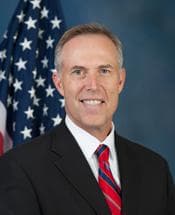
Jared Huffman
Democratic Representative
California
Judiciary Committee, Constitution and Limited Government Subcommittee
- Introduced
- In Committee
- On Floor
- Passed Chamber
- Enacted
This bill places restrictions on certain lobbying activities by recently separated and recently appointed federal employees. Specifically, the bill extends to two years the ban on certain senior personnel of the executive branch and independent agencies from lobbying the department or agency in which the person served. The bill also extends to five years the ban on certain senior personnel of the executive branch and independent agencies, including the Vice President, from lobbying any officer or employee of any department or agency in which such person served. Certain high-level employees of the executive branch are subject to a lifetime ban on knowingly representing a foreign entity before any officer or employee of any department or agency of the United States with the intent to influence a decision of such officer or employee. During a two-year period beginning on the date an individual is appointed to a covered position, such individual is banned from participating in any matter involving specific parties that is directly related to the individual's former employer or former clients. Additionally, any individual who was a registered lobbyist or who engaged in lobbying activities during a two-year period prior to appointment is prohibited from participating in a matter on which the individual made a lobbying contact. The Office of Management and Budget (OMB) may waive these requiremens if OMB certifies in writing to various congressional committees that it is in the public interest to grant the waiver.
View Full TextSuggested Questions
Get AI-generated questions to help you understand this bill better
Timeline
Introduced in House
Referred to the House Committee on the Judiciary.
Referred to the Subcommittee on the Constitution, Civil Rights, and Civil Liberties.
Crime and Law Enforcement
Congressional oversightFederal officialsForeign and international corporationsGovernment ethics and transparency, public corruptionGovernment information and archivesPresidents and presidential powers, Vice PresidentsPublic participation and lobbying
To provide for restrictions on recently appointed Federal employees and recently separated Federal employees with respect to lobbying activities, and for other purposes.
USA116th CongressHR-2101| House
| Updated: 5/15/2019
This bill places restrictions on certain lobbying activities by recently separated and recently appointed federal employees. Specifically, the bill extends to two years the ban on certain senior personnel of the executive branch and independent agencies from lobbying the department or agency in which the person served. The bill also extends to five years the ban on certain senior personnel of the executive branch and independent agencies, including the Vice President, from lobbying any officer or employee of any department or agency in which such person served. Certain high-level employees of the executive branch are subject to a lifetime ban on knowingly representing a foreign entity before any officer or employee of any department or agency of the United States with the intent to influence a decision of such officer or employee. During a two-year period beginning on the date an individual is appointed to a covered position, such individual is banned from participating in any matter involving specific parties that is directly related to the individual's former employer or former clients. Additionally, any individual who was a registered lobbyist or who engaged in lobbying activities during a two-year period prior to appointment is prohibited from participating in a matter on which the individual made a lobbying contact. The Office of Management and Budget (OMB) may waive these requiremens if OMB certifies in writing to various congressional committees that it is in the public interest to grant the waiver.
View Full TextSuggested Questions
Get AI-generated questions to help you understand this bill better
Timeline
Introduced in House
Referred to the House Committee on the Judiciary.
Referred to the Subcommittee on the Constitution, Civil Rights, and Civil Liberties.
Jared Huffman
Democratic Representative
California
Judiciary Committee, Constitution and Limited Government Subcommittee
Crime and Law Enforcement
- Introduced
- In Committee
- On Floor
- Passed Chamber
- Enacted
Congressional oversightFederal officialsForeign and international corporationsGovernment ethics and transparency, public corruptionGovernment information and archivesPresidents and presidential powers, Vice PresidentsPublic participation and lobbying