Election Security Act of 2019
USA116th CongressHR-2660| House
| Updated: 6/28/2019
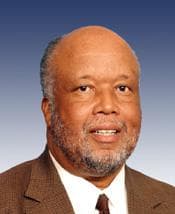
Bennie G. Thompson
Democratic Representative
Mississippi
Cosponsors (54)
Brenda L. Lawrence (Democratic)Val Butler Demings (Democratic)Marcy Kaptur (Democratic)Gilbert Ray Cisneros (Democratic)Xochitl Torres Small (Democratic)Robin L. Kelly (Democratic)Abigail Davis Spanberger (Democratic)Karen Bass (Democratic)James R. Langevin (Democratic)Joyce Beatty (Democratic)Lisa Blunt Rochester (Democratic)David N. Cicilline (Democratic)Emanuel Cleaver (Democratic)Kathleen M. Rice (Democratic)Sheila Jackson Lee (Democratic)Bill Foster (Democratic)Max Rose (Democratic)Sanford D. Bishop (Democratic)Pete Aguilar (Democratic)Frederica S. Wilson (Democratic)Bobby L. Rush (Democratic)J. Luis Correa (Democratic)Dina Titus (Democratic)Susan A. Davis (Democratic)Jennifer Wexton (Democratic)Donald M. Payne (Democratic)John P. Sarbanes (Democratic)Anthony G. Brown (Democratic)Peter A. DeFazio (Democratic)Ro Khanna (Democratic)Alan S. Lowenthal (Democratic)Al Green (Democratic)Stephen F. Lynch (Democratic)Mark DeSaulnier (Democratic)G. K. Butterfield (Democratic)Dean Phillips (Democratic)Marcia L. Fudge (Democratic)John Lewis (Democratic)Kathy Castor (Democratic)Eleanor Holmes Norton (Democratic)Bonnie Watson Coleman (Democratic)Jamie Raskin (Democratic)Elijah E. Cummings (Democratic)Janice D. Schakowsky (Democratic)Ron Kind (Democratic)Yvette D. Clarke (Democratic)Peter Welch (Democratic)Albio Sires (Democratic)Cedric L. Richmond (Democratic)Earl Blumenauer (Democratic)Elissa Slotkin (Democratic)Zoe Lofgren (Democratic)Nanette Diaz Barragán (Democratic)Lauren Underwood (Democratic)
Committees (9)
• Committee on House Administration• Homeland Security Committee• Foreign Affairs Committee• Cybersecurity and Infrastructure Protection Subcommittee• Judiciary Committee• Constitution and Limited Government Subcommittee• Science, Space, and Technology Committee• Intelligence (Permanent Select) Committee• Research and Technology Subcommittee
- Introduced
- In Committee
- On Floor
- Passed Chamber
- Enacted
Election Security Act of 2019 This bill addresses election security through grant programs and requirements for voting systems and paper ballots. The bill establishes requirements for voting systems, including that systems (1) use individual, durable, voter-verified paper ballots; (2) make a voter's marked ballot available for inspection and verification by the voter before the vote is cast; (3) ensure that individuals with disabilities are given an equivalent opportunity to vote, including with privacy and independence, in a manner that produces a voter-verified paper ballot; and (4) be manufactured in the United States. The National Science Foundation must award grants to study, test, and develop accessible voter-verified paper ballot voting and best practices to enhance the accessibility of such voting for individuals with disabilities, for voters whose primary language is not English, and for voters with difficulties in literacy. The Election Assistance Commission (EAC) must award grants to states to (1) replace certain voting systems, carry out voting system security improvements, and implement and model best practices for ballot design, ballot instructions, and the testing of ballots; and (2) conduct risk-limiting audits. The bill provides for information sharing with states regarding threats to election infrastructure. The Department of Homeland Security must issue a national strategy to protect against cyberattacks, influence operations, disinformation campaigns, and other activities that could undermine the security and integrity of democratic institutions. The EAC must provide for the testing of voting system hardware and software and decertify such technology that does not meet guidelines.
View Full TextSuggested Questions
Get AI-generated questions to help you understand this bill better
Timeline
Introduced in House
Referred to the Subcommittee on Research and Technology.
Referred to the Committee on House Administration, and in addition to the Committees on Homeland Security, Intelligence (Permanent Select), Science, Space, and Technology, Foreign Affairs, and the Judiciary, for a period to be subsequently determined by the Speaker, in each case for consideration of such provisions as fall within the jurisdiction of the committee concerned.
Referred to the Subcommittee on Cybersecurity, Infrastructure Protection, and Innovation.
Referred to the Subcommittee on the Constitution, Civil Rights, and Civil Liberties.
Government Operations and Politics
Accounting and auditingBuy American requirementsComputer security and identity theftCongressional oversightDisability and paralysisElections, voting, political campaign regulationGovernment employee pay, benefits, personnel managementGovernment information and archivesGovernment studies and investigationsIntelligence activities, surveillance, classified informationManufacturingPublic contracts and procurementState and local government operationsSubversive activitiesTechnology assessment
Election Security Act of 2019
USA116th CongressHR-2660| House
| Updated: 6/28/2019
Election Security Act of 2019 This bill addresses election security through grant programs and requirements for voting systems and paper ballots. The bill establishes requirements for voting systems, including that systems (1) use individual, durable, voter-verified paper ballots; (2) make a voter's marked ballot available for inspection and verification by the voter before the vote is cast; (3) ensure that individuals with disabilities are given an equivalent opportunity to vote, including with privacy and independence, in a manner that produces a voter-verified paper ballot; and (4) be manufactured in the United States. The National Science Foundation must award grants to study, test, and develop accessible voter-verified paper ballot voting and best practices to enhance the accessibility of such voting for individuals with disabilities, for voters whose primary language is not English, and for voters with difficulties in literacy. The Election Assistance Commission (EAC) must award grants to states to (1) replace certain voting systems, carry out voting system security improvements, and implement and model best practices for ballot design, ballot instructions, and the testing of ballots; and (2) conduct risk-limiting audits. The bill provides for information sharing with states regarding threats to election infrastructure. The Department of Homeland Security must issue a national strategy to protect against cyberattacks, influence operations, disinformation campaigns, and other activities that could undermine the security and integrity of democratic institutions. The EAC must provide for the testing of voting system hardware and software and decertify such technology that does not meet guidelines.
View Full TextSuggested Questions
Get AI-generated questions to help you understand this bill better
Timeline
Introduced in House
Referred to the Subcommittee on Research and Technology.
Referred to the Committee on House Administration, and in addition to the Committees on Homeland Security, Intelligence (Permanent Select), Science, Space, and Technology, Foreign Affairs, and the Judiciary, for a period to be subsequently determined by the Speaker, in each case for consideration of such provisions as fall within the jurisdiction of the committee concerned.
Referred to the Subcommittee on Cybersecurity, Infrastructure Protection, and Innovation.
Referred to the Subcommittee on the Constitution, Civil Rights, and Civil Liberties.
Bennie G. Thompson
Democratic Representative
Mississippi
Cosponsors (54)
Brenda L. Lawrence (Democratic)Val Butler Demings (Democratic)Marcy Kaptur (Democratic)Gilbert Ray Cisneros (Democratic)Xochitl Torres Small (Democratic)Robin L. Kelly (Democratic)Abigail Davis Spanberger (Democratic)Karen Bass (Democratic)James R. Langevin (Democratic)Joyce Beatty (Democratic)Lisa Blunt Rochester (Democratic)David N. Cicilline (Democratic)Emanuel Cleaver (Democratic)Kathleen M. Rice (Democratic)Sheila Jackson Lee (Democratic)Bill Foster (Democratic)Max Rose (Democratic)Sanford D. Bishop (Democratic)Pete Aguilar (Democratic)Frederica S. Wilson (Democratic)Bobby L. Rush (Democratic)J. Luis Correa (Democratic)Dina Titus (Democratic)Susan A. Davis (Democratic)Jennifer Wexton (Democratic)Donald M. Payne (Democratic)John P. Sarbanes (Democratic)Anthony G. Brown (Democratic)Peter A. DeFazio (Democratic)Ro Khanna (Democratic)Alan S. Lowenthal (Democratic)Al Green (Democratic)Stephen F. Lynch (Democratic)Mark DeSaulnier (Democratic)G. K. Butterfield (Democratic)Dean Phillips (Democratic)Marcia L. Fudge (Democratic)John Lewis (Democratic)Kathy Castor (Democratic)Eleanor Holmes Norton (Democratic)Bonnie Watson Coleman (Democratic)Jamie Raskin (Democratic)Elijah E. Cummings (Democratic)Janice D. Schakowsky (Democratic)Ron Kind (Democratic)Yvette D. Clarke (Democratic)Peter Welch (Democratic)Albio Sires (Democratic)Cedric L. Richmond (Democratic)Earl Blumenauer (Democratic)Elissa Slotkin (Democratic)Zoe Lofgren (Democratic)Nanette Diaz Barragán (Democratic)Lauren Underwood (Democratic)
Committees (9)
• Committee on House Administration• Homeland Security Committee• Foreign Affairs Committee• Cybersecurity and Infrastructure Protection Subcommittee• Judiciary Committee• Constitution and Limited Government Subcommittee• Science, Space, and Technology Committee• Intelligence (Permanent Select) Committee• Research and Technology Subcommittee
Government Operations and Politics
Related Bills
- Introduced
- In Committee
- On Floor
- Passed Chamber
- Enacted
Accounting and auditingBuy American requirementsComputer security and identity theftCongressional oversightDisability and paralysisElections, voting, political campaign regulationGovernment employee pay, benefits, personnel managementGovernment information and archivesGovernment studies and investigationsIntelligence activities, surveillance, classified informationManufacturingPublic contracts and procurementState and local government operationsSubversive activitiesTechnology assessment