Less Traffic with Smart Stop Lights Act of 2019
USA116th CongressHR-3261| House
| Updated: 6/14/2019
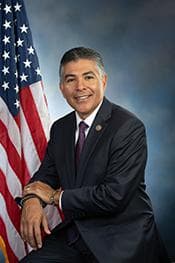
Tony Cárdenas
Democratic Representative
California
Transportation and Infrastructure Committee, Highways and Transit Subcommittee
- Introduced
- In Committee
- On Floor
- Passed Chamber
- Enacted
Less Traffic with Smart Stop Lights Act of 2019 This bill directs the Department of Transportation (DOT) to establish a Smart Technology Traffic Signals Grant Program. DOT may provide competitive grants to states, local, or tribal government entities for projects that improve the functioning of traffic signals to (1) reduce traffic congestion, (2) improve the safety and effectiveness of roadways, (3) reduce fuel costs for drivers, and (4) reduce air pollution. Grants may not be used to purchase, operate, or maintain an automated traffic enforcement system. The federal share of project costs may not exceed 80%, but DOT may waive such limit if an assisted entity can show extreme financial hardship.
View Full TextSuggested Questions
Get AI-generated questions to help you understand this bill better
Timeline
Introduced in House
Referred to the House Committee on Transportation and Infrastructure.
Referred to the Subcommittee on Highways and Transit.
Transportation and Public Works
Advanced technology and technological innovationsAir qualityRoads and highwaysSocial work, volunteer service, charitable organizationsTransportation programs fundingTransportation safety and security
Less Traffic with Smart Stop Lights Act of 2019
USA116th CongressHR-3261| House
| Updated: 6/14/2019
Less Traffic with Smart Stop Lights Act of 2019 This bill directs the Department of Transportation (DOT) to establish a Smart Technology Traffic Signals Grant Program. DOT may provide competitive grants to states, local, or tribal government entities for projects that improve the functioning of traffic signals to (1) reduce traffic congestion, (2) improve the safety and effectiveness of roadways, (3) reduce fuel costs for drivers, and (4) reduce air pollution. Grants may not be used to purchase, operate, or maintain an automated traffic enforcement system. The federal share of project costs may not exceed 80%, but DOT may waive such limit if an assisted entity can show extreme financial hardship.
View Full TextSuggested Questions
Get AI-generated questions to help you understand this bill better
Timeline
Introduced in House
Referred to the House Committee on Transportation and Infrastructure.
Referred to the Subcommittee on Highways and Transit.
Tony Cárdenas
Democratic Representative
California
Transportation and Infrastructure Committee, Highways and Transit Subcommittee
Transportation and Public Works
- Introduced
- In Committee
- On Floor
- Passed Chamber
- Enacted
Advanced technology and technological innovationsAir qualityRoads and highwaysSocial work, volunteer service, charitable organizationsTransportation programs fundingTransportation safety and security