Empowering Law Enforcement for Safer Firearm Transfers Act of 2019
USA116th CongressHR-3404| House
| Updated: 6/21/2019
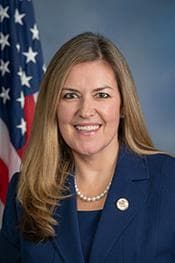
Jennifer Wexton
Democratic Representative
Virginia
Cosponsors (15)
Gilbert Ray Cisneros (Democratic)David N. Cicilline (Democratic)Madeleine Dean (Democratic)Katherine M. Clark (Democratic)Ro Khanna (Democratic)A. Donald McEachin (Democratic)Eleanor Holmes Norton (Democratic)Jamie Raskin (Democratic)Joe Neguse (Democratic)Donald S. Beyer (Democratic)Debbie Mucarsel-Powell (Democratic)Janice D. Schakowsky (Democratic)Jason Crow (Democratic)Alcee L. Hastings (Democratic)Gerald E. Connolly (Democratic)
Ways and Means Committee
- Introduced
- In Committee
- On Floor
- Passed Chamber
- Enacted
Empowering Law Enforcement for Safer Firearm Transfers Act of 2019 This bill requires chief law enforcement officers (CLEOs) to be notified of pending firearm transfers and given an opportunity to object to such transfers. Specifically, the Department of Justice must notify the CLEO of the jurisdiction in which the individual resides that the individual has an application pending for a firearm transfer. The CLEO then has 90 days to (1) certify that there is no objection to the transfer; or (2) certify that the individual poses a danger to themselves or others, or there is a reasonable likelihood that the individual will use the firearm for unlawful purposes. (Prior to 2016, individuals were required to obtain a certification from the CLEO. Currently, individuals are only required to notify the CLEO that the individual is submitting an application to the Bureau of Alcohol, Tobacco, Firearms and Explosives.)
View Full TextSuggested Questions
Get AI-generated questions to help you understand this bill better
Timeline
Introduced in House
Referred to the House Committee on Ways and Means.
Crime and Law Enforcement
Criminal justice information and recordsFirearms and explosivesSales and excise taxesState and local government operations
Empowering Law Enforcement for Safer Firearm Transfers Act of 2019
USA116th CongressHR-3404| House
| Updated: 6/21/2019
Empowering Law Enforcement for Safer Firearm Transfers Act of 2019 This bill requires chief law enforcement officers (CLEOs) to be notified of pending firearm transfers and given an opportunity to object to such transfers. Specifically, the Department of Justice must notify the CLEO of the jurisdiction in which the individual resides that the individual has an application pending for a firearm transfer. The CLEO then has 90 days to (1) certify that there is no objection to the transfer; or (2) certify that the individual poses a danger to themselves or others, or there is a reasonable likelihood that the individual will use the firearm for unlawful purposes. (Prior to 2016, individuals were required to obtain a certification from the CLEO. Currently, individuals are only required to notify the CLEO that the individual is submitting an application to the Bureau of Alcohol, Tobacco, Firearms and Explosives.)
View Full TextSuggested Questions
Get AI-generated questions to help you understand this bill better
Timeline
Introduced in House
Referred to the House Committee on Ways and Means.
Jennifer Wexton
Democratic Representative
Virginia
Cosponsors (15)
Gilbert Ray Cisneros (Democratic)David N. Cicilline (Democratic)Madeleine Dean (Democratic)Katherine M. Clark (Democratic)Ro Khanna (Democratic)A. Donald McEachin (Democratic)Eleanor Holmes Norton (Democratic)Jamie Raskin (Democratic)Joe Neguse (Democratic)Donald S. Beyer (Democratic)Debbie Mucarsel-Powell (Democratic)Janice D. Schakowsky (Democratic)Jason Crow (Democratic)Alcee L. Hastings (Democratic)Gerald E. Connolly (Democratic)
Ways and Means Committee
Crime and Law Enforcement
- Introduced
- In Committee
- On Floor
- Passed Chamber
- Enacted
Criminal justice information and recordsFirearms and explosivesSales and excise taxesState and local government operations