Radiation Exposure Compensation Act Amendments of 2019
USA116th CongressHR-3783| House
| Updated: 8/6/2019
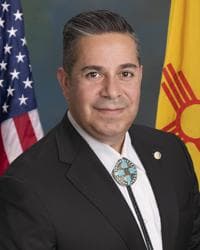
Ben Ray Luján
Democratic Representative
New Mexico
Cosponsors (49)
Tom O'Halleran (Democratic)Ruben Gallego (Democratic)Jared Huffman (Democratic)Xochitl Torres Small (Democratic)Joseph P. Kennedy (Democratic)Raúl M. Grijalva (Democratic)Ben McAdams (Democratic)Lisa Blunt Rochester (Democratic)Brian Higgins (Democratic)Darren Soto (Democratic)Sheila Jackson Lee (Democratic)Derek Kilmer (Democratic)Debra A. Haaland (Democratic)Ilhan Omar (Democratic)Dina Titus (Democratic)Michael F. Doyle (Democratic)Steve Cohen (Democratic)Tony Cárdenas (Democratic)Suzan K. DelBene (Democratic)Paul Tonko (Democratic)Ann Kirkpatrick (Democratic)Peter A. DeFazio (Democratic)Vicente Gonzalez (Democratic)Greg Stanton (Democratic)Ann M. Kuster (Democratic)Kurt Schrader (Democratic)G. K. Butterfield (Democratic)Doris O. Matsui (Democratic)Filemon Vela (Democratic)Pramila Jayapal (Democratic)Eleanor Holmes Norton (Democratic)Denny Heck (Democratic)Joe Neguse (Democratic)Diana DeGette (Democratic)James P. McGovern (Democratic)Michael F. Q. San Nicolas (Democratic)Adam Smith (Democratic)Julia Brownley (Democratic)Eddie Bernice Johnson (Democratic)Albio Sires (Democratic)Earl Blumenauer (Democratic)Randy K. Sr. Weber (Republican)Ed Perlmutter (Democratic)Zoe Lofgren (Democratic)Jason Crow (Democratic)Susie Lee (Democratic)Alcee L. Hastings (Democratic)Lloyd Doggett (Democratic)Grace F. Napolitano (Democratic)
Health Subcommittee, Judiciary Committee, Constitution and Limited Government Subcommittee, Energy and Commerce Committee, Education and Workforce Committee
- Introduced
- In Committee
- On Floor
- Passed Chamber
- Enacted
Radiation Exposure Compensation Act Amendments of 2019 This bill increases the amount of compensation provided to individuals exposed to radiation and expands eligibility requirements for compensation to include additional individuals. Specifically, the bill extends the Radiation Exposure Compensation Trust Fund until 45 years after this bill's enactment. The trust fund compensates individuals who contract cancer or other diseases as a result of their exposure to radiation during nuclear testing undertaken by the United States during the Cold War. The bill revises the requirements governing the compensation of individuals who were exposed to radiation, including by increasing the amount of compensation that an individual may receive; expanding the affected area to include Colorado, Idaho, Montana, and New Mexico; expanding eligibility requirements to include additional individuals, such as certain employees of uranium mines or mills; and extending until 45 years after this bill's enactment the statute of limitations for the filing of claims. The National Institute of Environmental Health Sciences must establish a grant program for institutions of higher education to study the epidemiological impacts of uranium mining and milling among non-occupationally exposed individuals. The bill also expands eligibility requirements for the Energy Employees Occupational Illness Compensation Program with respect to certain employees with a specified cancer.
View Full TextSuggested Questions
Get AI-generated questions to help you understand this bill better
Timeline
Introduced in House
Referred to the Committee on the Judiciary, and in addition to the Committees on Education and Labor, and Energy and Commerce, for a period to be subsequently determined by the Speaker, in each case for consideration of such provisions as fall within the jurisdiction of the committee concerned.
Referred to the Subcommittee on Health.
Referred to the Subcommittee on the Constitution, Civil Rights, and Civil Liberties.
Labor and Employment
Administrative law and regulatory proceduresArizonaCancerColoradoDepartment of JusticeDigestive and metabolic diseasesEducation programs fundingEnvironmental healthFederal-Indian relationsGovernment information and archivesGovernment liabilityGovernment trust fundsGuamHazardous wastes and toxic substancesHealth care costs and insuranceHigher educationIdahoLegal fees and court costsMarshall IslandsMedical researchMilitary historyMiningMontanaNevadaNew MexicoNorth DakotaNorthern Mariana IslandsNuclear weaponsOregonPersonnel recordsPublic contracts and procurementRadiationRadioactive wastes and releasesResearch administration and fundingSouth DakotaTexasU.S. territories and protectoratesUtahWashington StateWorker safety and healthWyoming
Radiation Exposure Compensation Act Amendments of 2019
USA116th CongressHR-3783| House
| Updated: 8/6/2019
Radiation Exposure Compensation Act Amendments of 2019 This bill increases the amount of compensation provided to individuals exposed to radiation and expands eligibility requirements for compensation to include additional individuals. Specifically, the bill extends the Radiation Exposure Compensation Trust Fund until 45 years after this bill's enactment. The trust fund compensates individuals who contract cancer or other diseases as a result of their exposure to radiation during nuclear testing undertaken by the United States during the Cold War. The bill revises the requirements governing the compensation of individuals who were exposed to radiation, including by increasing the amount of compensation that an individual may receive; expanding the affected area to include Colorado, Idaho, Montana, and New Mexico; expanding eligibility requirements to include additional individuals, such as certain employees of uranium mines or mills; and extending until 45 years after this bill's enactment the statute of limitations for the filing of claims. The National Institute of Environmental Health Sciences must establish a grant program for institutions of higher education to study the epidemiological impacts of uranium mining and milling among non-occupationally exposed individuals. The bill also expands eligibility requirements for the Energy Employees Occupational Illness Compensation Program with respect to certain employees with a specified cancer.
View Full TextSuggested Questions
Get AI-generated questions to help you understand this bill better
Timeline
Introduced in House
Referred to the Committee on the Judiciary, and in addition to the Committees on Education and Labor, and Energy and Commerce, for a period to be subsequently determined by the Speaker, in each case for consideration of such provisions as fall within the jurisdiction of the committee concerned.
Referred to the Subcommittee on Health.
Referred to the Subcommittee on the Constitution, Civil Rights, and Civil Liberties.
Ben Ray Luján
Democratic Representative
New Mexico
Cosponsors (49)
Tom O'Halleran (Democratic)Ruben Gallego (Democratic)Jared Huffman (Democratic)Xochitl Torres Small (Democratic)Joseph P. Kennedy (Democratic)Raúl M. Grijalva (Democratic)Ben McAdams (Democratic)Lisa Blunt Rochester (Democratic)Brian Higgins (Democratic)Darren Soto (Democratic)Sheila Jackson Lee (Democratic)Derek Kilmer (Democratic)Debra A. Haaland (Democratic)Ilhan Omar (Democratic)Dina Titus (Democratic)Michael F. Doyle (Democratic)Steve Cohen (Democratic)Tony Cárdenas (Democratic)Suzan K. DelBene (Democratic)Paul Tonko (Democratic)Ann Kirkpatrick (Democratic)Peter A. DeFazio (Democratic)Vicente Gonzalez (Democratic)Greg Stanton (Democratic)Ann M. Kuster (Democratic)Kurt Schrader (Democratic)G. K. Butterfield (Democratic)Doris O. Matsui (Democratic)Filemon Vela (Democratic)Pramila Jayapal (Democratic)Eleanor Holmes Norton (Democratic)Denny Heck (Democratic)Joe Neguse (Democratic)Diana DeGette (Democratic)James P. McGovern (Democratic)Michael F. Q. San Nicolas (Democratic)Adam Smith (Democratic)Julia Brownley (Democratic)Eddie Bernice Johnson (Democratic)Albio Sires (Democratic)Earl Blumenauer (Democratic)Randy K. Sr. Weber (Republican)Ed Perlmutter (Democratic)Zoe Lofgren (Democratic)Jason Crow (Democratic)Susie Lee (Democratic)Alcee L. Hastings (Democratic)Lloyd Doggett (Democratic)Grace F. Napolitano (Democratic)
Health Subcommittee, Judiciary Committee, Constitution and Limited Government Subcommittee, Energy and Commerce Committee, Education and Workforce Committee
Labor and Employment
- Introduced
- In Committee
- On Floor
- Passed Chamber
- Enacted
Administrative law and regulatory proceduresArizonaCancerColoradoDepartment of JusticeDigestive and metabolic diseasesEducation programs fundingEnvironmental healthFederal-Indian relationsGovernment information and archivesGovernment liabilityGovernment trust fundsGuamHazardous wastes and toxic substancesHealth care costs and insuranceHigher educationIdahoLegal fees and court costsMarshall IslandsMedical researchMilitary historyMiningMontanaNevadaNew MexicoNorth DakotaNorthern Mariana IslandsNuclear weaponsOregonPersonnel recordsPublic contracts and procurementRadiationRadioactive wastes and releasesResearch administration and fundingSouth DakotaTexasU.S. territories and protectoratesUtahWashington StateWorker safety and healthWyoming