Blue Collar and Green Collar Jobs Development Act of 2019
USA116th CongressHR-4061| House
| Updated: 7/25/2019
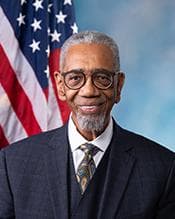
Bobby L. Rush
Democratic Representative
Illinois
Cosponsors (6)
Education and Workforce Committee
- Introduced
- In Committee
- On Floor
- Passed Chamber
- Enacted
Blue Collar to Green Collar Jobs Development Act of 2019 This bill directs the Department of Energy (DOE) to establish and carry out a comprehensive, nationwide program to improve education and training for jobs in energy-related industries in order to increase the number of skilled workers trained for such jobs. DOE, in collaboration with the Commissioner of the Bureau of Labor Statistics, the Secretary of Commerce, the Director of the Bureau of the Census, and energy-related industries, shall establish a clearinghouse to, among other things, develop resources training programs for jobs in energy-related industries and act as a resource for educational institutions and covered organizations and programs that would like to develop and implement training programs for such jobs. In carrying out the program, DOE, in collaboration with the Department of Education, the Department of Commerce, the Department of Labor, and the National Science Foundation, shall develop voluntary guidelines or best practices for educational institutions to help provide students with the skills necessary for jobs in energy-related industries, DOE shall establish and carry out a program to provide grants to eligible entities ( i.e., certain businesses, labor organizations, nonprofit organizations, or qualified youth or conservation corps) to pay the eligible wages or stipends for individuals receiving training to work for an eligible business ( i.e., businesses that provide services related to renewable electric energy generation and energy efficiency).
View Full TextSuggested Questions
Get AI-generated questions to help you understand this bill better
Timeline
Introduced in House
Referred to the House Committee on Education and Labor.
Labor and Employment
Advanced technology and technological innovationsAlternative and renewable resourcesCoalComputer security and identity theftCongressional oversightEducation programs fundingElectric power generation and transmissionElementary and secondary educationEmployment and training programsEnergy efficiency and conservationEnergy storage, supplies, demandGovernment information and archivesHigher educationManufacturingMetalsMinority employmentMotor fuelsMotor vehiclesNuclear powerOil and gasPublic utilities and utility ratesScience and engineering educationUnemploymentVocational and technical educationWages and earnings
Blue Collar and Green Collar Jobs Development Act of 2019
USA116th CongressHR-4061| House
| Updated: 7/25/2019
Blue Collar to Green Collar Jobs Development Act of 2019 This bill directs the Department of Energy (DOE) to establish and carry out a comprehensive, nationwide program to improve education and training for jobs in energy-related industries in order to increase the number of skilled workers trained for such jobs. DOE, in collaboration with the Commissioner of the Bureau of Labor Statistics, the Secretary of Commerce, the Director of the Bureau of the Census, and energy-related industries, shall establish a clearinghouse to, among other things, develop resources training programs for jobs in energy-related industries and act as a resource for educational institutions and covered organizations and programs that would like to develop and implement training programs for such jobs. In carrying out the program, DOE, in collaboration with the Department of Education, the Department of Commerce, the Department of Labor, and the National Science Foundation, shall develop voluntary guidelines or best practices for educational institutions to help provide students with the skills necessary for jobs in energy-related industries, DOE shall establish and carry out a program to provide grants to eligible entities ( i.e., certain businesses, labor organizations, nonprofit organizations, or qualified youth or conservation corps) to pay the eligible wages or stipends for individuals receiving training to work for an eligible business ( i.e., businesses that provide services related to renewable electric energy generation and energy efficiency).
View Full TextSuggested Questions
Get AI-generated questions to help you understand this bill better
Timeline
Introduced in House
Referred to the House Committee on Education and Labor.
Bobby L. Rush
Democratic Representative
Illinois
Cosponsors (6)
Education and Workforce Committee
Labor and Employment
- Introduced
- In Committee
- On Floor
- Passed Chamber
- Enacted
Advanced technology and technological innovationsAlternative and renewable resourcesCoalComputer security and identity theftCongressional oversightEducation programs fundingElectric power generation and transmissionElementary and secondary educationEmployment and training programsEnergy efficiency and conservationEnergy storage, supplies, demandGovernment information and archivesHigher educationManufacturingMetalsMinority employmentMotor fuelsMotor vehiclesNuclear powerOil and gasPublic utilities and utility ratesScience and engineering educationUnemploymentVocational and technical educationWages and earnings