Food for Thought Act of 2019
USA116th CongressHR-4065| House
| Updated: 7/25/2019
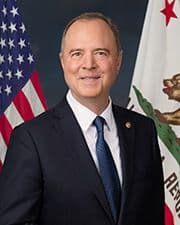
Adam B. Schiff
Democratic Representative
California
Cosponsors (22)
Jared Huffman (Democratic)Sheila Jackson Lee (Democratic)Terri A. Sewell (Democratic)Jimmy Panetta (Democratic)J. Luis Correa (Democratic)Tony Cárdenas (Democratic)Donald M. Payne (Democratic)Lucille Roybal-Allard (Democratic)Ro Khanna (Democratic)André Carson (Democratic)Anna G. Eshoo (Democratic)Eleanor Holmes Norton (Democratic)Norma J. Torres (Democratic)Salud O. Carbajal (Democratic)James P. McGovern (Democratic)Alexandria Ocasio-Cortez (Democratic)Julia Brownley (Democratic)TJ Cox (Democratic)Linda T. Sánchez (Democratic)Ayanna Pressley (Democratic)Katie Porter (Democratic)Judy Chu (Democratic)
Education and Workforce Committee
- Introduced
- In Committee
- On Floor
- Passed Chamber
- Enacted
Food for Thought Act of 2019 This bill directs the Food and Nutrition Service (FNS) to implement a pilot program to award grants to community colleges so they may provide free meals, including snacks, to eligible students. The FNS must provide grants to community colleges that reflect varying (1) student body size; (2) full-time student enrollment; (3) geographic location, including urban, rural, or suburban campuses; (4) minority serving institutions; and (5) residential character, including race, ethnicity, and socioeconomic status. The FNS may give priority to community colleges (1) with prepared food infrastructure, or those that can identify outside sources of support to help develop such infrastructure; (2) that serve more than 300 students who are eligible for Federal Pell Grants; or (3) that are located within proximity of a school in a high poverty area that receives special assistance payments under the National School Lunch Program or the School Breakfast Program.
View Full TextSuggested Questions
Get AI-generated questions to help you understand this bill better
Timeline
Introduced in House
Referred to the House Committee on Education and Labor.
Agriculture and Food
Congressional oversightEducation programs fundingFood assistance and reliefGovernment information and archivesGovernment studies and investigationsHigher education
Food for Thought Act of 2019
USA116th CongressHR-4065| House
| Updated: 7/25/2019
Food for Thought Act of 2019 This bill directs the Food and Nutrition Service (FNS) to implement a pilot program to award grants to community colleges so they may provide free meals, including snacks, to eligible students. The FNS must provide grants to community colleges that reflect varying (1) student body size; (2) full-time student enrollment; (3) geographic location, including urban, rural, or suburban campuses; (4) minority serving institutions; and (5) residential character, including race, ethnicity, and socioeconomic status. The FNS may give priority to community colleges (1) with prepared food infrastructure, or those that can identify outside sources of support to help develop such infrastructure; (2) that serve more than 300 students who are eligible for Federal Pell Grants; or (3) that are located within proximity of a school in a high poverty area that receives special assistance payments under the National School Lunch Program or the School Breakfast Program.
View Full TextSuggested Questions
Get AI-generated questions to help you understand this bill better
Timeline
Introduced in House
Referred to the House Committee on Education and Labor.
Adam B. Schiff
Democratic Representative
California
Cosponsors (22)
Jared Huffman (Democratic)Sheila Jackson Lee (Democratic)Terri A. Sewell (Democratic)Jimmy Panetta (Democratic)J. Luis Correa (Democratic)Tony Cárdenas (Democratic)Donald M. Payne (Democratic)Lucille Roybal-Allard (Democratic)Ro Khanna (Democratic)André Carson (Democratic)Anna G. Eshoo (Democratic)Eleanor Holmes Norton (Democratic)Norma J. Torres (Democratic)Salud O. Carbajal (Democratic)James P. McGovern (Democratic)Alexandria Ocasio-Cortez (Democratic)Julia Brownley (Democratic)TJ Cox (Democratic)Linda T. Sánchez (Democratic)Ayanna Pressley (Democratic)Katie Porter (Democratic)Judy Chu (Democratic)
Education and Workforce Committee
Agriculture and Food
- Introduced
- In Committee
- On Floor
- Passed Chamber
- Enacted
Congressional oversightEducation programs fundingFood assistance and reliefGovernment information and archivesGovernment studies and investigationsHigher education