Climate Stewardship Act of 2019
USA116th CongressHR-4269| House
| Updated: 9/16/2019
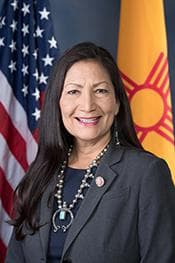
Debra A. Haaland
Democratic Representative
New Mexico
Cosponsors (10)
Committees (6)
• Federal Lands Subcommittee• Indian and Insular Affairs Subcommittee• Agriculture Committee• Water, Wildlife and Fisheries Subcommittee• Science, Space, and Technology Committee• Natural Resources Committee
- Introduced
- In Committee
- On Floor
- Passed Chamber
- Enacted
Climate Stewardship Act of 2019 This bill provides funding and incentives for states, Indian tribes, local governments, and other entities to carry out climate stewardship practices, including farm and ranch conservation practices, reforestation projects, and wetland restoration projects. For example, the bill extends through FY2030 the Conservation Reserve Program, the Agricultural Conservation Easement Program, the Environmental Quality Incentives Program, and the Conservation Stewardship Program. It also modifies and increases funding levels for some of these programs. The Forest Service must award cost-share grants to states, Indian tribes, local governments, and nonprofit entities to conduct projects to reforest certain land. The bill also establishes a civilian conservation corps to provide youth from low-income communities, indigenous communities, and communities of color with the academic, vocational, and social skills necessary to pursue long-term, productive careers in the forest sector and the wetland restoration sector. Further, the bill sets forth a grant program for states, Indian tribes, local governments, institutions of higher education, and nonprofit entities to conduct coastal wetland restoration projects, including projects that mitigate greenhouse gas emissions.
View Full TextSuggested Questions
Get AI-generated questions to help you understand this bill better
Timeline
Introduced in House
Referred to the Committee on Agriculture, and in addition to the Committees on Natural Resources, and Science, Space, and Technology, for a period to be subsequently determined by the Speaker, in each case for consideration of such provisions as fall within the jurisdiction of the committee concerned.
Referred to the Subcommittee on Water, Oceans, and Wildlife.
Referred to the Subcommittee for Indigenous Peoples of the United States.
Referred to the Subcommittee on National Parks, Forests, and Public Lands.
Agriculture and Food
Agricultural conservation and pollutionAgricultural educationAgricultural marketing and promotionAgricultural practices and innovationsAgricultural prices, subsidies, creditAgricultural researchAir qualityAlabamaAppropriationsAtmospheric science and weatherBuilding constructionClimate change and greenhouse gasesCongressional oversightDistrict of ColumbiaEducation programs fundingEnergy efficiency and conservationEnvironmental assessment, monitoring, researchFarmlandFiresFood supply, safety, and labelingForests, forestry, treesGovernment trust fundsHigher educationIndian lands and resources rightsMarine and coastal resources, fisheriesPoverty and welfare assistanceResearch administration and fundingResearch and developmentRural conditions and developmentSmall businessSocial work, volunteer service, charitable organizationsUrban and suburban affairs and developmentWetlandsWildlife conservation and habitat protectionYouth employment and child labor
Climate Stewardship Act of 2019
USA116th CongressHR-4269| House
| Updated: 9/16/2019
Climate Stewardship Act of 2019 This bill provides funding and incentives for states, Indian tribes, local governments, and other entities to carry out climate stewardship practices, including farm and ranch conservation practices, reforestation projects, and wetland restoration projects. For example, the bill extends through FY2030 the Conservation Reserve Program, the Agricultural Conservation Easement Program, the Environmental Quality Incentives Program, and the Conservation Stewardship Program. It also modifies and increases funding levels for some of these programs. The Forest Service must award cost-share grants to states, Indian tribes, local governments, and nonprofit entities to conduct projects to reforest certain land. The bill also establishes a civilian conservation corps to provide youth from low-income communities, indigenous communities, and communities of color with the academic, vocational, and social skills necessary to pursue long-term, productive careers in the forest sector and the wetland restoration sector. Further, the bill sets forth a grant program for states, Indian tribes, local governments, institutions of higher education, and nonprofit entities to conduct coastal wetland restoration projects, including projects that mitigate greenhouse gas emissions.
View Full TextSuggested Questions
Get AI-generated questions to help you understand this bill better
Timeline
Introduced in House
Referred to the Committee on Agriculture, and in addition to the Committees on Natural Resources, and Science, Space, and Technology, for a period to be subsequently determined by the Speaker, in each case for consideration of such provisions as fall within the jurisdiction of the committee concerned.
Referred to the Subcommittee on Water, Oceans, and Wildlife.
Referred to the Subcommittee for Indigenous Peoples of the United States.
Referred to the Subcommittee on National Parks, Forests, and Public Lands.
Debra A. Haaland
Democratic Representative
New Mexico
Cosponsors (10)
Committees (6)
• Federal Lands Subcommittee• Indian and Insular Affairs Subcommittee• Agriculture Committee• Water, Wildlife and Fisheries Subcommittee• Science, Space, and Technology Committee• Natural Resources Committee
Agriculture and Food
Related Bills
- Introduced
- In Committee
- On Floor
- Passed Chamber
- Enacted
Agricultural conservation and pollutionAgricultural educationAgricultural marketing and promotionAgricultural practices and innovationsAgricultural prices, subsidies, creditAgricultural researchAir qualityAlabamaAppropriationsAtmospheric science and weatherBuilding constructionClimate change and greenhouse gasesCongressional oversightDistrict of ColumbiaEducation programs fundingEnergy efficiency and conservationEnvironmental assessment, monitoring, researchFarmlandFiresFood supply, safety, and labelingForests, forestry, treesGovernment trust fundsHigher educationIndian lands and resources rightsMarine and coastal resources, fisheriesPoverty and welfare assistanceResearch administration and fundingResearch and developmentRural conditions and developmentSmall businessSocial work, volunteer service, charitable organizationsUrban and suburban affairs and developmentWetlandsWildlife conservation and habitat protectionYouth employment and child labor