Justice in Forensic Algorithms Act of 2019
USA116th CongressHR-4368| House
| Updated: 10/2/2019
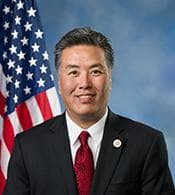
Mark Takano
Democratic Representative
California
Courts, Intellectual Property, Artificial Intelligence, and the Internet Subcommittee, Judiciary Committee, Science, Space, and Technology Committee
- Introduced
- In Committee
- On Floor
- Passed Chamber
- Enacted
Justice in Forensic Algorithms Act of 2019 This bill establishes federal standards and procedures for the use of computational forensic software. ( Computational forensic software refers to software that relies on an automated or semiautomated computational process to process, analyze, or interpret evidence.) It also prohibits the use of trade secret protections to prevent criminal defendants from accessing evidence. First, the National Institute of Standards and Technology (NIST) must establish the Computational Forensic Algorithm Standards for the development and use of computational forensic software. These standards must, among other things, address requirements related to software testing and reporting to criminal defendants on the use and results of software in their cases. Further, NIST must establish the Computational Forensic Algorithm Testing Program. The testing program must, among other things, test individual software programs using NIST standards. Federal law enforcement agencies and related crime laboratories must comply with these NIST standards and testing requirements in their use of computational forensic software. In addition, criminal defendants must receive information resulting from analysis by computational forensic software, including access to the software for testing purposes. Evidence resulting from computational forensic software is only admissible in a criminal case if (1) the software was submitted to the NIST testing program, and (2) the software developers and users waive their legal claims against the defense for the purposes of the defense analyzing or testing such software. The bill also prohibits the use of trade secret protections when a criminal defendant would otherwise be entitled to obtain evidence.
View Full TextSuggested Questions
Get AI-generated questions to help you understand this bill better
Timeline
Introduced in House
Referred to the Committee on the Judiciary, and in addition to the Committee on Science, Space, and Technology, for a period to be subsequently determined by the Speaker, in each case for consideration of such provisions as fall within the jurisdiction of the committee concerned.
Referred to the Subcommittee on Courts, Intellectual Property, and the Internet.
Crime and Law Enforcement
Computers and information technologyCriminal investigation, prosecution, interrogationCriminal justice information and recordsCriminal procedure and sentencingEvidence and witnessesGovernment information and archivesPerformance measurementTrade secrets and economic espionage
Justice in Forensic Algorithms Act of 2019
USA116th CongressHR-4368| House
| Updated: 10/2/2019
Justice in Forensic Algorithms Act of 2019 This bill establishes federal standards and procedures for the use of computational forensic software. ( Computational forensic software refers to software that relies on an automated or semiautomated computational process to process, analyze, or interpret evidence.) It also prohibits the use of trade secret protections to prevent criminal defendants from accessing evidence. First, the National Institute of Standards and Technology (NIST) must establish the Computational Forensic Algorithm Standards for the development and use of computational forensic software. These standards must, among other things, address requirements related to software testing and reporting to criminal defendants on the use and results of software in their cases. Further, NIST must establish the Computational Forensic Algorithm Testing Program. The testing program must, among other things, test individual software programs using NIST standards. Federal law enforcement agencies and related crime laboratories must comply with these NIST standards and testing requirements in their use of computational forensic software. In addition, criminal defendants must receive information resulting from analysis by computational forensic software, including access to the software for testing purposes. Evidence resulting from computational forensic software is only admissible in a criminal case if (1) the software was submitted to the NIST testing program, and (2) the software developers and users waive their legal claims against the defense for the purposes of the defense analyzing or testing such software. The bill also prohibits the use of trade secret protections when a criminal defendant would otherwise be entitled to obtain evidence.
View Full TextSuggested Questions
Get AI-generated questions to help you understand this bill better
Timeline
Introduced in House
Referred to the Committee on the Judiciary, and in addition to the Committee on Science, Space, and Technology, for a period to be subsequently determined by the Speaker, in each case for consideration of such provisions as fall within the jurisdiction of the committee concerned.
Referred to the Subcommittee on Courts, Intellectual Property, and the Internet.
Mark Takano
Democratic Representative
California
Courts, Intellectual Property, Artificial Intelligence, and the Internet Subcommittee, Judiciary Committee, Science, Space, and Technology Committee
Crime and Law Enforcement
- Introduced
- In Committee
- On Floor
- Passed Chamber
- Enacted
Computers and information technologyCriminal investigation, prosecution, interrogationCriminal justice information and recordsCriminal procedure and sentencingEvidence and witnessesGovernment information and archivesPerformance measurementTrade secrets and economic espionage