Human Trafficking and Exploitation Prevention Training Act of 2019
USA116th CongressHR-4388| House
| Updated: 9/19/2019
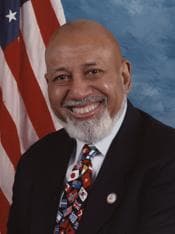
Alcee L. Hastings
Democratic Representative
Florida
Cosponsors (24)
Al Lawson (Democratic)Tom Cole (Republican)Pete Olson (Republican)Darren Soto (Democratic)Sheila Jackson Lee (Democratic)Michael Waltz (Republican)Gus M. Bilirakis (Republican)Brian J. Mast (Republican)Josh Harder (Democratic)W. Gregory Steube (Republican)Eleanor Holmes Norton (Democratic)Jim Costa (Democratic)Debbie Mucarsel-Powell (Democratic)James P. McGovern (Democratic)Julia Brownley (Democratic)Debbie Lesko (Republican)Brian K. Fitzpatrick (Republican)Charlie Crist (Democratic)Bill Posey (Republican)Donna E. Shalala (Democratic)Debbie Wasserman Schultz (Democratic)Lauren Underwood (Democratic)Ross Spano (Republican)Vern Buchanan (Republican)
Health Subcommittee, Energy and Commerce Committee
- Introduced
- In Committee
- On Floor
- Passed Chamber
- Enacted
Human Trafficking and Exploitation Prevention Training Act of 2019 This bill requires the Office on Trafficking in Persons (OTIP) within the Administration for Children and Families to award grants to nonprofits, state agencies, elementary and secondary schools for demonstration projects to train students, teachers, and school personnel how to better understand, recognize, prevent, and respond to human trafficking and the exploitation of children and youth. Such projects also must collect data about the number of human trafficking survivors served and develop procedures to coordinate with law enforcement and appropriate social service organizations. The OTIP must consult with the appropriate agencies to determine and prioritize funding for geographic areas with the highest prevalence of human trafficking and largest underserved youth populations.
View Full TextSuggested Questions
Get AI-generated questions to help you understand this bill better
Timeline
Introduced in House
Referred to the House Committee on Energy and Commerce.
Referred to the Subcommittee on Health.
Health
Child healthChild safety and welfareCongressional oversightCrime preventionCrime victimsEducation programs fundingElementary and secondary educationEmployment and training programsHealth programs administration and fundingHuman traffickingLaw enforcement administration and fundingSchool administrationTeaching, teachers, curricula
Human Trafficking and Exploitation Prevention Training Act of 2019
USA116th CongressHR-4388| House
| Updated: 9/19/2019
Human Trafficking and Exploitation Prevention Training Act of 2019 This bill requires the Office on Trafficking in Persons (OTIP) within the Administration for Children and Families to award grants to nonprofits, state agencies, elementary and secondary schools for demonstration projects to train students, teachers, and school personnel how to better understand, recognize, prevent, and respond to human trafficking and the exploitation of children and youth. Such projects also must collect data about the number of human trafficking survivors served and develop procedures to coordinate with law enforcement and appropriate social service organizations. The OTIP must consult with the appropriate agencies to determine and prioritize funding for geographic areas with the highest prevalence of human trafficking and largest underserved youth populations.
View Full TextSuggested Questions
Get AI-generated questions to help you understand this bill better
Timeline
Introduced in House
Referred to the House Committee on Energy and Commerce.
Referred to the Subcommittee on Health.
Alcee L. Hastings
Democratic Representative
Florida
Cosponsors (24)
Al Lawson (Democratic)Tom Cole (Republican)Pete Olson (Republican)Darren Soto (Democratic)Sheila Jackson Lee (Democratic)Michael Waltz (Republican)Gus M. Bilirakis (Republican)Brian J. Mast (Republican)Josh Harder (Democratic)W. Gregory Steube (Republican)Eleanor Holmes Norton (Democratic)Jim Costa (Democratic)Debbie Mucarsel-Powell (Democratic)James P. McGovern (Democratic)Julia Brownley (Democratic)Debbie Lesko (Republican)Brian K. Fitzpatrick (Republican)Charlie Crist (Democratic)Bill Posey (Republican)Donna E. Shalala (Democratic)Debbie Wasserman Schultz (Democratic)Lauren Underwood (Democratic)Ross Spano (Republican)Vern Buchanan (Republican)
Health Subcommittee, Energy and Commerce Committee
Health
Related Bills
- Introduced
- In Committee
- On Floor
- Passed Chamber
- Enacted
Child healthChild safety and welfareCongressional oversightCrime preventionCrime victimsEducation programs fundingElementary and secondary educationEmployment and training programsHealth programs administration and fundingHuman traffickingLaw enforcement administration and fundingSchool administrationTeaching, teachers, curricula