Don’t Break Up the T-Band Act of 2020
USA116th CongressHR-451| House
| Updated: 9/24/2020
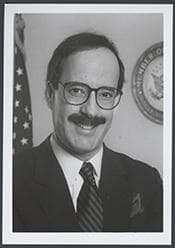
Eliot L. Engel
Democratic Representative
New York
Cosponsors (24)
Adam B. Schiff (Democratic)Nita M. Lowey (Democratic)Peter T. King (Republican)Lee M. Zeldin (Republican)Kathleen M. Rice (Democratic)Sheila Jackson Lee (Democratic)Jefferson Van Drew (Republican)Carolyn B. Maloney (Democratic)Max Rose (Democratic)Michael F. Doyle (Democratic)Thomas R. Suozzi (Democratic)Adriano Espaillat (Democratic)Al Green (Democratic)Stephen F. Lynch (Democratic)Eleanor Holmes Norton (Democratic)Norma J. Torres (Democratic)Conor Lamb (Democratic)Joe Neguse (Democratic)Nydia M. Velázquez (Democratic)Seth Moulton (Democratic)Josh Gottheimer (Democratic)Grace Meng (Democratic)Bill Pascrell (Democratic)Grace F. Napolitano (Democratic)
Commerce, Science, and Transportation Committee, Communications and Technology Subcommittee, Energy and Commerce Committee
- Introduced
- In Committee
- On Floor
- Passed Chamber
- Enacted
Don't Break Up the T-Band Act of 2020 This bill repeals a provision requiring the reallocation of spectrum currently used by public safety entities and otherwise addresses 9–1–1 fees and charges collected for the purpose of supporting 9–1–1 services. Specifically, the bill repeals the requirement for the Federal Communications Commission (FCC) to reallocate and auction the 470-512 MHz band (referred to as the T-Band spectrum ). The T-Band spectrum is a frequency range currently utilized by public safety entities in certain urban areas. The bill also requires the FCC to issue rules designating acceptable purposes and functions for the obligation or expenditure of 9–1–1 fees or charges. Such purposes and functions shall be limited to the support and implementation of 9–1–1 services and the operational expenses of public safety answering points (i.e., the points where emergency calls are routed), but a state or taxing jurisdiction may petition the FCC for a determination that other purposes or functions should be treated as acceptable purposes or functions. In addition, the bill establishes the Ending 9–1–1 Fee Diversion Now Strike Force, to which the FCC must submit any evidence it obtains that a state or taxing jurisdiction is diverting 9–1–1 fees or charges. The strike force must (1) study how the federal government can end such diversion through a determination of the effectiveness of laws and other constraints, (2) consider whether criminal penalties should be implemented to prevent further diversion, and (3) determine the impacts of such diversion.
Suggested Questions
Get AI-generated questions to help you understand this bill better
Timeline
Introduced in House
Referred to the House Committee on Energy and Commerce.
Referred to the Subcommittee on Communications and Technology.
Subcommittee Hearings Held.
Subcommittee Consideration and Mark-up Session Held.
Forwarded by Subcommittee to Full Committee (Amended) by Voice Vote .
Committee Consideration and Mark-up Session Held.
Ordered to be Reported (Amended) by Voice Vote.
Placed on the Union Calendar, Calendar No. 421.
Reported (Amended) by the Committee on Energy and Commerce. H. Rept. 116-521.
Mr. McNerney moved to suspend the rules and pass the bill, as amended.
Considered under suspension of the rules. (consideration: CR H4614-4616)
DEBATE - The House proceeded with forty minutes of debate on H.R. 451.
At the conclusion of debate, the Yeas and Nays were demanded and ordered. Pursuant to the provisions of clause 8, rule XX, the Chair announced that further proceedings on the motion would be postponed.
Considered as unfinished business. (consideration: CR H4773-4774)
On motion to suspend the rules and pass the bill, as amended Agreed to by the Yeas and Nays: (2/3 required): 410 - 5 (Roll no. 201). (text: CR 9/21/2020 H4614-4615)
View VoteMotion to reconsider laid on the table Agreed to without objection.
The title of the measure was amended. Agreed to without objection.
Received in the Senate and Read twice and referred to the Committee on Commerce, Science, and Transportation.
Science, Technology, Communications
Emergency communications systemsFederal Communications Commission (FCC)Internet and video servicesInternet, web applications, social mediaLicensing and registrationsRadio spectrum allocationTelephone and wireless communication
Don’t Break Up the T-Band Act of 2020
USA116th CongressHR-451| House
| Updated: 9/24/2020
Don't Break Up the T-Band Act of 2020 This bill repeals a provision requiring the reallocation of spectrum currently used by public safety entities and otherwise addresses 9–1–1 fees and charges collected for the purpose of supporting 9–1–1 services. Specifically, the bill repeals the requirement for the Federal Communications Commission (FCC) to reallocate and auction the 470-512 MHz band (referred to as the T-Band spectrum ). The T-Band spectrum is a frequency range currently utilized by public safety entities in certain urban areas. The bill also requires the FCC to issue rules designating acceptable purposes and functions for the obligation or expenditure of 9–1–1 fees or charges. Such purposes and functions shall be limited to the support and implementation of 9–1–1 services and the operational expenses of public safety answering points (i.e., the points where emergency calls are routed), but a state or taxing jurisdiction may petition the FCC for a determination that other purposes or functions should be treated as acceptable purposes or functions. In addition, the bill establishes the Ending 9–1–1 Fee Diversion Now Strike Force, to which the FCC must submit any evidence it obtains that a state or taxing jurisdiction is diverting 9–1–1 fees or charges. The strike force must (1) study how the federal government can end such diversion through a determination of the effectiveness of laws and other constraints, (2) consider whether criminal penalties should be implemented to prevent further diversion, and (3) determine the impacts of such diversion.
Suggested Questions
Get AI-generated questions to help you understand this bill better
Timeline
Introduced in House
Referred to the House Committee on Energy and Commerce.
Referred to the Subcommittee on Communications and Technology.
Subcommittee Hearings Held.
Subcommittee Consideration and Mark-up Session Held.
Forwarded by Subcommittee to Full Committee (Amended) by Voice Vote .
Committee Consideration and Mark-up Session Held.
Ordered to be Reported (Amended) by Voice Vote.
Placed on the Union Calendar, Calendar No. 421.
Reported (Amended) by the Committee on Energy and Commerce. H. Rept. 116-521.
Mr. McNerney moved to suspend the rules and pass the bill, as amended.
Considered under suspension of the rules. (consideration: CR H4614-4616)
DEBATE - The House proceeded with forty minutes of debate on H.R. 451.
At the conclusion of debate, the Yeas and Nays were demanded and ordered. Pursuant to the provisions of clause 8, rule XX, the Chair announced that further proceedings on the motion would be postponed.
Considered as unfinished business. (consideration: CR H4773-4774)
On motion to suspend the rules and pass the bill, as amended Agreed to by the Yeas and Nays: (2/3 required): 410 - 5 (Roll no. 201). (text: CR 9/21/2020 H4614-4615)
View VoteMotion to reconsider laid on the table Agreed to without objection.
The title of the measure was amended. Agreed to without objection.
Received in the Senate and Read twice and referred to the Committee on Commerce, Science, and Transportation.
Eliot L. Engel
Democratic Representative
New York
Cosponsors (24)
Adam B. Schiff (Democratic)Nita M. Lowey (Democratic)Peter T. King (Republican)Lee M. Zeldin (Republican)Kathleen M. Rice (Democratic)Sheila Jackson Lee (Democratic)Jefferson Van Drew (Republican)Carolyn B. Maloney (Democratic)Max Rose (Democratic)Michael F. Doyle (Democratic)Thomas R. Suozzi (Democratic)Adriano Espaillat (Democratic)Al Green (Democratic)Stephen F. Lynch (Democratic)Eleanor Holmes Norton (Democratic)Norma J. Torres (Democratic)Conor Lamb (Democratic)Joe Neguse (Democratic)Nydia M. Velázquez (Democratic)Seth Moulton (Democratic)Josh Gottheimer (Democratic)Grace Meng (Democratic)Bill Pascrell (Democratic)Grace F. Napolitano (Democratic)
Commerce, Science, and Transportation Committee, Communications and Technology Subcommittee, Energy and Commerce Committee
Science, Technology, Communications
Related Bills
- Introduced
- In Committee
- On Floor
- Passed Chamber
- Enacted
Emergency communications systemsFederal Communications Commission (FCC)Internet and video servicesInternet, web applications, social mediaLicensing and registrationsRadio spectrum allocationTelephone and wireless communication