Budgeting for Opioid Addiction Treatment Act
USA116th CongressHR-4793| House
| Updated: 10/23/2019
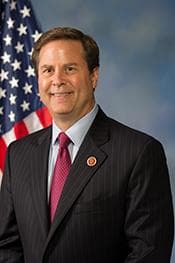
Donald Norcross
Democratic Representative
New Jersey
Cosponsors (1)
Ways and Means Committee, Health Subcommittee, Energy and Commerce Committee
- Introduced
- In Committee
- On Floor
- Passed Chamber
- Enacted
Budgeting for Opioid Addiction Treatment Act This bill imposes a one cent per milligram fee on the sale of active opioids by the manufacturer, producer, or importer. The fee excludes prescription drugs used exclusively for the treatment of opioid addiction as part of a medically assisted treatment effort. The Department of Health and Human Services (HHS) must establish a program to provide rebates or discounts to cancer and hospice patients to ensure that they do not pay the fee. Any increase in federal revenues from the fee after rebates and discounts are subtracted must be distributed to states under the Substance Abuse Prevention and Treatment Block Grant program. The states must use the funds exclusively for substance abuse (including opioid abuse) efforts in the states, including (1) specified treatment programs, and (2) the recruitment and training of substance use disorder professionals to work in rural and medically underserved communities. HHS must report to Congress on the impact of this bill on the retail cost of opioids and patient access to opioid medication, the effectiveness of the discount or rebate for cancer and hospice patients, how the funds are being used to improve substance abuse treatment efforts, and suggestions for improving access to opioids for cancer and hospice patients and substance abuse treatment efforts.
View Full TextSuggested Questions
Get AI-generated questions to help you understand this bill better
Timeline
Introduced in House
Referred to the Committee on Energy and Commerce, and in addition to the Committee on Ways and Means, for a period to be subsequently determined by the Speaker, in each case for consideration of such provisions as fall within the jurisdiction of the committee concerned.
Referred to the Subcommittee on Health.
Taxation
CancerCongressional oversightDrug, alcohol, tobacco useDrug trafficking and controlled substancesHealth care coverage and accessHealth programs administration and fundingHealth promotion and preventive careLong-term, rehabilitative, and terminal carePrescription drugsSales and excise taxes
Budgeting for Opioid Addiction Treatment Act
USA116th CongressHR-4793| House
| Updated: 10/23/2019
Budgeting for Opioid Addiction Treatment Act This bill imposes a one cent per milligram fee on the sale of active opioids by the manufacturer, producer, or importer. The fee excludes prescription drugs used exclusively for the treatment of opioid addiction as part of a medically assisted treatment effort. The Department of Health and Human Services (HHS) must establish a program to provide rebates or discounts to cancer and hospice patients to ensure that they do not pay the fee. Any increase in federal revenues from the fee after rebates and discounts are subtracted must be distributed to states under the Substance Abuse Prevention and Treatment Block Grant program. The states must use the funds exclusively for substance abuse (including opioid abuse) efforts in the states, including (1) specified treatment programs, and (2) the recruitment and training of substance use disorder professionals to work in rural and medically underserved communities. HHS must report to Congress on the impact of this bill on the retail cost of opioids and patient access to opioid medication, the effectiveness of the discount or rebate for cancer and hospice patients, how the funds are being used to improve substance abuse treatment efforts, and suggestions for improving access to opioids for cancer and hospice patients and substance abuse treatment efforts.
View Full TextSuggested Questions
Get AI-generated questions to help you understand this bill better
Timeline
Introduced in House
Referred to the Committee on Energy and Commerce, and in addition to the Committee on Ways and Means, for a period to be subsequently determined by the Speaker, in each case for consideration of such provisions as fall within the jurisdiction of the committee concerned.
Referred to the Subcommittee on Health.
Donald Norcross
Democratic Representative
New Jersey
Cosponsors (1)
Ways and Means Committee, Health Subcommittee, Energy and Commerce Committee
Taxation
- Introduced
- In Committee
- On Floor
- Passed Chamber
- Enacted
CancerCongressional oversightDrug, alcohol, tobacco useDrug trafficking and controlled substancesHealth care coverage and accessHealth programs administration and fundingHealth promotion and preventive careLong-term, rehabilitative, and terminal carePrescription drugsSales and excise taxes