TREES Act
USA116th CongressHR-5615| House
| Updated: 1/15/2020
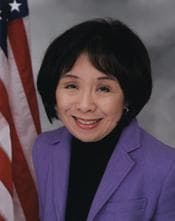
Doris O. Matsui
Democratic Representative
California
Cosponsors (7)
Energy and Commerce Committee
- Introduced
- In Committee
- On Floor
- Passed Chamber
- Enacted
The Residential Energy and Economic Savings Act or the TREES Act This bill provides incentives for retail power providers or cities to plant trees to reduce energy costs. Specifically, the Department of Energy (DOE) must establish a program to award grants to retail power providers that partner with nonprofit tree-planting organizations to establish or continue operating tree-planting programs. Under the program, retail power providers must give residential consumers free or discounted trees that provide maximum amounts of shade during the summer or wind protection during the fall and winter. Retail power providers include entities that generate, distribute, or provide retail electricity, natural gas, or fuel oil service. In addition, DOE must annually give an award that designates communities or other areas as the Arbor City of America. The award must recognize communities for superior efforts in increasing tree canopy coverage and assisting residents in reducing energy costs. DOE must give award recipients funding for green infrastructure or green spaces.
View Full TextSuggested Questions
Get AI-generated questions to help you understand this bill better
Timeline
Introduced in House
Referred to the House Committee on Energy and Commerce.
Energy
Advisory bodiesCongressional oversightEmployment and training programsEnergy efficiency and conservationEnvironmental educationForests, forestry, treesPublic utilities and utility ratesSocial work, volunteer service, charitable organizationsState and local government operations
TREES Act
USA116th CongressHR-5615| House
| Updated: 1/15/2020
The Residential Energy and Economic Savings Act or the TREES Act This bill provides incentives for retail power providers or cities to plant trees to reduce energy costs. Specifically, the Department of Energy (DOE) must establish a program to award grants to retail power providers that partner with nonprofit tree-planting organizations to establish or continue operating tree-planting programs. Under the program, retail power providers must give residential consumers free or discounted trees that provide maximum amounts of shade during the summer or wind protection during the fall and winter. Retail power providers include entities that generate, distribute, or provide retail electricity, natural gas, or fuel oil service. In addition, DOE must annually give an award that designates communities or other areas as the Arbor City of America. The award must recognize communities for superior efforts in increasing tree canopy coverage and assisting residents in reducing energy costs. DOE must give award recipients funding for green infrastructure or green spaces.
View Full TextSuggested Questions
Get AI-generated questions to help you understand this bill better
Timeline
Introduced in House
Referred to the House Committee on Energy and Commerce.
Doris O. Matsui
Democratic Representative
California
Cosponsors (7)
Energy and Commerce Committee
Energy
- Introduced
- In Committee
- On Floor
- Passed Chamber
- Enacted
Advisory bodiesCongressional oversightEmployment and training programsEnergy efficiency and conservationEnvironmental educationForests, forestry, treesPublic utilities and utility ratesSocial work, volunteer service, charitable organizationsState and local government operations