No Congressionally Obligated Recurring Revenue Used as Pensions To Incarcerated Officials Now Act
USA116th CongressHR-5980| House
| Updated: 2/26/2020
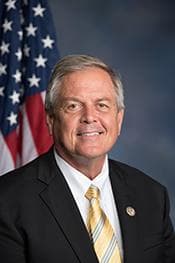
Ralph Norman
Republican Representative
South Carolina
Cosponsors (5)
Committee on House Administration, Oversight and Government Reform Committee
- Introduced
- In Committee
- On Floor
- Passed Chamber
- Enacted
No Congressionally Obligated Recurring Revenue Used as Pensions To Incarcerated Officials Now Act This bill makes a Member of Congress who has been convicted of a crime related to public corruption ineligible between the date of sentencing and the date of final conviction to receive retirement payments pursuant to the Civil Service Retirement System or the Federal Employees' Retirement System based on their service as a Member. Under current law, a Member must forgo receipt of these payments only after a final conviction (i.e., after the exhaustion of all appeals under the judicial process).
View Full TextSuggested Questions
Get AI-generated questions to help you understand this bill better
Timeline
Introduced in House
Referred to the Committee on House Administration, and in addition to the Committee on Oversight and Reform, for a period to be subsequently determined by the Speaker, in each case for consideration of such provisions as fall within the jurisdiction of the committee concerned.
Congress
Fraud offenses and financial crimesGovernment employee pay, benefits, personnel managementGovernment ethics and transparency, public corruptionMembers of Congress
No Congressionally Obligated Recurring Revenue Used as Pensions To Incarcerated Officials Now Act
USA116th CongressHR-5980| House
| Updated: 2/26/2020
No Congressionally Obligated Recurring Revenue Used as Pensions To Incarcerated Officials Now Act This bill makes a Member of Congress who has been convicted of a crime related to public corruption ineligible between the date of sentencing and the date of final conviction to receive retirement payments pursuant to the Civil Service Retirement System or the Federal Employees' Retirement System based on their service as a Member. Under current law, a Member must forgo receipt of these payments only after a final conviction (i.e., after the exhaustion of all appeals under the judicial process).
View Full TextSuggested Questions
Get AI-generated questions to help you understand this bill better
Timeline
Introduced in House
Referred to the Committee on House Administration, and in addition to the Committee on Oversight and Reform, for a period to be subsequently determined by the Speaker, in each case for consideration of such provisions as fall within the jurisdiction of the committee concerned.
Ralph Norman
Republican Representative
South Carolina
Cosponsors (5)
Committee on House Administration, Oversight and Government Reform Committee
Congress
Related Bills
- Introduced
- In Committee
- On Floor
- Passed Chamber
- Enacted
Fraud offenses and financial crimesGovernment employee pay, benefits, personnel managementGovernment ethics and transparency, public corruptionMembers of Congress