Emergency Social Security Benefits Improvement Act
USA116th CongressHR-6356| House
| Updated: 3/23/2020
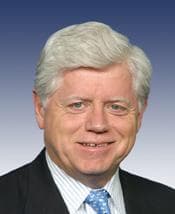
John B. Larson
Democratic Representative
Connecticut
Cosponsors (54)
Tim Ryan (Democratic)Barbara Lee (Democratic)Joseph P. Kennedy (Democratic)Raúl M. Grijalva (Democratic)Mark Pocan (Democratic)Lisa Blunt Rochester (Democratic)Brian Higgins (Democratic)Debra A. Haaland (Democratic)Joe Courtney (Democratic)Sanford D. Bishop (Democratic)Ilhan Omar (Democratic)Pete Aguilar (Democratic)Juan Vargas (Democratic)Terri A. Sewell (Democratic)Bobby L. Rush (Democratic)Gregorio Kilili Camacho Sablan (Democratic)Michael F. Doyle (Democratic)Steve Cohen (Democratic)Tony Cárdenas (Democratic)Wm. Lacy Clay (Democratic)Danny K. Davis (Democratic)Peter A. DeFazio (Democratic)Daniel T. Kildee (Democratic)Vicente Gonzalez (Democratic)Ro Khanna (Democratic)Alan S. Lowenthal (Democratic)André Carson (Democratic)Brendan F. Boyle (Democratic)Matt Cartwright (Democratic)Joaquin Castro (Democratic)Jahana Hayes (Democratic)Theodore E. Deutch (Democratic)Pramila Jayapal (Democratic)Eleanor Holmes Norton (Democratic)Bonnie Watson Coleman (Democratic)Jamie Raskin (Democratic)Lois Frankel (Democratic)James P. McGovern (Democratic)Adam Smith (Democratic)Julia Brownley (Democratic)Jerry McNerney (Democratic)Eddie Bernice Johnson (Democratic)Earl Blumenauer (Democratic)Lori Trahan (Democratic)Mike Thompson (Democratic)Linda T. Sánchez (Democratic)Ed Perlmutter (Democratic)Nanette Diaz Barragán (Democratic)Gwen Moore (Democratic)Chellie Pingree (Democratic)Bill Pascrell (Democratic)Grace F. Napolitano (Democratic)Susan Wild (Democratic)Judy Chu (Democratic)
Ways and Means Committee, Social Security Subcommittee, Energy and Commerce Committee
- Introduced
- In Committee
- On Floor
- Passed Chamber
- Enacted
Emergency Social Security Benefits Improvement Act This bill makes changes to Old-Age, Survivors, and Disability Insurance (OASDI) benefits, including by (1) modifying funding formulas, (2) extending eligibility for certain benefits, and (3) increasing income thresholds used to determine the percentage of OASDI benefits subject to federal income tax. Changes to funding formulas include (1) increasing the primary insurance amount, and (2) establishing new methods to calculate benefits for individuals with lifetime low earnings and for widows and widowers. In addition, children of a deceased, disabled, or retired worker remain eligible for benefits through age 22 if they are full-time students. Under current law, they receive benefits through age 18. The bill also extends dependent child benefits to specified family members other than grandparents or step-grandparents, including in cases where a court grants custody of the dependent child to an eligible family member. To receive benefits under current law, either both parents must be disabled or deceased or a grandparent or step-grandparent must legally adopt the dependent child.
View Full TextSuggested Questions
Get AI-generated questions to help you understand this bill better
Timeline
Introduced in House
Referred to the Committee on Ways and Means, and in addition to the Committee on Energy and Commerce, for a period to be subsequently determined by the Speaker, in each case for consideration of such provisions as fall within the jurisdiction of the committee concerned.
Referred to the Subcommittee on Social Security.
Social Welfare
AppropriationsChild healthDisability assistanceElementary and secondary educationFamily relationshipsGovernment trust fundsHealth care costs and insuranceHigher educationHospital careMedicaidMedicarePoverty and welfare assistanceSocial security and elderly assistance
Emergency Social Security Benefits Improvement Act
USA116th CongressHR-6356| House
| Updated: 3/23/2020
Emergency Social Security Benefits Improvement Act This bill makes changes to Old-Age, Survivors, and Disability Insurance (OASDI) benefits, including by (1) modifying funding formulas, (2) extending eligibility for certain benefits, and (3) increasing income thresholds used to determine the percentage of OASDI benefits subject to federal income tax. Changes to funding formulas include (1) increasing the primary insurance amount, and (2) establishing new methods to calculate benefits for individuals with lifetime low earnings and for widows and widowers. In addition, children of a deceased, disabled, or retired worker remain eligible for benefits through age 22 if they are full-time students. Under current law, they receive benefits through age 18. The bill also extends dependent child benefits to specified family members other than grandparents or step-grandparents, including in cases where a court grants custody of the dependent child to an eligible family member. To receive benefits under current law, either both parents must be disabled or deceased or a grandparent or step-grandparent must legally adopt the dependent child.
View Full TextSuggested Questions
Get AI-generated questions to help you understand this bill better
Timeline
Introduced in House
Referred to the Committee on Ways and Means, and in addition to the Committee on Energy and Commerce, for a period to be subsequently determined by the Speaker, in each case for consideration of such provisions as fall within the jurisdiction of the committee concerned.
Referred to the Subcommittee on Social Security.
John B. Larson
Democratic Representative
Connecticut
Cosponsors (54)
Tim Ryan (Democratic)Barbara Lee (Democratic)Joseph P. Kennedy (Democratic)Raúl M. Grijalva (Democratic)Mark Pocan (Democratic)Lisa Blunt Rochester (Democratic)Brian Higgins (Democratic)Debra A. Haaland (Democratic)Joe Courtney (Democratic)Sanford D. Bishop (Democratic)Ilhan Omar (Democratic)Pete Aguilar (Democratic)Juan Vargas (Democratic)Terri A. Sewell (Democratic)Bobby L. Rush (Democratic)Gregorio Kilili Camacho Sablan (Democratic)Michael F. Doyle (Democratic)Steve Cohen (Democratic)Tony Cárdenas (Democratic)Wm. Lacy Clay (Democratic)Danny K. Davis (Democratic)Peter A. DeFazio (Democratic)Daniel T. Kildee (Democratic)Vicente Gonzalez (Democratic)Ro Khanna (Democratic)Alan S. Lowenthal (Democratic)André Carson (Democratic)Brendan F. Boyle (Democratic)Matt Cartwright (Democratic)Joaquin Castro (Democratic)Jahana Hayes (Democratic)Theodore E. Deutch (Democratic)Pramila Jayapal (Democratic)Eleanor Holmes Norton (Democratic)Bonnie Watson Coleman (Democratic)Jamie Raskin (Democratic)Lois Frankel (Democratic)James P. McGovern (Democratic)Adam Smith (Democratic)Julia Brownley (Democratic)Jerry McNerney (Democratic)Eddie Bernice Johnson (Democratic)Earl Blumenauer (Democratic)Lori Trahan (Democratic)Mike Thompson (Democratic)Linda T. Sánchez (Democratic)Ed Perlmutter (Democratic)Nanette Diaz Barragán (Democratic)Gwen Moore (Democratic)Chellie Pingree (Democratic)Bill Pascrell (Democratic)Grace F. Napolitano (Democratic)Susan Wild (Democratic)Judy Chu (Democratic)
Ways and Means Committee, Social Security Subcommittee, Energy and Commerce Committee
Social Welfare
Related Bills
- Introduced
- In Committee
- On Floor
- Passed Chamber
- Enacted
AppropriationsChild healthDisability assistanceElementary and secondary educationFamily relationshipsGovernment trust fundsHealth care costs and insuranceHigher educationHospital careMedicaidMedicarePoverty and welfare assistanceSocial security and elderly assistance