Health Force and Resilience Force Act of 2020
USA116th CongressHR-6808| House
| Updated: 5/13/2020
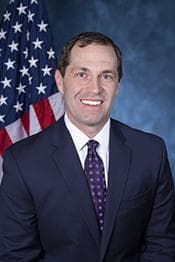
Jason Crow
Democratic Representative
Colorado
Cosponsors (20)
Al Lawson (Democratic)Gilbert Ray Cisneros (Democratic)Jared Huffman (Democratic)Chrissy Houlahan (Democratic)Sanford D. Bishop (Democratic)Terri A. Sewell (Democratic)Jimmy Panetta (Democratic)Thomas R. Suozzi (Democratic)Gregory W. Meeks (Democratic)Dean Phillips (Democratic)Jahana Hayes (Democratic)Eleanor Holmes Norton (Democratic)Diana DeGette (Democratic)Eddie Bernice Johnson (Democratic)TJ Cox (Democratic)Ed Perlmutter (Democratic)Bradley Scott Schneider (Democratic)Alcee L. Hastings (Democratic)Lauren Underwood (Democratic)Judy Chu (Democratic)
Transportation and Infrastructure Committee, Economic Development, Public Buildings, and Emergency Management Subcommittee, Energy and Commerce Committee, Budget Committee
- Introduced
- In Committee
- On Floor
- Passed Chamber
- Enacted
Health Force and Resilience Force Act of 2020 This bill establishes and expands programs to bring on individuals to perform public health functions, such as contact tracing and vaccine administration, to respond to the COVID-19 (i.e., coronavirus disease 2019) emergency and meet other public health needs after that emergency ends. The bill provides funding for the Centers for Disease Control and Prevention (CDC) to establish a Health Force to recruit and train individuals for roles in public health and health care. The funds are designated as an emergency requirement, which exempts the funds from discretionary spending limits and other budget enforcement rules. Among other activities, the CDC must award grants to, or enter into contracts with, states and other jurisdictions to hire and deploy Health Force personnel. The Federal Emergency Management Agency must hire and train additional individuals for its Cadre of On-Call Response/Recovery Employees. These employees may be detailed to certain federal agencies or to state, local, or tribal governments to support efforts with respect to COVID-19 and other disasters and emergencies.
View Full TextSuggested Questions
Get AI-generated questions to help you understand this bill better
Timeline
Introduced in House
Referred to the Committee on Energy and Commerce, and in addition to the Committees on Transportation and Infrastructure, and the Budget, for a period to be subsequently determined by the Speaker, in each case for consideration of such provisions as fall within the jurisdiction of the committee concerned.
Referred to the Subcommittee on Economic Development, Public Buildings, and Emergency Management.
Health
BankruptcyCardiovascular and respiratory healthCenters for Disease Control and Prevention (CDC)Congressional oversightConsumer creditDepartment of Health and Human ServicesDepartment of Homeland SecurityDisaster relief and insuranceEmergency medical services and trauma careEmployee hiringEmployment and training programsExecutive agency funding and structureFederal Emergency Management Agency (FEMA)Federal-Indian relationsFood assistance and reliefForeign laborGovernment employee pay, benefits, personnel managementHealth care coverage and accessHealth information and medical recordsHealth personnelHealth programs administration and fundingHealth promotion and preventive careHealth technology, devices, suppliesImmigration status and proceduresIndian social and development programsInfectious and parasitic diseasesIntergovernmental relationsMedical educationMedical tests and diagnostic methodsMental healthMinority healthNational and community serviceNatural disastersNursingNutrition and dietPeace CorpsPerformance measurementSocial work, volunteer service, charitable organizationsState and local financeState and local government operationsUnemploymentVeterans' education, employment, rehabilitation
Health Force and Resilience Force Act of 2020
USA116th CongressHR-6808| House
| Updated: 5/13/2020
Health Force and Resilience Force Act of 2020 This bill establishes and expands programs to bring on individuals to perform public health functions, such as contact tracing and vaccine administration, to respond to the COVID-19 (i.e., coronavirus disease 2019) emergency and meet other public health needs after that emergency ends. The bill provides funding for the Centers for Disease Control and Prevention (CDC) to establish a Health Force to recruit and train individuals for roles in public health and health care. The funds are designated as an emergency requirement, which exempts the funds from discretionary spending limits and other budget enforcement rules. Among other activities, the CDC must award grants to, or enter into contracts with, states and other jurisdictions to hire and deploy Health Force personnel. The Federal Emergency Management Agency must hire and train additional individuals for its Cadre of On-Call Response/Recovery Employees. These employees may be detailed to certain federal agencies or to state, local, or tribal governments to support efforts with respect to COVID-19 and other disasters and emergencies.
View Full TextSuggested Questions
Get AI-generated questions to help you understand this bill better
Timeline
Introduced in House
Referred to the Committee on Energy and Commerce, and in addition to the Committees on Transportation and Infrastructure, and the Budget, for a period to be subsequently determined by the Speaker, in each case for consideration of such provisions as fall within the jurisdiction of the committee concerned.
Referred to the Subcommittee on Economic Development, Public Buildings, and Emergency Management.
Jason Crow
Democratic Representative
Colorado
Cosponsors (20)
Al Lawson (Democratic)Gilbert Ray Cisneros (Democratic)Jared Huffman (Democratic)Chrissy Houlahan (Democratic)Sanford D. Bishop (Democratic)Terri A. Sewell (Democratic)Jimmy Panetta (Democratic)Thomas R. Suozzi (Democratic)Gregory W. Meeks (Democratic)Dean Phillips (Democratic)Jahana Hayes (Democratic)Eleanor Holmes Norton (Democratic)Diana DeGette (Democratic)Eddie Bernice Johnson (Democratic)TJ Cox (Democratic)Ed Perlmutter (Democratic)Bradley Scott Schneider (Democratic)Alcee L. Hastings (Democratic)Lauren Underwood (Democratic)Judy Chu (Democratic)
Transportation and Infrastructure Committee, Economic Development, Public Buildings, and Emergency Management Subcommittee, Energy and Commerce Committee, Budget Committee
Health
- Introduced
- In Committee
- On Floor
- Passed Chamber
- Enacted
BankruptcyCardiovascular and respiratory healthCenters for Disease Control and Prevention (CDC)Congressional oversightConsumer creditDepartment of Health and Human ServicesDepartment of Homeland SecurityDisaster relief and insuranceEmergency medical services and trauma careEmployee hiringEmployment and training programsExecutive agency funding and structureFederal Emergency Management Agency (FEMA)Federal-Indian relationsFood assistance and reliefForeign laborGovernment employee pay, benefits, personnel managementHealth care coverage and accessHealth information and medical recordsHealth personnelHealth programs administration and fundingHealth promotion and preventive careHealth technology, devices, suppliesImmigration status and proceduresIndian social and development programsInfectious and parasitic diseasesIntergovernmental relationsMedical educationMedical tests and diagnostic methodsMental healthMinority healthNational and community serviceNatural disastersNursingNutrition and dietPeace CorpsPerformance measurementSocial work, volunteer service, charitable organizationsState and local financeState and local government operationsUnemploymentVeterans' education, employment, rehabilitation