Emergency Broadband Connections Act of 2020
USA116th CongressHR-6881| House
| Updated: 5/14/2020
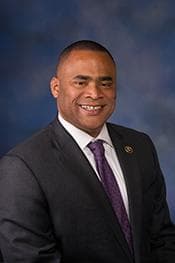
Marc A. Veasey
Democratic Representative
Texas
Cosponsors (1)
Energy and Commerce Committee
- Introduced
- In Committee
- On Floor
- Passed Chamber
- Enacted
Emergency Broadband Connections Act of 2020 This bill establishes an emergency broadband benefit for certain households during the emergency period related to COVID-19, and it modifies the Lifeline program of the Federal Communications Commission (FCC), which reduces the cost of communications services for low-income consumers. Specifically, the bill requires a broadband service provider to provide a low-income household, upon request, with broadband internet service at a price that is discounted in an amount equal to the emergency broadband benefit for such household. The emergency broadband benefit is a monthly discount that is applied to the normal rate for internet service. Further, the bill establishes the Emergency Broadband Connectivity Fund from which the FCC shall reimburse a provider in an amount equal to the emergency broadband benefit provided to a household. Providers that supply discounted connected devices (e.g., computers) to eligible households may also receive certain reimbursements from the fund. The bill requires service providers participating in the FCC's Lifeline program to provide an unlimited number of minutes and data during the emergency period. The bill also requires the FCC to make a grant to each state for connecting the state's Supplemental Nutrition Assistance Program (SNAP, formerly known as the food stamp program) database to the National Lifeline Eligibility Verifier, so that receipt of SNAP benefits is reflected in the Lifeline verifier. The verifier determines consumer eligibility for the Lifeline program, and receipt of SNAP benefits automatically qualifies a household for Lifeline service.
View Full TextSuggested Questions
Get AI-generated questions to help you understand this bill better
Timeline
Introduced in House
Referred to the House Committee on Energy and Commerce.
Science, Technology, Communications
Administrative law and regulatory proceduresCardiovascular and respiratory healthCongressional oversightEmergency medical services and trauma careFederal Communications Commission (FCC)Federal-Indian relationsFood assistance and reliefGovernment trust fundsInfectious and parasitic diseasesIntergovernmental relationsInternet and video servicesInternet, web applications, social mediaNutrition and dietState and local government operationsTelecommunication rates and fees
Emergency Broadband Connections Act of 2020
USA116th CongressHR-6881| House
| Updated: 5/14/2020
Emergency Broadband Connections Act of 2020 This bill establishes an emergency broadband benefit for certain households during the emergency period related to COVID-19, and it modifies the Lifeline program of the Federal Communications Commission (FCC), which reduces the cost of communications services for low-income consumers. Specifically, the bill requires a broadband service provider to provide a low-income household, upon request, with broadband internet service at a price that is discounted in an amount equal to the emergency broadband benefit for such household. The emergency broadband benefit is a monthly discount that is applied to the normal rate for internet service. Further, the bill establishes the Emergency Broadband Connectivity Fund from which the FCC shall reimburse a provider in an amount equal to the emergency broadband benefit provided to a household. Providers that supply discounted connected devices (e.g., computers) to eligible households may also receive certain reimbursements from the fund. The bill requires service providers participating in the FCC's Lifeline program to provide an unlimited number of minutes and data during the emergency period. The bill also requires the FCC to make a grant to each state for connecting the state's Supplemental Nutrition Assistance Program (SNAP, formerly known as the food stamp program) database to the National Lifeline Eligibility Verifier, so that receipt of SNAP benefits is reflected in the Lifeline verifier. The verifier determines consumer eligibility for the Lifeline program, and receipt of SNAP benefits automatically qualifies a household for Lifeline service.
View Full TextSuggested Questions
Get AI-generated questions to help you understand this bill better
Timeline
Introduced in House
Referred to the House Committee on Energy and Commerce.
Marc A. Veasey
Democratic Representative
Texas
Cosponsors (1)
Energy and Commerce Committee
Science, Technology, Communications
- Introduced
- In Committee
- On Floor
- Passed Chamber
- Enacted
Administrative law and regulatory proceduresCardiovascular and respiratory healthCongressional oversightEmergency medical services and trauma careFederal Communications Commission (FCC)Federal-Indian relationsFood assistance and reliefGovernment trust fundsInfectious and parasitic diseasesIntergovernmental relationsInternet and video servicesInternet, web applications, social mediaNutrition and dietState and local government operationsTelecommunication rates and fees