Small Business Comeback Act
USA116th CongressHR-7671| House
| Updated: 7/20/2020
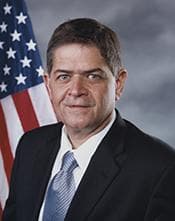
Filemon Vela
Democratic Representative
Texas
Financial Services Committee
- Introduced
- In Committee
- On Floor
- Passed Chamber
- Enacted
Small Business Comeback Act This bill establishes a recovery compensation program whereby the Department of the Treasury shall authorize specified payments to certain small businesses to support their recovery from the COVID-19 (i.e., coronavirus disease 2019) pandemic. Treasury must appoint a Special Administrator to oversee the recovery compensation program, and the administrator must develop an application form that is simple to file and audit that applicants shall use when seeking recovery compensation. The maximum amount of recovery compensation an applicant may receive shall be the lesser of their average payment for total monthly expenses or $50 million. Among other requirements, an eligible entity must (1) be in an impaired sector as defined by the administrator; (2) have significant operations in, and a majority of its employees based in, the United States; and (3) continue to pay salaries or wages to employees who tested positive for COVID-19 or were exposed to COVID-19 in the workplace. Allowable uses of recovery compensation include (1) payroll costs; (2) costs related to the continuation of group health care benefits; (3) insurance premiums; (4) paycheck protection loan and economic injury disaster loan repayment obligations; and (5) federal, state, and local tax obligations. The bill also establishes the Special Inspector General for COVID-19 Recovery Funds, who shall conduct, supervise, and coordinate audits and investigations of the payment of recovery compensation. The bill further establishes the Congressional Oversight Board, which shall oversee the implementation of the recovery compensation program.
View Full TextSuggested Questions
Get AI-generated questions to help you understand this bill better
Timeline
Introduced in House
Referred to the House Committee on Financial Services.
Commerce
Accounting and auditingAdministrative remediesBusiness expensesBusiness recordsCardiovascular and respiratory healthCivil actions and liabilityCongressional operations and organizationCongressional oversightDepartment of the TreasuryDisaster relief and insuranceEconomic performance and conditionsEmergency medical services and trauma careEmployee benefits and pensionsExecutive agency funding and structureFederal officialsGovernment information and archivesGovernment lending and loan guaranteesGovernment studies and investigationsHealth care costs and insuranceHealth care coverage and accessInfectious and parasitic diseasesMinority and disadvantaged businessesSmall businessWages and earningsWomen in businessWorker safety and health
Small Business Comeback Act
USA116th CongressHR-7671| House
| Updated: 7/20/2020
Small Business Comeback Act This bill establishes a recovery compensation program whereby the Department of the Treasury shall authorize specified payments to certain small businesses to support their recovery from the COVID-19 (i.e., coronavirus disease 2019) pandemic. Treasury must appoint a Special Administrator to oversee the recovery compensation program, and the administrator must develop an application form that is simple to file and audit that applicants shall use when seeking recovery compensation. The maximum amount of recovery compensation an applicant may receive shall be the lesser of their average payment for total monthly expenses or $50 million. Among other requirements, an eligible entity must (1) be in an impaired sector as defined by the administrator; (2) have significant operations in, and a majority of its employees based in, the United States; and (3) continue to pay salaries or wages to employees who tested positive for COVID-19 or were exposed to COVID-19 in the workplace. Allowable uses of recovery compensation include (1) payroll costs; (2) costs related to the continuation of group health care benefits; (3) insurance premiums; (4) paycheck protection loan and economic injury disaster loan repayment obligations; and (5) federal, state, and local tax obligations. The bill also establishes the Special Inspector General for COVID-19 Recovery Funds, who shall conduct, supervise, and coordinate audits and investigations of the payment of recovery compensation. The bill further establishes the Congressional Oversight Board, which shall oversee the implementation of the recovery compensation program.
View Full TextSuggested Questions
Get AI-generated questions to help you understand this bill better
Timeline
Introduced in House
Referred to the House Committee on Financial Services.
Filemon Vela
Democratic Representative
Texas
Financial Services Committee
Commerce
- Introduced
- In Committee
- On Floor
- Passed Chamber
- Enacted
Accounting and auditingAdministrative remediesBusiness expensesBusiness recordsCardiovascular and respiratory healthCivil actions and liabilityCongressional operations and organizationCongressional oversightDepartment of the TreasuryDisaster relief and insuranceEconomic performance and conditionsEmergency medical services and trauma careEmployee benefits and pensionsExecutive agency funding and structureFederal officialsGovernment information and archivesGovernment lending and loan guaranteesGovernment studies and investigationsHealth care costs and insuranceHealth care coverage and accessInfectious and parasitic diseasesMinority and disadvantaged businessesSmall businessWages and earningsWomen in businessWorker safety and health