Complete Streets Act of 2019
USA116th CongressS-2077| Senate
| Updated: 7/10/2019
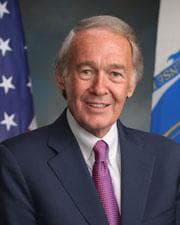
Edward J. Markey
Democratic Senator
Massachusetts
Cosponsors (2)
Environment and Public Works Committee
- Introduced
- In Committee
- On Floor
- Passed Chamber
- Enacted
Complete Streets Act of 2019 This bill directs each state to establish a competitive program to provide technical assistance and grants for the design and construction of complete streets to make transit routes safer and more accessible. Specifically, the bill directs the Department of Transportation (DOT) to establish benchmarks and guidance by which states can implement complete streets programs and eligible entities can carry out complete streets policies and principles; eligible entities seeking technical assistance or funds for a complete streets program to adopt policies using complete streets principles that are approved by the state or metropolitan planning organizations (MPOs) with jurisdiction over such entites; states and MPOs to certify that their complete street policies meet the minimum requirements set out by DOT; states to set aside 5% of their federal highway money to implement a complete streets program; and states and MPOs to adopt design standards for federal surface transportation projects that provide for the safe and adequate accommodation of all users of the surface transportation network, including motorized and non-motorized users, in all phases of project planning, development, and operation.
View Full TextSuggested Questions
Get AI-generated questions to help you understand this bill better
Timeline
Introduced in Senate
Read twice and referred to the Committee on Environment and Public Works.
Transportation and Public Works
Access BoardAdministrative law and regulatory proceduresAir qualityCommunity life and organizationCongressional oversightDisability and paralysisGovernment information and archivesPedestrians and bicyclingPerformance measurementPublic transitRegional and metropolitan planningRoads and highwaysState and local government operationsTransportation programs fundingTransportation safety and security
Complete Streets Act of 2019
USA116th CongressS-2077| Senate
| Updated: 7/10/2019
Complete Streets Act of 2019 This bill directs each state to establish a competitive program to provide technical assistance and grants for the design and construction of complete streets to make transit routes safer and more accessible. Specifically, the bill directs the Department of Transportation (DOT) to establish benchmarks and guidance by which states can implement complete streets programs and eligible entities can carry out complete streets policies and principles; eligible entities seeking technical assistance or funds for a complete streets program to adopt policies using complete streets principles that are approved by the state or metropolitan planning organizations (MPOs) with jurisdiction over such entites; states and MPOs to certify that their complete street policies meet the minimum requirements set out by DOT; states to set aside 5% of their federal highway money to implement a complete streets program; and states and MPOs to adopt design standards for federal surface transportation projects that provide for the safe and adequate accommodation of all users of the surface transportation network, including motorized and non-motorized users, in all phases of project planning, development, and operation.
View Full TextSuggested Questions
Get AI-generated questions to help you understand this bill better
Timeline
Introduced in Senate
Read twice and referred to the Committee on Environment and Public Works.
Edward J. Markey
Democratic Senator
Massachusetts
Cosponsors (2)
Environment and Public Works Committee
Transportation and Public Works
Related Bills
- Introduced
- In Committee
- On Floor
- Passed Chamber
- Enacted
Access BoardAdministrative law and regulatory proceduresAir qualityCommunity life and organizationCongressional oversightDisability and paralysisGovernment information and archivesPedestrians and bicyclingPerformance measurementPublic transitRegional and metropolitan planningRoads and highwaysState and local government operationsTransportation programs fundingTransportation safety and security