Classrooms Reflecting Communities Act of 2019
USA116th CongressS-2887| Senate
| Updated: 11/18/2019
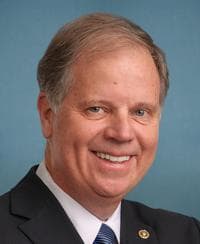
Doug Jones
Democratic Senator
Alabama
Health, Education, Labor, and Pensions Committee
- Introduced
- In Committee
- On Floor
- Passed Chamber
- Enacted
Classrooms Reflecting Communities Act of 2019 This bill directs the Department of Education to award grants to eligible partnerships to develop and run a Grow Your Own Program to recruit diverse teacher candidates from the community into the teaching profession and support them through high-quality preparation to full teacher certification or licensure. The program is particularly aimed at growing the educator workforce in rural communities. Such a program includes targeted recruitment efforts, including promotion of the teaching profession at high schools, minority-serving institutions, and community centers; creation of curriculum and coursework with principles of culturally responsive education woven throughout; mentorship and assistance with the teacher licensure and certification process, including test preparation; and direct financial assistance, including reduced tuition and in-kind financial support, such as childcare, especially for teachers being certified or licensed to teach in high-need fields or high-need communities. The bill requires a partnership, at the end of each grant year, to submit a report that includes (1) a description of activities undertaken; (2) graduation rates; (3) the percentage and total number of teacher candidates who have been certified or licensed to teach; (4) the three- and five-year teacher retention rate in the same school and local educational agency, within the profession, and in the subjects for which the teachers were trained; and (5) surveys of teachers and community members.
View Full TextSuggested Questions
Get AI-generated questions to help you understand this bill better
Timeline
Introduced in Senate
Read twice and referred to the Committee on Health, Education, Labor, and Pensions.
Education
Academic performance and assessmentsDisability and paralysisEducation programs fundingEmployment and training programsForeign language and bilingual programsHigher educationLicensing and registrationsMinority educationMinority employmentPerformance measurementRural conditions and developmentSpecial educationStudent aid and college costsTeaching, teachers, curricula
Classrooms Reflecting Communities Act of 2019
USA116th CongressS-2887| Senate
| Updated: 11/18/2019
Classrooms Reflecting Communities Act of 2019 This bill directs the Department of Education to award grants to eligible partnerships to develop and run a Grow Your Own Program to recruit diverse teacher candidates from the community into the teaching profession and support them through high-quality preparation to full teacher certification or licensure. The program is particularly aimed at growing the educator workforce in rural communities. Such a program includes targeted recruitment efforts, including promotion of the teaching profession at high schools, minority-serving institutions, and community centers; creation of curriculum and coursework with principles of culturally responsive education woven throughout; mentorship and assistance with the teacher licensure and certification process, including test preparation; and direct financial assistance, including reduced tuition and in-kind financial support, such as childcare, especially for teachers being certified or licensed to teach in high-need fields or high-need communities. The bill requires a partnership, at the end of each grant year, to submit a report that includes (1) a description of activities undertaken; (2) graduation rates; (3) the percentage and total number of teacher candidates who have been certified or licensed to teach; (4) the three- and five-year teacher retention rate in the same school and local educational agency, within the profession, and in the subjects for which the teachers were trained; and (5) surveys of teachers and community members.
View Full TextSuggested Questions
Get AI-generated questions to help you understand this bill better
Timeline
Introduced in Senate
Read twice and referred to the Committee on Health, Education, Labor, and Pensions.
Doug Jones
Democratic Senator
Alabama
Health, Education, Labor, and Pensions Committee
Education
- Introduced
- In Committee
- On Floor
- Passed Chamber
- Enacted
Academic performance and assessmentsDisability and paralysisEducation programs fundingEmployment and training programsForeign language and bilingual programsHigher educationLicensing and registrationsMinority educationMinority employmentPerformance measurementRural conditions and developmentSpecial educationStudent aid and college costsTeaching, teachers, curricula