A bill to amend the Internal Revenue Code of 1986 to permit amounts paid for programs to obtain a recognized postsecondary credential or a license to be treated as qualified higher education expenses for purposes of a 529 account.
USA116th CongressS-379| Senate
| Updated: 2/7/2019
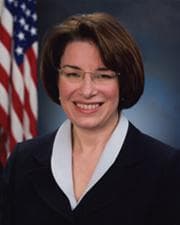
Amy Klobuchar
Democratic Senator
Minnesota
Cosponsors (4)
Finance Committee
- Introduced
- In Committee
- On Floor
- Passed Chamber
- Enacted
This bill allows tax-exempt distributions from qualified tuition programs (known as 529 plans) to be used for expenses required for programs to obtain a recognized postsecondary credential or occupational license. A "recognized postsecondary credential" is a credential consisting of an industry-recognized certificate or certification, a certificate of completion of an apprenticeship, a license recognized by the state involved or federal government, or an associate or baccalaureate degree.
View Full TextSuggested Questions
Get AI-generated questions to help you understand this bill better
Timeline
Bill from Previous Congress
S 115-1822A bill to amend the Internal Revenue Code of 1986 to permit amounts paid for programs to obtain a recognized postsecondary credential or a license to be treated as qualified higher education expenses for purposes of a 529 account.
Introduced in Senate
Read twice and referred to the Committee on Finance.
Taxation
Bank accounts, deposits, capitalEmployment and training programsHigher educationIncome tax deferralIncome tax exclusionLicensing and registrationsStudent aid and college costs
A bill to amend the Internal Revenue Code of 1986 to permit amounts paid for programs to obtain a recognized postsecondary credential or a license to be treated as qualified higher education expenses for purposes of a 529 account.
USA116th CongressS-379| Senate
| Updated: 2/7/2019
This bill allows tax-exempt distributions from qualified tuition programs (known as 529 plans) to be used for expenses required for programs to obtain a recognized postsecondary credential or occupational license. A "recognized postsecondary credential" is a credential consisting of an industry-recognized certificate or certification, a certificate of completion of an apprenticeship, a license recognized by the state involved or federal government, or an associate or baccalaureate degree.
View Full TextSuggested Questions
Get AI-generated questions to help you understand this bill better
Timeline
Bill from Previous Congress
S 115-1822A bill to amend the Internal Revenue Code of 1986 to permit amounts paid for programs to obtain a recognized postsecondary credential or a license to be treated as qualified higher education expenses for purposes of a 529 account.
Introduced in Senate
Read twice and referred to the Committee on Finance.
Amy Klobuchar
Democratic Senator
Minnesota
Cosponsors (4)
Finance Committee
Taxation
- Introduced
- In Committee
- On Floor
- Passed Chamber
- Enacted
Bank accounts, deposits, capitalEmployment and training programsHigher educationIncome tax deferralIncome tax exclusionLicensing and registrationsStudent aid and college costs