Coronavirus Relief Flexibility for Students and Institutions Act
USA116th CongressS-3947| Senate
| Updated: 6/11/2020
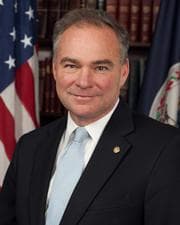
Tim Kaine
Democratic Senator
Virginia
Health, Education, Labor, and Pensions Committee
- Introduced
- In Committee
- On Floor
- Passed Chamber
- Enacted
Coronavirus Relief Flexibility for Students and Institutions Act This bill allows additional uses for higher education emergency relief funds and requires institutions of higher education (IHEs) to apply for such funds. Specifically, the bill permits IHEs to use emergency relief funds to defray expenses, including those related to lost revenue, incurred expenses, technology costs for distance education, faculty and staff training, and payroll. Currently, the use of such funds is limited to the delivery of instruction due to the coronavirus (i.e., the virus that causes COVID-19). Further, IHEs must apply to the Department of Education to receive such funds.
View Full TextSuggested Questions
Get AI-generated questions to help you understand this bill better
Timeline
Introduced in Senate
Read twice and referred to the Committee on Health, Education, Labor, and Pensions. (Sponsor introductory remarks on measure: CR S2935-2936)
Education
Cardiovascular and respiratory healthEducational technology and distance educationEducation programs fundingEmergency medical services and trauma careHigher educationInfectious and parasitic diseasesStudent aid and college costsTeaching, teachers, curriculaWages and earnings
Coronavirus Relief Flexibility for Students and Institutions Act
USA116th CongressS-3947| Senate
| Updated: 6/11/2020
Coronavirus Relief Flexibility for Students and Institutions Act This bill allows additional uses for higher education emergency relief funds and requires institutions of higher education (IHEs) to apply for such funds. Specifically, the bill permits IHEs to use emergency relief funds to defray expenses, including those related to lost revenue, incurred expenses, technology costs for distance education, faculty and staff training, and payroll. Currently, the use of such funds is limited to the delivery of instruction due to the coronavirus (i.e., the virus that causes COVID-19). Further, IHEs must apply to the Department of Education to receive such funds.
View Full TextSuggested Questions
Get AI-generated questions to help you understand this bill better
Timeline
Introduced in Senate
Read twice and referred to the Committee on Health, Education, Labor, and Pensions. (Sponsor introductory remarks on measure: CR S2935-2936)
Tim Kaine
Democratic Senator
Virginia
Health, Education, Labor, and Pensions Committee
Education
- Introduced
- In Committee
- On Floor
- Passed Chamber
- Enacted
Cardiovascular and respiratory healthEducational technology and distance educationEducation programs fundingEmergency medical services and trauma careHigher educationInfectious and parasitic diseasesStudent aid and college costsTeaching, teachers, curriculaWages and earnings