Affordable Coronavirus Testing Act
USA116th CongressS-4198| Senate
| Updated: 7/2/2020
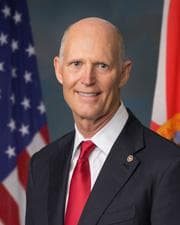
Rick Scott
Republican Senator
Florida
Cosponsors (2)
Health, Education, Labor, and Pensions Committee
- Introduced
- In Committee
- On Floor
- Passed Chamber
- Enacted
Affordable Coronavirus Testing Act This bill requires health insurance plans to cover through 2021 without cost sharing COVID-19 (i.e., coronavirus disease 2019) serology testing, which looks for the presence of antibodies made in response to an infection. This coverage requirement also applies to federal health care programs including Medicare, Medicaid, the Children's Health Insurance Program, veterans and military personnel health benefits, and federal employee health benefits. Additionally, the bill requires the Department of Health and Human Services to reimburse, through the Public Health and Social Services Emergency Fund, health care providers for the cost of providing diagnosis and treatment for COVID-19 to individuals without health insurance.
View Full TextSuggested Questions
Get AI-generated questions to help you understand this bill better
Timeline
Introduced in Senate
Read twice and referred to the Committee on Health, Education, Labor, and Pensions.
Health
Advisory bodiesBlood and blood diseasesCardiovascular and respiratory healthChild healthCongressional oversightEmergency medical services and trauma careEmployee benefits and pensionsGovernment employee pay, benefits, personnel managementHealth care costs and insuranceHealth care coverage and accessHealth information and medical recordsHealth programs administration and fundingImmunology and vaccinationInfectious and parasitic diseasesMedicaidMedical tests and diagnostic methodsMedicareMilitary medicinePublic contracts and procurementVeterans' medical care
Affordable Coronavirus Testing Act
USA116th CongressS-4198| Senate
| Updated: 7/2/2020
Affordable Coronavirus Testing Act This bill requires health insurance plans to cover through 2021 without cost sharing COVID-19 (i.e., coronavirus disease 2019) serology testing, which looks for the presence of antibodies made in response to an infection. This coverage requirement also applies to federal health care programs including Medicare, Medicaid, the Children's Health Insurance Program, veterans and military personnel health benefits, and federal employee health benefits. Additionally, the bill requires the Department of Health and Human Services to reimburse, through the Public Health and Social Services Emergency Fund, health care providers for the cost of providing diagnosis and treatment for COVID-19 to individuals without health insurance.
View Full TextSuggested Questions
Get AI-generated questions to help you understand this bill better
Timeline
Introduced in Senate
Read twice and referred to the Committee on Health, Education, Labor, and Pensions.
Rick Scott
Republican Senator
Florida
Cosponsors (2)
Health, Education, Labor, and Pensions Committee
Health
- Introduced
- In Committee
- On Floor
- Passed Chamber
- Enacted
Advisory bodiesBlood and blood diseasesCardiovascular and respiratory healthChild healthCongressional oversightEmergency medical services and trauma careEmployee benefits and pensionsGovernment employee pay, benefits, personnel managementHealth care costs and insuranceHealth care coverage and accessHealth information and medical recordsHealth programs administration and fundingImmunology and vaccinationInfectious and parasitic diseasesMedicaidMedical tests and diagnostic methodsMedicareMilitary medicinePublic contracts and procurementVeterans' medical care