Get Toxic Substances Out of Schools Act of 2020
USA116th CongressS-4277| Senate
| Updated: 7/22/2020
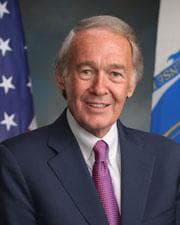
Edward J. Markey
Democratic Senator
Massachusetts
Environment and Public Works Committee
- Introduced
- In Committee
- On Floor
- Passed Chamber
- Enacted
Get Toxic Substances Out of Schools Act of 2020 This bill reauthorizes and modifies the program of Environmental Protection Agency (EPA) grants to states for the provision of assistance, development of programs, monitoring, and remediation related to environmental hazards (e.g., hazardous substances) in school facilities. The bill requires the EPA to perform outreach activities to provide information to states about (1) the exposure of children to environmental hazards in school facilities; (2) regulations and guidelines applicable to environmental hazards in school facilities; and (3) other materials to assist in addressing environmental problems, contaminants, hazardous substances, and pollutant emissions. Additionally, the EPA must annually convene school stakeholders (e.g., parents) to discuss topics related to the environmental health of children at school and the prevention, identification, and remediation of contaminants in school buildings and grounds. The bill adds polychlorinated biphenyls (PCBs) to the list of emitted substances that the EPA must account for when issuing voluntary guidelines to states for the purpose of their environmental health programs. Such guidelines must also (1) provide technical assistance for the removal, remediation, and disposal of PCBs and other hazardous substances; and (2) collect an inventory of schools affected by PCBs and other hazardous substances. To the maximum extent possible, the EPA must make publicly available (1) information on the exposure of children to environmental hazards in school facilities, and (2) an inventory of schools in which PCBs have been found in light ballasts or other media.
View Full TextSuggested Questions
Get AI-generated questions to help you understand this bill better
Timeline
Introduced in Senate
Read twice and referred to the Committee on Environment and Public Works.
Environmental Protection
Air qualityBuilding constructionChild healthCongressional oversightEducational facilities and institutionsEducation programs fundingElementary and secondary educationEnvironmental assessment, monitoring, researchEnvironmental healthEnvironmental regulatory proceduresGovernment information and archivesHazardous wastes and toxic substancesLighting, heating, coolingState and local government operations
Get Toxic Substances Out of Schools Act of 2020
USA116th CongressS-4277| Senate
| Updated: 7/22/2020
Get Toxic Substances Out of Schools Act of 2020 This bill reauthorizes and modifies the program of Environmental Protection Agency (EPA) grants to states for the provision of assistance, development of programs, monitoring, and remediation related to environmental hazards (e.g., hazardous substances) in school facilities. The bill requires the EPA to perform outreach activities to provide information to states about (1) the exposure of children to environmental hazards in school facilities; (2) regulations and guidelines applicable to environmental hazards in school facilities; and (3) other materials to assist in addressing environmental problems, contaminants, hazardous substances, and pollutant emissions. Additionally, the EPA must annually convene school stakeholders (e.g., parents) to discuss topics related to the environmental health of children at school and the prevention, identification, and remediation of contaminants in school buildings and grounds. The bill adds polychlorinated biphenyls (PCBs) to the list of emitted substances that the EPA must account for when issuing voluntary guidelines to states for the purpose of their environmental health programs. Such guidelines must also (1) provide technical assistance for the removal, remediation, and disposal of PCBs and other hazardous substances; and (2) collect an inventory of schools affected by PCBs and other hazardous substances. To the maximum extent possible, the EPA must make publicly available (1) information on the exposure of children to environmental hazards in school facilities, and (2) an inventory of schools in which PCBs have been found in light ballasts or other media.
View Full TextSuggested Questions
Get AI-generated questions to help you understand this bill better
Timeline
Introduced in Senate
Read twice and referred to the Committee on Environment and Public Works.
Edward J. Markey
Democratic Senator
Massachusetts
Environment and Public Works Committee
Environmental Protection
- Introduced
- In Committee
- On Floor
- Passed Chamber
- Enacted
Air qualityBuilding constructionChild healthCongressional oversightEducational facilities and institutionsEducation programs fundingElementary and secondary educationEnvironmental assessment, monitoring, researchEnvironmental healthEnvironmental regulatory proceduresGovernment information and archivesHazardous wastes and toxic substancesLighting, heating, coolingState and local government operations