A bill to amend the Internal Revenue Code of 1986 to establish COVID Recovery Bonds, and for other purposes.
USA116th CongressS-4754| Senate
| Updated: 9/29/2020
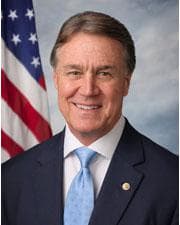
David Perdue
Republican Senator
Georgia
Cosponsors (1)
Finance Committee
- Introduced
- In Committee
- On Floor
- Passed Chamber
- Enacted
This bill establishes a program of COVID Recovery Bonds which are treated as exempt facility bonds for tax purposes. It also provides for tax-exempt financing of qualified government buildings. The bill defines qualified government buildings to include (1) an elementary or secondary school, (2) a facility of a state college or university used for educational purposes, (3) a library open to the general public, (4) a court of law, (5) a hospital or health care facility, (6) a laboratory or research facility, and (7) a public safety facility.
View Full TextSuggested Questions
Get AI-generated questions to help you understand this bill better
Timeline
Introduced in Senate
Read twice and referred to the Committee on Finance.
Taxation
Building constructionEducational facilities and institutionsElectric power generation and transmissionElementary and secondary educationEmergency medical services and trauma careEnergy storage, supplies, demandFirst responders and emergency personnelGovernment buildings, facilities, and propertyHealth facilities and institutionsHigher educationIncome tax exclusionInterest, dividends, interest ratesJudicial procedure and administrationLibraries and archivesOil and gasSecuritiesState and local finance
A bill to amend the Internal Revenue Code of 1986 to establish COVID Recovery Bonds, and for other purposes.
USA116th CongressS-4754| Senate
| Updated: 9/29/2020
This bill establishes a program of COVID Recovery Bonds which are treated as exempt facility bonds for tax purposes. It also provides for tax-exempt financing of qualified government buildings. The bill defines qualified government buildings to include (1) an elementary or secondary school, (2) a facility of a state college or university used for educational purposes, (3) a library open to the general public, (4) a court of law, (5) a hospital or health care facility, (6) a laboratory or research facility, and (7) a public safety facility.
View Full TextSuggested Questions
Get AI-generated questions to help you understand this bill better
Timeline
Introduced in Senate
Read twice and referred to the Committee on Finance.
David Perdue
Republican Senator
Georgia
Cosponsors (1)
Finance Committee
Taxation
- Introduced
- In Committee
- On Floor
- Passed Chamber
- Enacted
Building constructionEducational facilities and institutionsElectric power generation and transmissionElementary and secondary educationEmergency medical services and trauma careEnergy storage, supplies, demandFirst responders and emergency personnelGovernment buildings, facilities, and propertyHealth facilities and institutionsHigher educationIncome tax exclusionInterest, dividends, interest ratesJudicial procedure and administrationLibraries and archivesOil and gasSecuritiesState and local finance