APP Act
USA116th CongressS-4869| Senate
| Updated: 10/26/2020
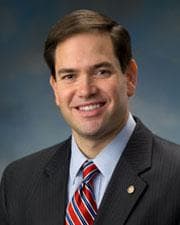
Marco Rubio
Republican Senator
Florida
Commerce, Science, and Transportation Committee
- Introduced
- In Committee
- On Floor
- Passed Chamber
- Enacted
Adversarial Platform Prevention Act of 2020 or the APP Act This bill establishes requirements for owners and operators of certain software (e.g., TikTok) from specified countries who make their software available to consumers in the United States. Specifically, before making such software available for download, the software must provide users with a warning that includes the name of the owner and the owner's country of principal operation. Further, owners of such software must annually disclose to the Federal Trade Commission and the Department of Justice certain information about the consumer data of U.S. users, including any data protection measures in place and any internal content moderation practices. Such owners may not collect or store data from U.S. users if they comply with any requests from specified foreign governments to disclose consumer data about U.S. users or any requests from such governments to censor U.S. users. The protections from liability for third-party publishers of content are not applicable to owners of foreign software who are subject to the requirements of this bill. Such software owners in violation of these requirements are subject to civil penalties enforced by the Federal Trade Commission and may be subject to criminal penalties for intentional violations.
View Full TextSuggested Questions
Get AI-generated questions to help you understand this bill better
Timeline
Introduced in Senate
Read twice and referred to the Committee on Commerce, Science, and Transportation.
Commerce
AfricaAsiaBusiness recordsCaribbean areaChinaCivil actions and liabilityComputers and information technologyComputer security and identity theftCongressional oversightConsumer affairsCriminal investigation, prosecution, interrogationCubaEvidence and witnessesFederal preemptionForeign and international corporationsFraud offenses and financial crimesGovernment information and archivesIntelligence activities, surveillance, classified informationInternet and video servicesInternet, web applications, social mediaIranLatin AmericaMiddle EastNorth KoreaRight of privacyRussiaState and local government operationsSudanSyriaTelephone and wireless communicationTerrorismVenezuela
APP Act
USA116th CongressS-4869| Senate
| Updated: 10/26/2020
Adversarial Platform Prevention Act of 2020 or the APP Act This bill establishes requirements for owners and operators of certain software (e.g., TikTok) from specified countries who make their software available to consumers in the United States. Specifically, before making such software available for download, the software must provide users with a warning that includes the name of the owner and the owner's country of principal operation. Further, owners of such software must annually disclose to the Federal Trade Commission and the Department of Justice certain information about the consumer data of U.S. users, including any data protection measures in place and any internal content moderation practices. Such owners may not collect or store data from U.S. users if they comply with any requests from specified foreign governments to disclose consumer data about U.S. users or any requests from such governments to censor U.S. users. The protections from liability for third-party publishers of content are not applicable to owners of foreign software who are subject to the requirements of this bill. Such software owners in violation of these requirements are subject to civil penalties enforced by the Federal Trade Commission and may be subject to criminal penalties for intentional violations.
View Full TextSuggested Questions
Get AI-generated questions to help you understand this bill better
Timeline
Introduced in Senate
Read twice and referred to the Committee on Commerce, Science, and Transportation.
Marco Rubio
Republican Senator
Florida
Commerce, Science, and Transportation Committee
Commerce
- Introduced
- In Committee
- On Floor
- Passed Chamber
- Enacted
AfricaAsiaBusiness recordsCaribbean areaChinaCivil actions and liabilityComputers and information technologyComputer security and identity theftCongressional oversightConsumer affairsCriminal investigation, prosecution, interrogationCubaEvidence and witnessesFederal preemptionForeign and international corporationsFraud offenses and financial crimesGovernment information and archivesIntelligence activities, surveillance, classified informationInternet and video servicesInternet, web applications, social mediaIranLatin AmericaMiddle EastNorth KoreaRight of privacyRussiaState and local government operationsSudanSyriaTelephone and wireless communicationTerrorismVenezuela