SAFE Act of 2019
USA116th CongressS-627| Senate
| Updated: 2/28/2019
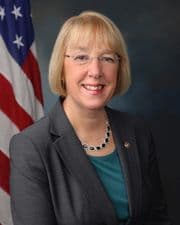
Patty Murray
Democratic Senator
Washington
Cosponsors (16)
Mazie K. Hirono (Democratic)Dianne Feinstein (Democratic)Patrick J. Leahy (Democratic)Charles E. Schumer (Democratic)Kirsten E. Gillibrand (Democratic)Elizabeth Warren (Democratic)Kamala D. Harris (Democratic)Amy Klobuchar (Democratic)Robert P. Casey (Democratic)Sherrod Brown (Democratic)Bernard Sanders (Independent)Tammy Baldwin (Democratic)Benjamin L. Cardin (Democratic)Robert Menendez (Democratic)Gary C. Peters (Democratic)Richard Blumenthal (Democratic)
Health, Education, Labor, and Pensions Committee
- Introduced
- In Committee
- On Floor
- Passed Chamber
- Enacted
Security And Financial Empowerment Act of 2019 or the SAFE Act of 2019 This bill sets forth various provisions to promote the safety and security of survivors of domestic violence, dating violence, sexual assault, and stalking. Among other things, the bill requires employers to provide up to 30 days of safe leave in a 12-month period for employees to seek medical attention, obtain certain services and counseling, participate in safety planning, and take legal action; and prohibits states from imposing additional restrictions on eligibility for unemployment compensation.
View Full TextSuggested Questions
Get AI-generated questions to help you understand this bill better
Timeline
Introduced in Senate
Read twice and referred to the Committee on Health, Education, Labor, and Pensions.
Crime and Law Enforcement
Assault and harassment offensesCivil actions and liabilityCongressional agenciesCongressional oversightCrime preventionCrimes against womenCrime victimsCriminal investigation, prosecution, interrogationDomestic violence and child abuseEmployee benefits and pensionsEmployee hiringEmployee leaveEmployment discrimination and employee rightsEvidence and witnessesFinancial literacyGovernment employee pay, benefits, personnel managementGovernment information and archivesGovernment studies and investigationsHealth care costs and insuranceHealth programs administration and fundingHealth promotion and preventive careIndian social and development programsInsurance industry and regulationLabor standardsLibrary of CongressLife, casualty, property insurancePoverty and welfare assistanceSex offensesUnemploymentWages and earningsWomen's employmentWorker safety and health
SAFE Act of 2019
USA116th CongressS-627| Senate
| Updated: 2/28/2019
Security And Financial Empowerment Act of 2019 or the SAFE Act of 2019 This bill sets forth various provisions to promote the safety and security of survivors of domestic violence, dating violence, sexual assault, and stalking. Among other things, the bill requires employers to provide up to 30 days of safe leave in a 12-month period for employees to seek medical attention, obtain certain services and counseling, participate in safety planning, and take legal action; and prohibits states from imposing additional restrictions on eligibility for unemployment compensation.
View Full TextSuggested Questions
Get AI-generated questions to help you understand this bill better
Timeline
Introduced in Senate
Read twice and referred to the Committee on Health, Education, Labor, and Pensions.
Patty Murray
Democratic Senator
Washington
Cosponsors (16)
Mazie K. Hirono (Democratic)Dianne Feinstein (Democratic)Patrick J. Leahy (Democratic)Charles E. Schumer (Democratic)Kirsten E. Gillibrand (Democratic)Elizabeth Warren (Democratic)Kamala D. Harris (Democratic)Amy Klobuchar (Democratic)Robert P. Casey (Democratic)Sherrod Brown (Democratic)Bernard Sanders (Independent)Tammy Baldwin (Democratic)Benjamin L. Cardin (Democratic)Robert Menendez (Democratic)Gary C. Peters (Democratic)Richard Blumenthal (Democratic)
Health, Education, Labor, and Pensions Committee
Crime and Law Enforcement
Related Bills
- Introduced
- In Committee
- On Floor
- Passed Chamber
- Enacted
Assault and harassment offensesCivil actions and liabilityCongressional agenciesCongressional oversightCrime preventionCrimes against womenCrime victimsCriminal investigation, prosecution, interrogationDomestic violence and child abuseEmployee benefits and pensionsEmployee hiringEmployee leaveEmployment discrimination and employee rightsEvidence and witnessesFinancial literacyGovernment employee pay, benefits, personnel managementGovernment information and archivesGovernment studies and investigationsHealth care costs and insuranceHealth programs administration and fundingHealth promotion and preventive careIndian social and development programsInsurance industry and regulationLabor standardsLibrary of CongressLife, casualty, property insurancePoverty and welfare assistanceSex offensesUnemploymentWages and earningsWomen's employmentWorker safety and health