A resolution recognizing the forthcoming centennial of the 1921 Tulsa Race Massacre.
USA116th CongressSRES-647| Senate
| Updated: 7/2/2020
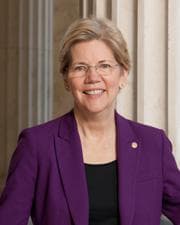
Elizabeth Warren
Democratic Senator
Massachusetts
Cosponsors (21)
Tammy Duckworth (Democratic)Dianne Feinstein (Democratic)Richard J. Durbin (Democratic)Edward J. Markey (Democratic)Kirsten E. Gillibrand (Democratic)Christopher A. Coons (Democratic)Kamala D. Harris (Democratic)Mark R. Warner (Democratic)Amy Klobuchar (Democratic)Robert P. Casey (Democratic)Tim Kaine (Democratic)Sheldon Whitehouse (Democratic)Chris Van Hollen (Democratic)Patty Murray (Democratic)Tina Smith (Democratic)Sherrod Brown (Democratic)Bernard Sanders (Independent)Tammy Baldwin (Democratic)Cory A. Booker (Democratic)Robert Menendez (Democratic)Richard Blumenthal (Democratic)
Judiciary Committee
- Introduced
- In Committee
- On Floor
- Passed Chamber
- Enacted
This resolution recognizes the forthcoming centennial of the Tulsa Race Massacre of 1921. The resolution, among other things acknowledges the historical significance of this event as one of the largest single instances of state-sanctioned violence against black people in American history; honors the lives and legacies of the estimated 300 black individuals who were killed during the massacre and the nearly 9,000 who were left homeless and penniless; condemns efforts to cover up the truth and shield the white community, especially government officials, from accountability; condemns the continued legacy of racism and white supremacy against black people in the United States, particularly in the form of police brutality; encourages education about the massacre, the history of white supremacy that fueled the massacre, and subsequent attempts to deny or cover up the massacre, in all elementary and secondary education settings and in institutions of higher education; and recognizes the commitment of Congress to acknowledge and learn from the history of racism and racial violence to reverse the legacy of white supremacy and fight for racial justice.
View Full TextSuggested Questions
Get AI-generated questions to help you understand this bill better
Timeline
Introduced in Senate
Referred to the Committee on the Judiciary. (text: CR S4231)
Civil Rights and Liberties, Minority Issues
Civil disturbancesCommemorative events and holidaysCongressional tributesCrimes against propertyCrime victimsElementary and secondary educationFiresGovernment liabilityHigher educationLaw enforcement administration and fundingLaw enforcement officersOklahomaRacial and ethnic relationsState and local government operationsU.S. historyViolent crime
A resolution recognizing the forthcoming centennial of the 1921 Tulsa Race Massacre.
USA116th CongressSRES-647| Senate
| Updated: 7/2/2020
This resolution recognizes the forthcoming centennial of the Tulsa Race Massacre of 1921. The resolution, among other things acknowledges the historical significance of this event as one of the largest single instances of state-sanctioned violence against black people in American history; honors the lives and legacies of the estimated 300 black individuals who were killed during the massacre and the nearly 9,000 who were left homeless and penniless; condemns efforts to cover up the truth and shield the white community, especially government officials, from accountability; condemns the continued legacy of racism and white supremacy against black people in the United States, particularly in the form of police brutality; encourages education about the massacre, the history of white supremacy that fueled the massacre, and subsequent attempts to deny or cover up the massacre, in all elementary and secondary education settings and in institutions of higher education; and recognizes the commitment of Congress to acknowledge and learn from the history of racism and racial violence to reverse the legacy of white supremacy and fight for racial justice.
View Full TextSuggested Questions
Get AI-generated questions to help you understand this bill better
Timeline
Introduced in Senate
Referred to the Committee on the Judiciary. (text: CR S4231)
Elizabeth Warren
Democratic Senator
Massachusetts
Cosponsors (21)
Tammy Duckworth (Democratic)Dianne Feinstein (Democratic)Richard J. Durbin (Democratic)Edward J. Markey (Democratic)Kirsten E. Gillibrand (Democratic)Christopher A. Coons (Democratic)Kamala D. Harris (Democratic)Mark R. Warner (Democratic)Amy Klobuchar (Democratic)Robert P. Casey (Democratic)Tim Kaine (Democratic)Sheldon Whitehouse (Democratic)Chris Van Hollen (Democratic)Patty Murray (Democratic)Tina Smith (Democratic)Sherrod Brown (Democratic)Bernard Sanders (Independent)Tammy Baldwin (Democratic)Cory A. Booker (Democratic)Robert Menendez (Democratic)Richard Blumenthal (Democratic)
Judiciary Committee
Civil Rights and Liberties, Minority Issues
- Introduced
- In Committee
- On Floor
- Passed Chamber
- Enacted
Civil disturbancesCommemorative events and holidaysCongressional tributesCrimes against propertyCrime victimsElementary and secondary educationFiresGovernment liabilityHigher educationLaw enforcement administration and fundingLaw enforcement officersOklahomaRacial and ethnic relationsState and local government operationsU.S. historyViolent crime